
Mentorship has long been a quiet force behind many successful careers. Across industries, women leaders are increasingly recognising that lifting others is not merely an act of generosity, but a powerful multiplier of success. In this conversation, four professionals reflect on why mentorship matters, how it expands opportunities for women, and the role both women and men play in building stronger, more inclusive networks of support.
Successful women spend time lifting others up. Do you see this happening in your field?

Sushama Sharma, Founder and CEO, Phool Prasad; Managing Director Himalayan Tranquility
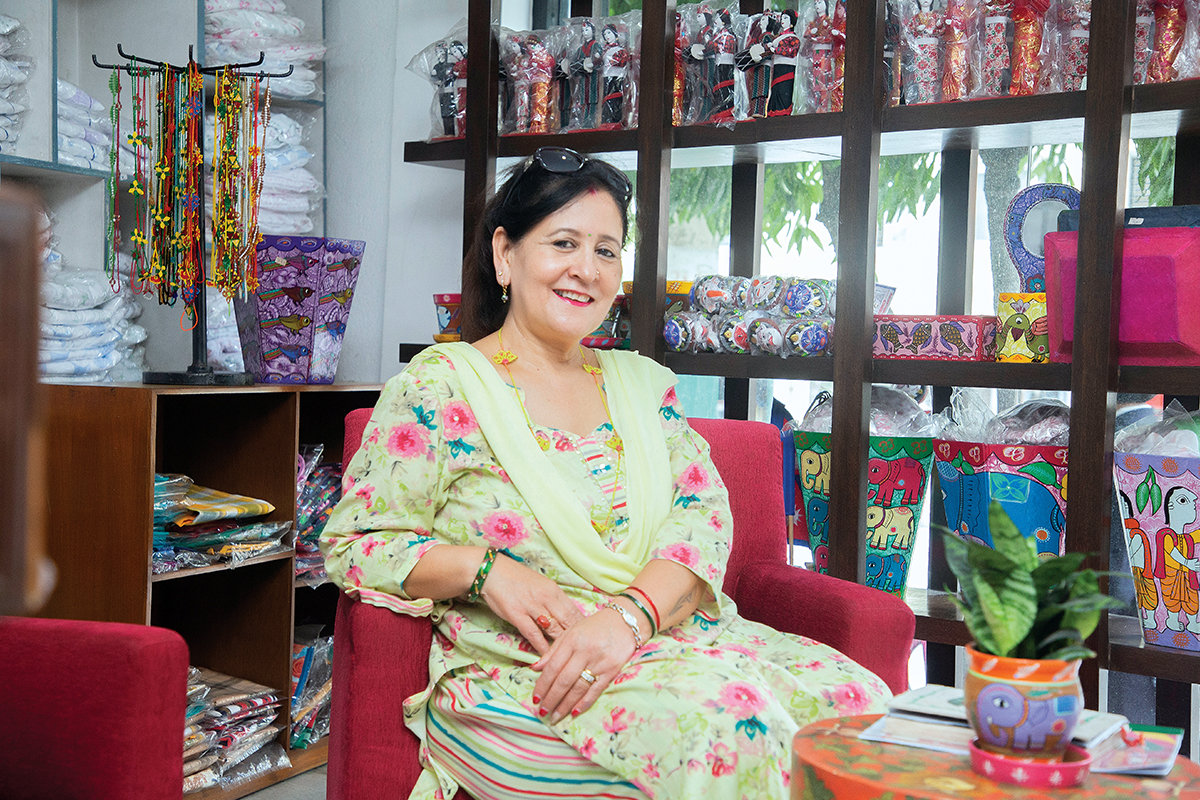
Sushama: As a first-generation entrepreneur, I began my journey after retiring from a long career in banking, where I led retail and institutional divisions and gained experience across sales, marketing, IT, and teaching. Today, I run two growing ventures while mentoring several organisations. Phool Prasad produces incense sticks from floral waste, while Himalayan Tranquility focuses on premium teas.
Having navigated the entrepreneurial journey from product development to international distribution has given me the insight to mentor effectively. In my experience, women are actively supporting one another, both within organisations and beyond.
Mentorship often begins at home, where women guide families and influence communities. When women share knowledge and support each other, the impact multiplies, strengthening both businesses and communities.

Amrit Thapa, Content Creator, Misguided Nepal
Amrit: Yes, I do see this happening. When we analysed viewer data for Misguided Nepal, we found that only about 10% of our audience were women. This prompted us to reflect on both our content and team composition, where we realised women were underrepresented. A turning point came when one of our researchers suggested covering Sushila Karki before she gained wider national recognition. That perspective helped us identify gaps we had overlooked. Following that, we saw a noticeable increase in women viewership, along with greater participation from women contributors.
At the same time, most of our team is based in Kathmandu, which highlights another gap. I would like to see more voices from outside the capital, especially women’s voices, to make the platform more inclusive.
Anu: Very strongly. In our work with nature-based solutions cohorts, we are intentionally focusing on women entrepreneurs through structured mentorship. By partnering with organisations such as IEDI, Byapar Briddhi Bikalpa, and KGS, we are building an ecosystem where women support other women.
Within this space, I have seen women creating opportunities for others, particularly those from disadvantaged communities. Initiatives like Herveda Comms promote women-owned businesses, while enterprises such as Khoria Co. and Deego Nepal support rural women through sustainable livelihoods.
Dileep: Women’s representation and mutual support are particularly important in STEM fields, which have historically been male-dominated. Visibility matters. When women are recognised in leadership and technical roles, they help shape more inclusive workplace cultures.
In our company, women lead four out of five major functions, including data, marketing, HR, and sales. This not only reflects capability but also creates an environment where more women feel encouraged to participate, grow, and support one another.
Why is mentorship especially important for women’s success?
Sushama: Mentorship is crucial because access to guidance and opportunity can significantly influence success. In Nepal, even strong products often lack the branding, networks, and strategic direction needed to scale. Mentorship helps bridge that gap by offering insight, connections, and confidence.
Amrit: Visible examples matter. I grew up watching my mother as the breadwinner of our family, which shaped how I understand gender roles. When she learned to ride a scooter for work, it encouraged many of her colleagues to do the same.
This was not formal mentoring, but it created a ripple effect. When one woman takes the lead, others often follow.
Anu: Women often face structural barriers such as limited access to finance, networks, and decision-making spaces. Mentorship helps bridge these gaps by building confidence, skills, and visibility. It also creates safe spaces for women to share challenges and solutions. Beyond business, mentorship fosters agency, solidarity, and the ability to influence systems and markets.
Dileep: Women do not always start with equal access to networks or visibility. Mentorship creates pathways that accelerate learning and opportunity. It builds confidence, strengthens connections, and fosters a sense of belonging.
Does mentoring others also help the mentor succeed?
Sushama: Absolutely. Mentorship is a mutually beneficial relationship. Younger generations bring fresh ideas and new perspectives. For instance, at Phool Prasad, engaging with younger people led to new product applications such as sustainable wedding use.
Amrit: Yes, mentoring is a two-way exchange. Mentees often bring perspectives that challenge conventional thinking and introduce new ways of approaching problems.

Anu Joshi Shrestha, Enterprise and Value Chain Development Specialist and Country Focal, Nepal, ICIMOD
Anu: Mentoring deepens understanding and encourages self-reflection. It exposes mentors to innovation while allowing them to revisit and refine their own journeys. Ultimately, it builds a culture of collaboration and shared growth.
Dileep: Mentoring improves clarity, communication, and accountability. It also strengthens networks built on trust and respect. Helping others grow often reinforces your own growth.
What role can men play in supporting mentorship for women?
Sushama: Men can create inclusive environments and advocate for opportunities while also respecting the importance of women-led spaces.
Amrit: Men can help by creating equal opportunities and opening access to networks that have traditionally been male-dominated. Inclusion must be intentional.
Anu: Men play a crucial role as allies by supporting inclusive policies and promoting women’s leadership. When both work together, progress becomes more sustainable.

Dileep Dhakal, Founder and CEO, Vee
Dileep: Men often have access to influential networks. Using that access to advocate for women, recommend them for opportunities, and ensure fair recognition can make a meaningful difference.
What challenges do women face when supporting others?
Sushama: Challenges often stem from social context, including confidence, family support, and societal expectations.
Women mentors must navigate these while empowering others.
Amrit: Social norms can limit women’s visibility. Everyday behaviours, even within households, reinforce expectations that women remain in the background.
Anu: Time constraints and unpaid care responsibilities are major barriers. Limited mobility, access to networks, and lack of recognition also restrict women’s ability to mentor. Systemic support is essential.
Dileep: Time, energy, and lack of recognition are key challenges. In some environments, limited opportunities can also create competition, making collaboration more difficult.