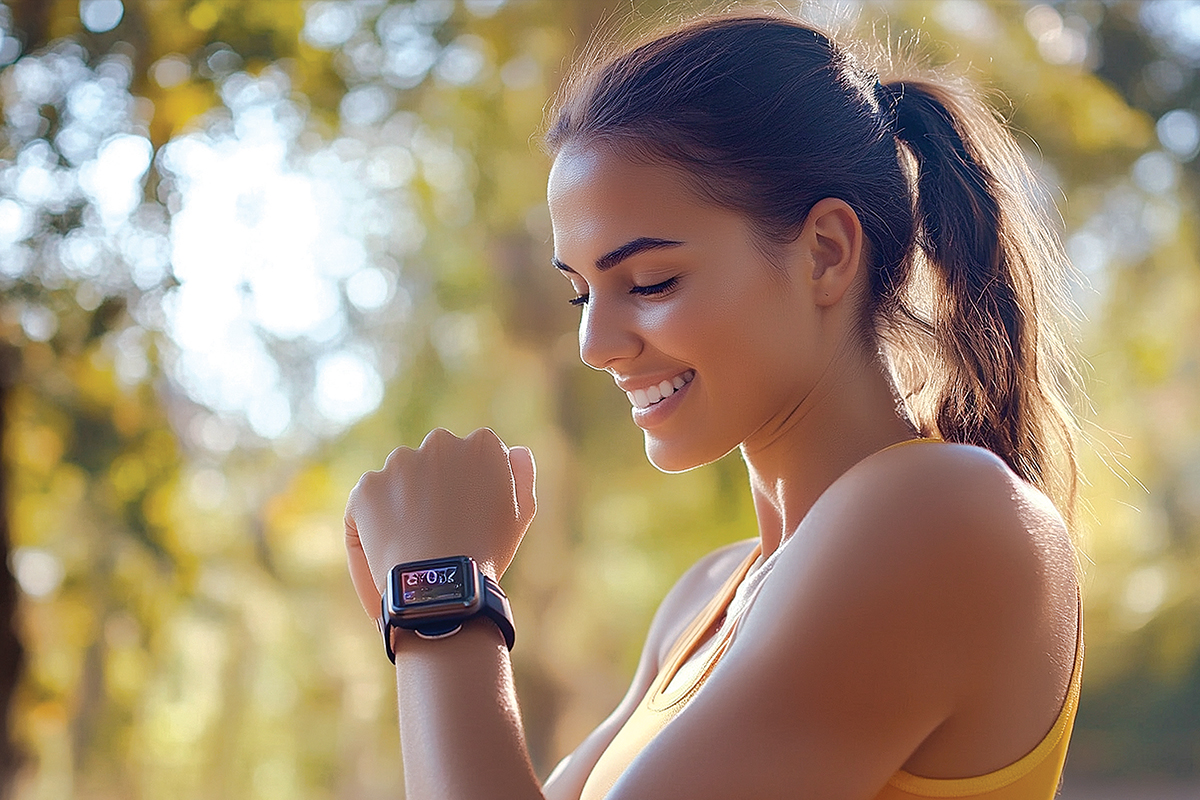

It’s hot, it raining, it’s humid and some of us find it hard to cope with the weather. But struggling unnecessarily with the discomfort or choosing to stay in a temperature-controlled environment is not the answer. Some of us also struggle to stick with our exercise regime, and some even choose to quit exercise completely as they are unable to adjust to strong weather conditions. Please know that what doesn’t kill you only makes you stronger. Just allowing yourself to adapt to challenges will change how you feel. It’s really about mindset unless you have a valid health condition.
This summer, with a few tweaks, you can actually enjoy the changing weather, feel right and do all the things you normally do, especially exercise. Here are a few tips:
#1. Wear comfortable, light clothing in natural and breathable fabric. Pay attention to your footwear as well. During exercise wear light weight clothing that is loose and will allow air circulation over your skin.
#2. Stay hydrated. It’s important to drink sufficient water during this weather as you are perspiring and your body tends to heat up. More so when exercising in hot and humid weather conditions where your body temperature increases and your body’s natural cooling system starts to struggle when exposed to soaring temperatures over an increased period of time. But don’t overdo it as there is also something called over-hydration which can lead to low sodium. General guideline is to drink water during and after exercise or intense physical activity, and at other times to drink when you are thirsty.
#3. Ease up when your body tells you to. If you are not able to exercise at the intensity you are used to, listen to your body and slow your pace. As your body adapts to the heat, you can increase the pace and length of your workout. Stop your workout if you are feeling weak, light headed, have a headache, muscle cramps, rapid heartbeat, nausea and vomiting, and/or dizziness.
# 4. Avoid sports drinks as they are high on calories and not necessary for low and moderate exercise routines. Sports drinks should be considered only if you are exercising for a long duration and high intensity. Eating adequate fruits and vegetables should provide your body with the necessary electrolytes. Light muscle cramping is more often a sign of dehydration rather than electrolyte loss. Monitor your urine output and colour.
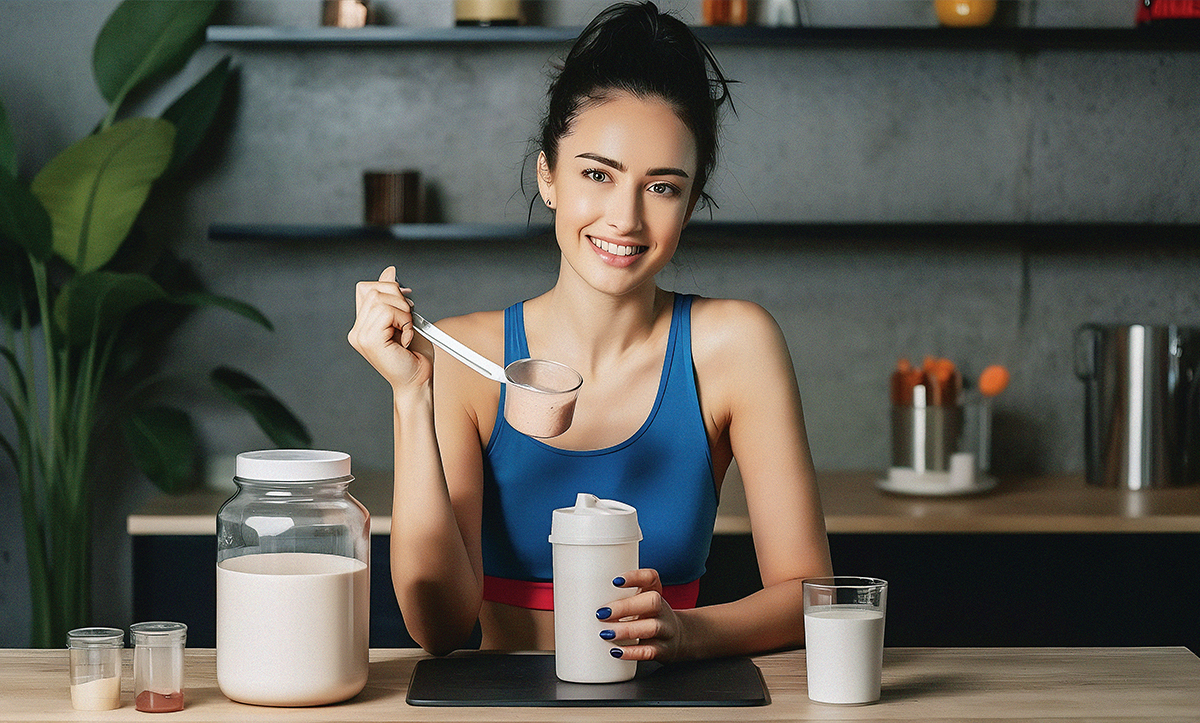
#5. Eat smaller meals. To feel light and energetic, choose your foods wisely. Indulge in the nutritive value of fresh vegetables and fruits, salads and healthy smoothies, fish and lean meat enjoyed to mild fullness at regular intervals. This will help you stay energized and light and also help raise your metabolic rate helping burn the calories more efficiently.
#6. Last but not least, a large part about how we feel is controlled by the mind. Take a few minutes every day to meditate, stay in silence or do a few breathing exercises. Also set aside a few minutes each day to do what you absolutely love to do whether it is reading, listening to music, playing with your dog, walking on the grass, cooking a meal, gardening, day dreaming, taking a nap, dancing; whatever works for you.