
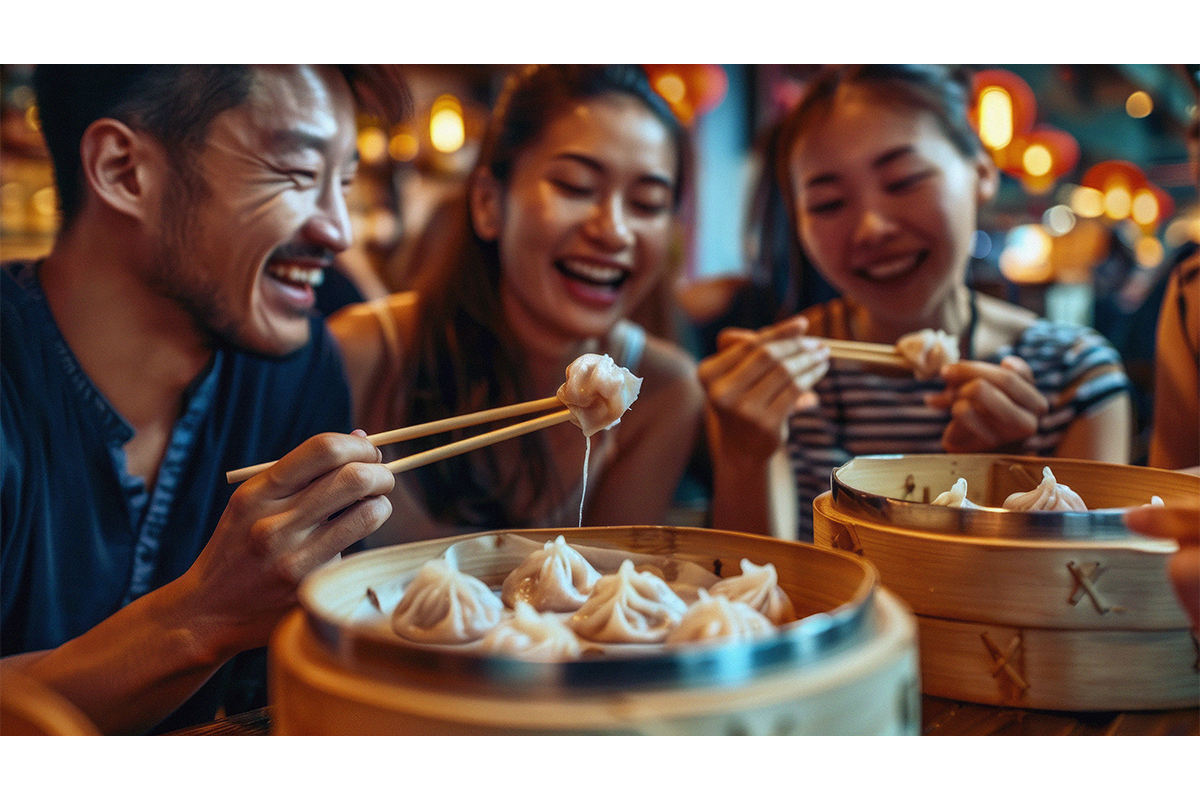
There is something wonderfully comforting about Chinese food. Whether it’s a casual family dinner, a celebration with friends, or a late-night craving, few cuisines offer the same balance of flavour, texture and variety. Yet, for many diners, opening a Chinese menu can be overwhelming. With dozens of unfamiliar names and endless choices, ordering often becomes a game of pointing at random dishes and hoping for the best.
The secret?
Think of your meal the way Chinese cuisine was designed to be enjoyed, not as individual dishes, but as a harmonious collection of flavours and textures shared around the table.
Start with Soup
In many Chinese dining traditions, soup isn’t merely an appetizer, it prepares the palate and gently begins the meal. For lighter meals, egg drop soup or sweet corn soup offers warmth without being heavy. If you’re looking for something more substantial, hot and sour soup provides a satisfying combination of spice, tang and earthy mushrooms.
Ordering soup for the table also encourages everyone to slow down before diving into the main courses.
Think Balance, Not Quantity
One of the biggest mistakes people make is ordering too many dishes that taste similar. Instead, create contrast. A well-balanced meal should include:
One chicken dish, one seafood or fish dish, one beef or pork dish, a vegetable dish, rice or noodles and soup. This creates a meal that’s varied, colourful and satisfying without becoming repetitive.
Mix Cooking Styles
Chinese cuisine celebrates different cooking techniques. Rather than choosing three stir-fries, mix textures: crispy (spring rolls or crispy shredded beef), stir-fried (vegetables or chicken), steamed (fish or dumplings), braised (tofu or mushrooms). The combination keeps every bite interesting.
Vegetables are not an afterthought. Chinese chefs often treat seasonal greens with remarkable care. Simple stir-fried bok choy, Chinese broccoli, mushrooms or mixed vegetables with garlic provide freshness that balances richer dishes. A meal without vegetables often feels heavier than it needs to.
Rice or Noodles?
There’s no rule that says you must choose one. Steamed jasmine rice pairs beautifully with saucy dishes, while noodles often become a dish in themselves. If ordering for four people, one large rice and one noodle dish usually work perfectly.
Know Your Sauces
Understanding a few classic sauces makes ordering much easier.
Black Bean Sauce
Rich, savoury and slightly salty.
Oyster Sauce
Smooth and mildly sweet with deep umami flavours.
Kung Pao
Sweet, spicy and nutty with peanuts and dried chillies.
Szechuan
Bold, spicy and aromatic with the famous numbing peppercorn.
Garlic Sauce
Fragrant and comforting without overwhelming heat.
Sweet and Sour
Tangy and slightly sweet—a favourite for children and first-time diners.
Ordering for the Table
Chinese dining is meant to be shared. Instead of everyone ordering individual meals, select several dishes and place them in the centre of the table. This allows everyone to experience different flavours while creating a more social dining experience.
As a general guide:
• Two people: 3 dishes + rice
• Four people: 5–6 dishes + soup + rice/noodles
• Six people: 7–8 dishes + soup + rice + noodles
Don’t Forget Tea
Traditional Chinese tea isn’t just a beverage; it complements the meal beautifully. Jasmine tea cleanses the palate, while oolong pairs wonderfully with richer dishes. It also aids digestion after a satisfying meal.