
If 2025 was about fast content and fleeting attention, let 2026 be about depth. Fiction remains one of the most transformative forms of storytelling. It allows us to inhabit other lives, question our assumptions and feel more expansively.
From urgent dystopias to intimate explorations of identity, these five novels deserve a place on your 2026 reading list. Each lingers long after the final page.
The Handmaid’s Tale by Margaret Atwood
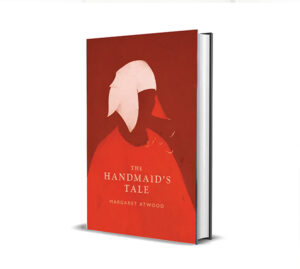
Few novels feel as unsettlingly relevant decades after publication as The Handmaid’s Tale. Set in the totalitarian Republic of Gilead, where women’s bodies are controlled by the state, Atwood’s dystopian classic is both chilling and incisive.
At its heart, it is not just about oppression but about resistance, memory and the quiet endurance of hope. The sparse prose heightens the emotional impact, forcing readers to confront questions of autonomy, power and complicity.
In an era where conversations around bodily rights and political control remain urgent, this novel feels less like speculative fiction and more like cautionary reflection.
A Little Life by Hanya Yanagihara
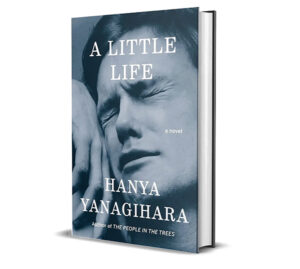
A Little Life is not an easy read, but it is unforgettable. Following four friends navigating adulthood in New York, the novel centres particularly on Jude, a character shaped by trauma and silence.
Yanagihara’s prose is immersive and emotionally intense. The novel explores friendship, suffering, love and the limits of resilience with unflinching honesty. It demands patience and emotional stamina, but rewards readers with profound insight into human vulnerability.
For those seeking fiction that feels expansive and devastating in equal measure, this is essential reading.
The Night Circus by Erin Morgenstern
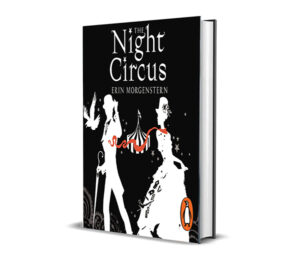
For readers craving atmosphere and enchantment, The Night Circus offers a lush escape. Set within a mysterious travelling circus that appears only at night, the novel follows two young magicians bound in a lifelong duel.
Morgenstern’s writing is cinematic, layered with sensory detail. Beneath the spectacle lies a tender love story and a meditation on fate and free will.
It is a reminder that fiction need not always be heavy to be powerful. Sometimes, wonder itself is transformative.
The God of Small Things by Arundhati Roy
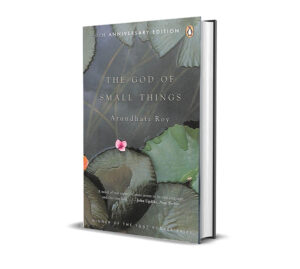
Winner of the Booker Prize, The God of Small Things is a masterclass in language and layered storytelling. Set in Kerala, it traces the lives of fraternal twins whose childhood is shaped by caste, politics and forbidden love.
Roy’s prose bends time, weaving past and present into a tapestry of memory and consequence. The novel examines how small moments reverberate across generations, exposing the fragility of social structures and the intensity of human longing.
It is intimate yet political, poetic yet piercing.
The Midnight Library by Matt Haig
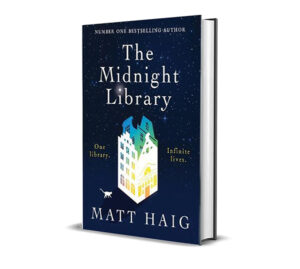
At the intersection of fantasy and philosophy sits The Midnight Library. The novel follows Nora Seed, who discovers a library between life and death containing books that allow her to live alternate versions of her life.
Haig explores regret, possibility and the weight of choice with accessibility and warmth. The narrative encourages reflection without becoming didactic. It asks a simple but profound question. What makes a life worth living?
For readers navigating uncertainty or seeking quiet reassurance, this novel offers both comfort and perspective.