Kathmandu is a city of contrasts, where centuries-old heritage meets the demands of rapid urban growth. Its rich culture, history and resilience continue to shape its identity, yet everyday challenges such as traffic congestion, air pollution, poor waste management and inadequate infrastructure affect the lives of those who call it home. While these issues may seem complex, meaningful progress can often begin with small, practical changes.
In this edition of WOW What You Think, we asked people from different walks of life on what change would make Kathmandu a better city to live in, and their responses offer thoughtful perspectives and practical ideas.
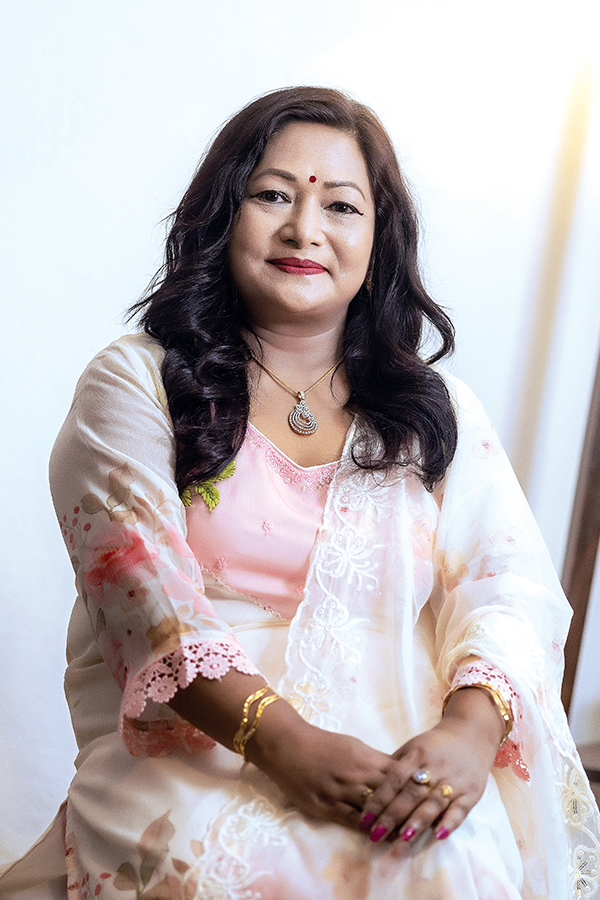
Sarita Manandhar, Digital Creator
Kathmandu is a beautiful city filled with rich heritage and culture. It is the city where I grew up, and it will always hold a special place in my heart. I believe one small change that could make Kathmandu better is if every individual treated the city the way they treat their own home. Keeping our surroundings clean by not throwing wrappers, bottles or other waste on the streets can make a significant difference. I remember returning home from a film one evening when I saw someone throw a plastic bottle onto the road. When I confronted the person, they replied, “It was already filled with trash, I just added mine” I suggested that they carry it and dispose of it in a dustbin instead. Their response was, “There is no dustbin around here.” That made me curious. During my walk home from Ranjana Galli, a distance of around 3–4 kilometres, I hardly came across any public dustbins. It was quite disappointing. I believe change must come from both sides: individuals need stronger civic sense and responsibility, while the city needs better waste-management infrastructure, including more accessible public dustbins.

Pranjal Sharma, Motovlogger
As someone who spends most of his time on the road, whether behind the wheel of a car or riding a motorcycle, I believe the first step towards making Kathmandu a better city is surprisingly simple: fix the roads. We often talk about grand visions of development, but basic infrastructure still needs attention. Potholes, uneven manholes in the middle of roads, poor drainage and a lack of proper street lighting continue to affect daily life. A city should not test your patience every time you step outside. Personally, nothing ruins my mood faster than seeing a freshly paved road disrupted by massive manhole bumps or neglected maintenance.
Equally important is improving civic discipline. Public buses, microbuses and tempos should be encouraged to use designated pick-up and drop-off points instead of stopping in the middle of busy roads.
Kathmandu is not an impossibly large city. Meaningful transformation should be achievable within the next three to five years. If anyone doubts that, they should visit Chongqing. Like Kathmandu, it is a city of hills and challenging terrain, yet the difference in planning, greenery, road quality and urban aesthetics is remarkable. Electric cables and utility poles should be minimised wherever possible to create a cleaner and more visually appealing city.
Kathmandu is already carrying more than it was ever designed to handle. The city grew first and planned later which is why today we are mostly fixing problems instead of building for the future. Instead of endlessly squeezing more into the Valley, Nepal should consider developing a new city from the ground up and making it the future capital. Sometimes the smartest solution is not another patch update; it is a new blueprint. Kathmandu has all the potential. What it needs now is execution, accountability and a clear vision of what a modern capital city should look like.

Binod Bajracharya, Founder, Fitzone and Gym
There is one small change to improve Kathmandu: creating a culture of cleanliness and civic responsibility. If every resident, business and organisation took responsibility for keeping their surroundings clean and respecting public spaces, we would see an immediate improvement in health, tourism and quality of life.
A cleaner Kathmandu would not only look better but also inspire greater civic pride and set the foundation for solving many other urban challenges. I believe that schools can play a vital role in educating children about the three R’s: Reduce, Reuse and Recycle which are the fundamental principles of sustainable waste management and environmental conservation. With Nepal facing poor air quality and other environmental challenges, it is important for people to recognise the impact of their daily choices and, whenever they can afford to do so, opt for more environmentally friendly alternatives in their everyday lives.
We must understand that the future and betterment of Kathmandu does not depend only on institutions but also the citizens.

Rupesh Tyco, Entrepreneur
One small but technical change that could make Kathmandu a better city to live in is the implementation of an intelligent traffic signal system. Currently, many traffic lights operate on fixed timers, which often do not reflect actual traffic conditions. As a result, vehicles spend unnecessary time waiting at intersections, leading to congestion, fuel wastage and increased air pollution. An intelligent traffic signal system uses sensors, cameras and real-time data to adjust signal timings based on traffic volume. For example, if one road has significantly more vehicles than another, the system can automatically extend the green light duration for that road. This technology has been successfully adopted in many cities around the world to improve traffic flow and reduce delays. Although it is a relatively small infrastructure upgrade, an intelligent traffic management system could have a substantial positive impact on Kathmandu’s mobility, environment and overall quality of life.
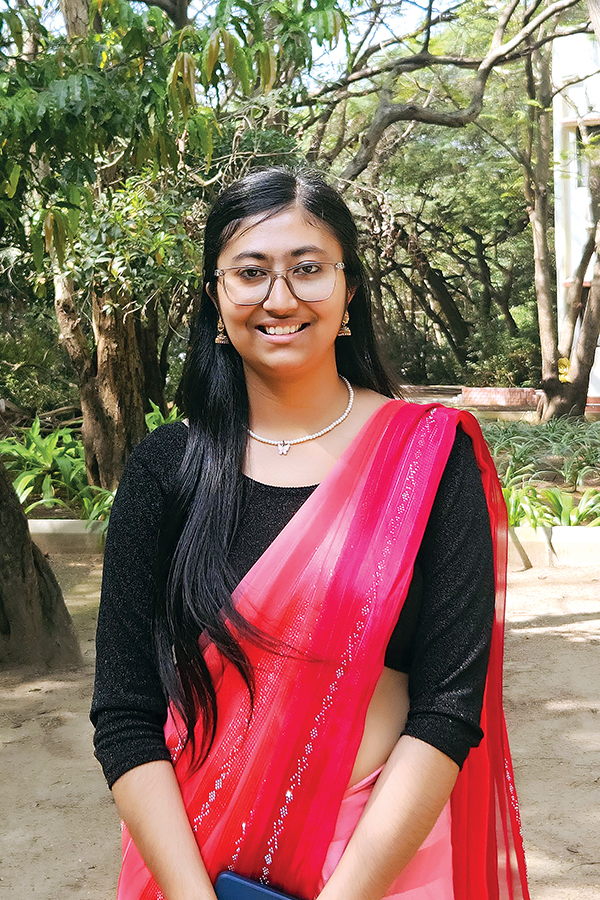
Shrisha Pandey, Co-Founder, VayuDrishti
Kathmandu has always felt like a city with a heartbeat. It is where our stories begin, where families gather and where dreams are chased through crowded streets, temples, tea shops and classrooms. But somewhere between the beauty and the rush, we have normalised breathing air that quietly harms us. For me, one small change that could make Kathmandu a better city to live in is making clean air a daily necessity, not a luxury.
As the co-founder of VayuDrishti, I have spent the last few years working on air quality, data and public awareness. When I visited the UK and the USA, I saw cities where clean air, green spaces, proper planning and accessible public systems were not treated as distant dreams. It made me realise that Kathmandu can do this too.
We do not need to wait for a perfect future. We can begin with small, consistent actions: monitoring air quality, sharing pollution information openly, planting and protecting trees, controlling dust, promoting electric mobility and helping citizens understand the air they breathe.
I also believe Kathmandu needs room to breathe. Every day, we see the city carrying more people, more buildings, more vehicles and more pressure than it was ever prepared for. Thoughtfully extending Kathmandu beyond its overcrowded core could provide relief for both people and nature. But expansion should not mean cutting hills, filling fields, or repeating the same mistakes in new places. It should mean creating planned, greener communities with proper roads, drainage, public transport, open spaces and environmental protection from the very beginning.
Kathmandu’s growth should feel like healing, not suffocation. Kathmandu deserves to be a city where every child, worker and elder can breathe freely. That change can begin with air.