Some foods are delicious on their own. Put the right two together, however, and something entirely new happens. From the classic platter of cheese and fruit to the unmistakable chemistry of momo and achar, great pairings are all about balance, contrast and a little bit of culinary magic.
Food pairing is not simply about putting two things you enjoy on the same plate. The best combinations bring different flavours, textures and aromas together in a way that makes each ingredient taste better. Sweet can soften salty, acidity can cut through richness, while spice can wake up something creamy and comforting.
You do not need to be a professional chef to understand the basics. Once you start paying attention to how flavours interact, even an everyday meal can become more exciting.
Cheese and Fruit
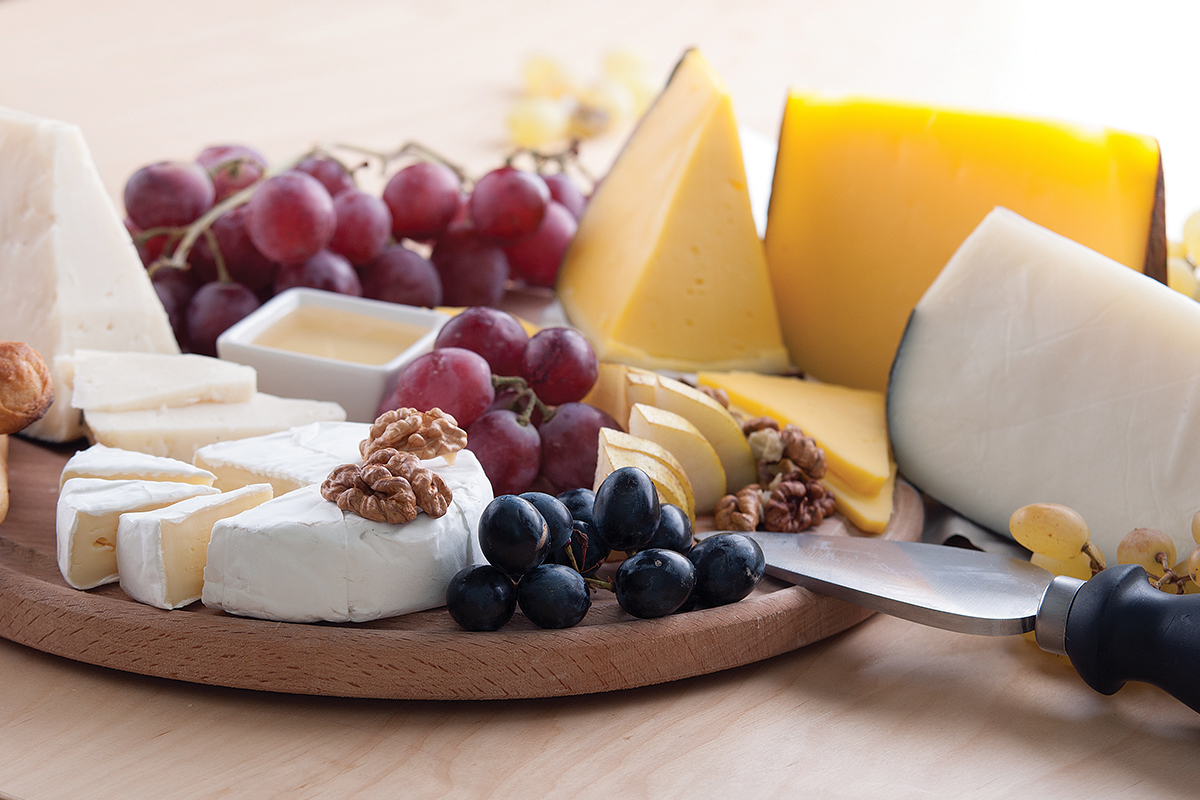
Few combinations demonstrate the beauty of contrast better than cheese and fruit. The richness and saltiness of cheese can be beautifully balanced by the natural sweetness and acidity of fruit.
Try a sharp cheese with crisp apple, creamy brie with pear or a strong blue cheese with grapes. Dried fruits such as figs and apricots also work beautifully with mature cheeses. The secret is contrast. A rich cheese needs something bright or slightly acidic alongside it, while a delicate cheese can work with softer, sweeter fruit.
Chocolate and Coffee
Coffee and chocolate are a classic pairing for good reason. Both have deep roasted flavours, but they bring different qualities to the palate. Dark chocolate can complement the bitterness and intensity of coffee, while milk chocolate works beautifully with a smoother, less intense brew. Espresso with a small piece of dark chocolate can be particularly satisfying because the coffee cuts through the richness of the chocolate.

For a more adventurous combination, try chocolate with coffee infused with spices such as cinnamon or cardamom.
Momo and Achar
In Nepal, momo and achar are a pairing that needs little introduction. The soft, savoury dumpling provides a comforting base, while the achar brings acidity, heat and freshness.
This is a perfect example of how texture and flavour can work together. The juicy filling and soft wrapper are lifted by a punchy accompaniment that adds brightness and spice. Whether it is tomato achar, sesame-based achar or a fiery chilli preparation, the condiment is not simply an extra on the side. It is part of what makes the dish complete.
Honey and Cheese
If you enjoy a sweet and savoury combination, honey and cheese are an easy place to start. The sweetness of honey balances the saltiness of cheese, while its smooth texture adds another layer to the experience.
Try drizzling honey over goat cheese, feta or a mature hard cheese. Add walnuts or almonds for crunch and you have an effortless appetiser that feels far more sophisticated than its simplicity suggests.
Tomato and Basil
Some pairings work because of contrast, while others succeed because their flavours naturally complement one another. Tomato and basil belong to the second category.
Sweet, juicy tomatoes have a gentle acidity that works beautifully with the fresh, aromatic character of basil. Add olive oil, a little seasoning and perhaps mozzarella, and you have the foundation of a classic combination. It is a reminder that great food does not always require complicated ingredients. Sometimes, the right ingredients simply need to be allowed to work together.
Apple and Cinnamon
There is something instantly comforting about the combination of apple and cinnamon. The fruit provides sweetness and gentle acidity, while cinnamon adds warmth and spice.
From pies and crumbles to porridge and baked apples, this pairing has become a staple across many cuisines. The contrast between soft cooked fruit and crisp toppings can make it even more appealing. For a modern twist, try adding toasted nuts or a spoonful of thick yoghurt.
Chilli and Chocolate
Chilli and chocolate may sound unexpected, but the combination has a long culinary history. The richness and slight bitterness of chocolate can provide a beautiful backdrop for chilli’s heat.
The key is restraint. Too much chilli can overwhelm the chocolate, while a small amount can create warmth that develops gradually on the palate. Dark chocolate tends to work particularly well because its intensity can stand up to spice.