
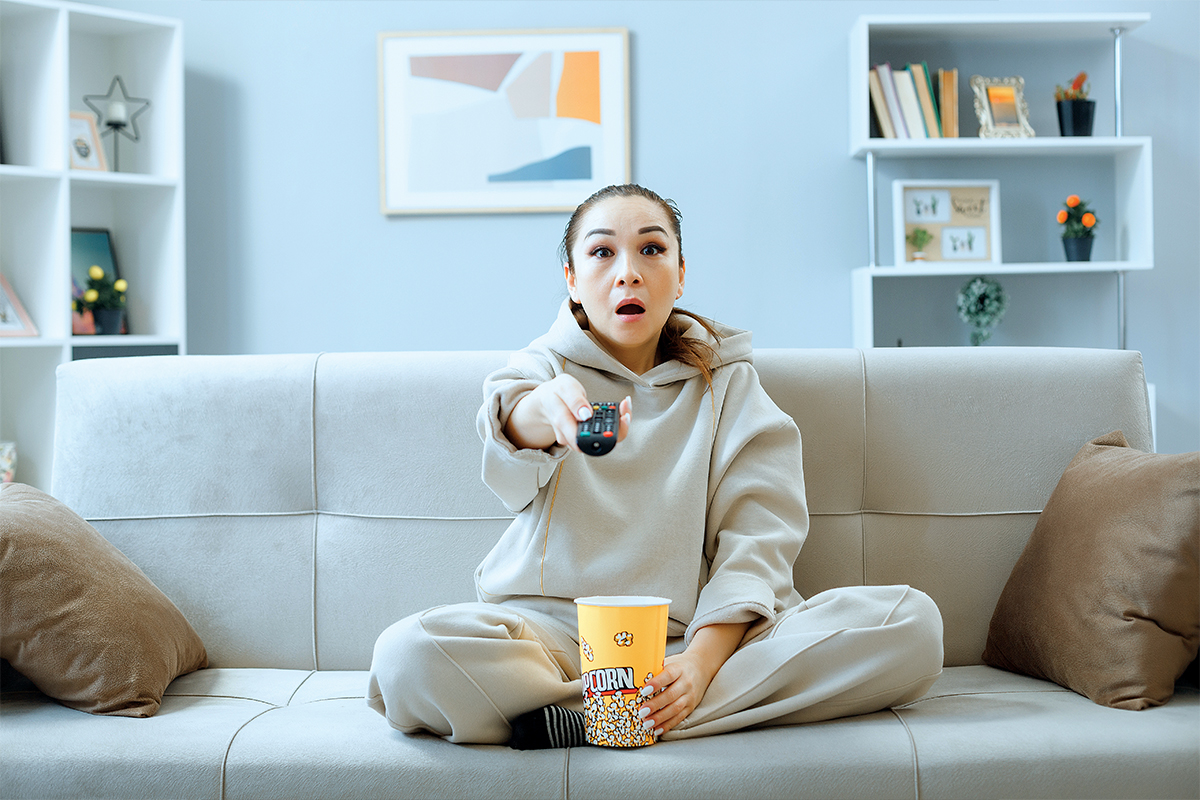
One episode turns into three. Three become an entire season. The credits roll at 2 am, and the house is silent again. In the age of streaming platforms and endless content, binge watching has become a cultural norm. It is how we unwind, escape and reward ourselves after long days.
But as screen time stretches and social time shrinks, a question quietly surfaces. Is binge watching simply entertainment, or is it sometimes a coping mechanism for loneliness?
The Comfort of Company on Screen
There is a reason we grow attached to fictional characters. Neuroscience suggests that our brains often respond to on screen relationships in ways similar to real ones. Familiar faces, recurring storylines and predictable narratives create a sense of comfort.
Psychologists refer to this as parasocial connection. Viewers form one-sided emotional bonds with characters or hosts. These bonds can feel stabilising, especially during periods of stress or isolation. For someone living alone or navigating a life transition, a favourite series can provide routine and companionship.
In moderation, this is not inherently harmful. Experts note that entertainment can regulate mood, reduce anxiety and provide temporary relief from overwhelming emotions.
When Escape Becomes Avoidance
The concern arises when binge watching shifts from leisure to avoidance. If streaming replaces social interaction, delays responsibilities or becomes the primary way of coping with sadness, it may signal something deeper.
Loneliness is not simply being alone. It is the perceived gap between desired and actual connection. When that gap widens, people often seek distraction. Endless episodes offer immersion without vulnerability. There is no risk of rejection, no need for effort, no emotional negotiation.
Mental health professionals suggest that excessive screen time can reinforce isolation if it consistently substitutes real world engagement. The more hours spent consuming fictional lives, the fewer invested in nurturing personal relationships. Over time, this imbalance can intensify feelings of disconnection.
The Pandemic Effect and Digital Habits
The global pandemic accelerated binge culture. Lockdowns normalised extended screen time and blurred the boundaries between work, rest and recreation. For many, those habits persisted.
Streaming platforms are designed for continuity. Autoplay features, cliffhangers and personalised recommendations encourage prolonged viewing. Behavioural experts explain that this structure taps into reward systems in the brain, releasing dopamine with each narrative resolution. The result is a cycle that is easy to repeat, particularly when external stimulation feels limited.
Yet it is important to differentiate habit from harm. Not every late-night series marathon signals loneliness. Context matters.
Signs to Reflect On
Experts recommend paying attention to intention and after effects. Are you watching because you genuinely enjoy the story, or because you are avoiding difficult emotions? Do you feel relaxed afterwards, or emptier?
If binge watching regularly replaces invitations, hobbies or meaningful conversations, it may be worth reassessing. Physical signs such as disrupted sleep, fatigue and reduced concentration can also indicate imbalance.
Loneliness often thrives in silence. Sometimes, constant background noise from a television can mask feelings that need acknowledgement.
Reclaiming Balance
The solution is not necessarily to quit streaming. Instead, it is about conscious consumption. Setting episode limits, scheduling social activities and maintaining offline routines can restore equilibrium.
Experts recommend pairing entertainment with connection. Watching a series with friends, joining discussion forums or turning viewing into a shared experience can reduce isolation. Equally important is investing in relationships that exist beyond the screen.
Regular check ins, community activities and face to face interaction strengthen emotional resilience.
Mindful solitude also deserves space. Being alone does not automatically equate to loneliness. The difference lies in whether the time feels nourishing or draining.
A Mirror, Not the Cause
Binge watching itself is not the villain. It can be joyful, relaxing and culturally engaging. However, when it becomes the primary source of comfort, it may reflect unmet social or emotional needs.
Loneliness is complex and deeply human. Technology can soothe it temporarily, but it rarely resolves it entirely. If your screen feels like your closest companion, it might be an invitation to look inward and outward at the same time.
In the end, streaming platforms offer stories. Real connection offers belonging. The goal is not to eliminate one, but to ensure it does not quietly replace the other.