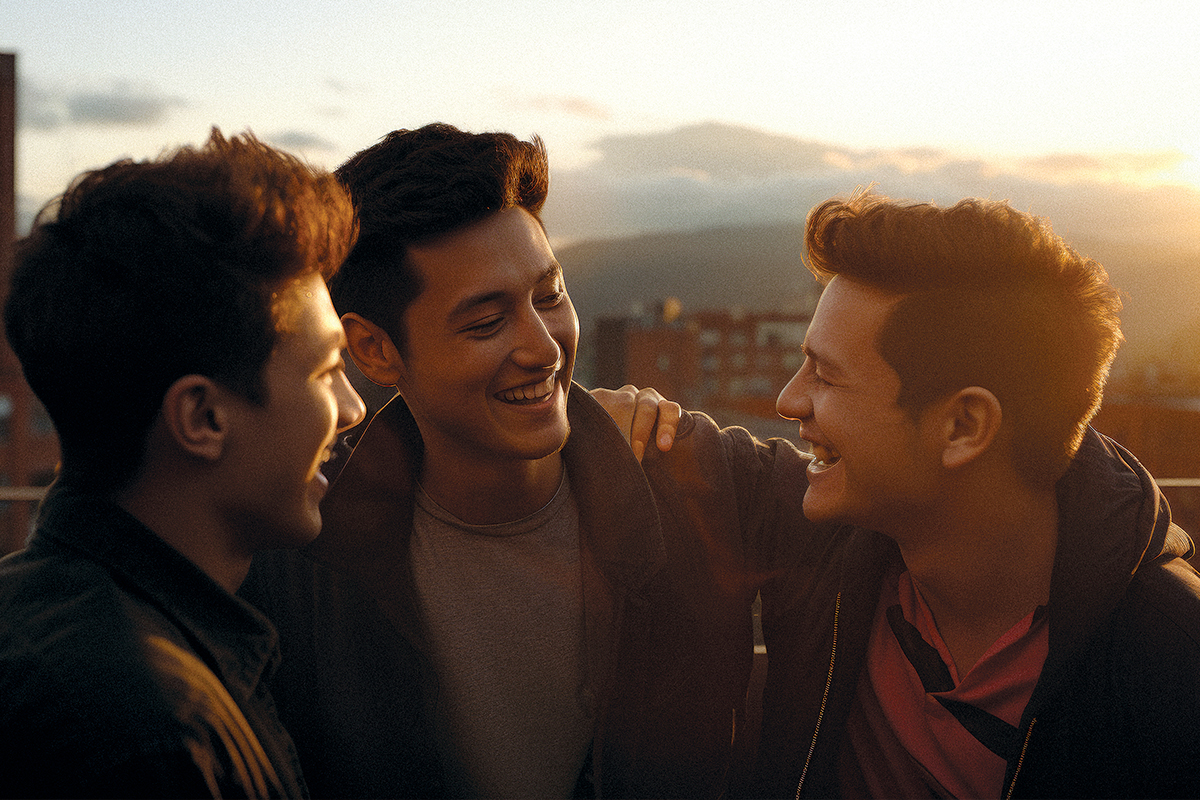
Traditional ideas of masculinity are being challenged and reshaped by younger generations. Rather than measuring manhood through toughness, dominance or emotional restraint, many young men today are embracing a broader definition that values emotional intelligence, authenticity, inclusivity and personal well-being. Influenced by changing social norms, digital connectivity and evolving conversations around gender, the new generation is redefining masculinity in ways that prioritize self-expression, healthy relationships and a more balanced approach to life. As these perspectives continue to evolve, they are transforming not only what it means to be a man but also how men engage with the world around them.
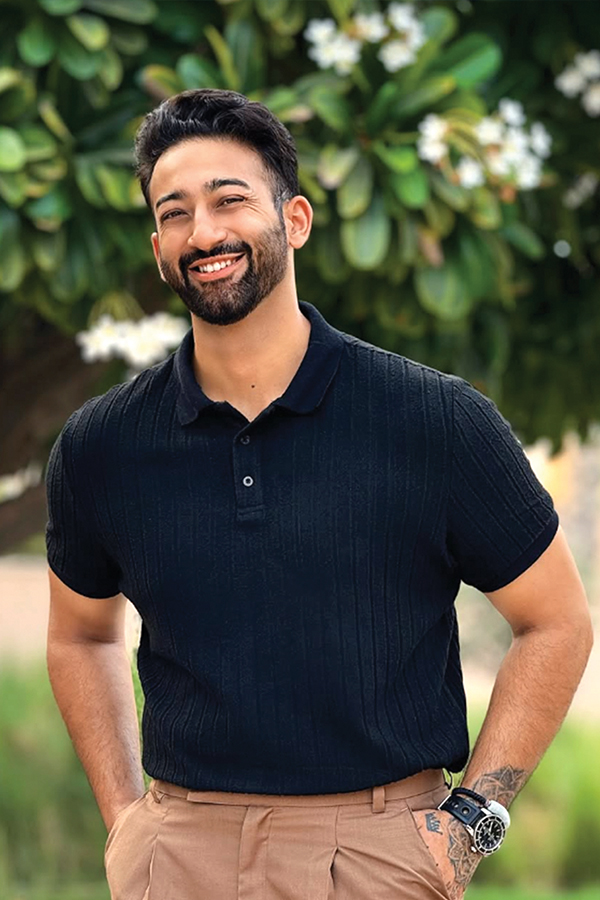
Ayushman Joshi
Actor
First and foremost, I’d like to be grateful that a topic as such is of discussion. As a man that has grown up seeing the men around him always playing the “provider-ship” role, I too have/had the notion that I was required to “be of use” to the people around me and if ever I wasn’t, I would feel less of a man.
However, when the day came that I first held my daughter, it was as though a cog in me just clicked and ever since, the “provider” instinct had a new meaning to it. It wasn’t that, as a man I wasn’t to provide but it mattered more what exactly that I was to be providing. I think that it may just be us now questioning our ways that we are being presented by different, more whole answers. Not always with clarity but different.
Our generation and the next have become a lot more aware of the ongoings of the world but alongside it more curious of the on goings of the inside world, our minds and our emotions and I believe, that’s what has brought about the shift and that is what has helped redefine and almost helped us not define “masculinity” as something that is innately toxic.
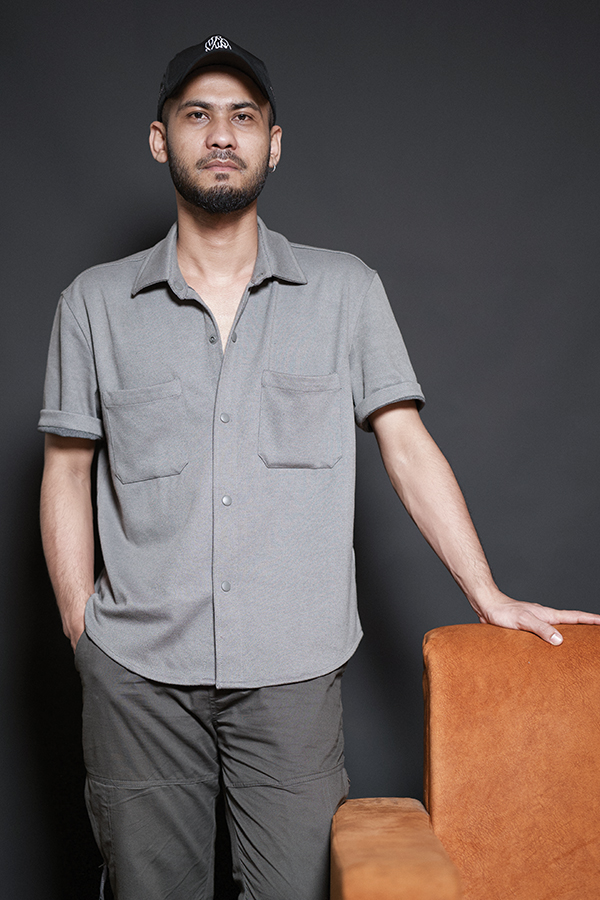
Arjun Katuwal
Musician
People often think being a man is easy because, in our society, the birth of a boy is seen as a blessing. But very few people talk about what that boy goes through while growing up. From a young age, boys are taught to suppress their emotions. If a man expresses too much, he is called weak. If he opens up, his vulnerability is often used against him someday. That is why many men stay silent; not because they don’t feel pain, but because they no longer feel safe expressing it. Not all men are the same, but many are fighting battles nobody notices. A lot of men sacrifice their personal happiness while trying to build a future for their families.
Speaking for myself, I work day and night trying to establish my career. My biggest dream is simply to give my parents the life they deserve and provide them with everything I never had. Many men today are also delaying marriage; not because they don’t want love, but because they are terrified of failing as providers. A man is expected to earn, provide, stay strong, and think about everyone else before himself. And I think the biggest insecurity many men carry is this: ‘What if I never succeed?’ That fear affects their confidence, peace, and decisions every single day. Maybe younger generations are redefining masculinity not by becoming less masculine, but by finally admitting that men are human too.
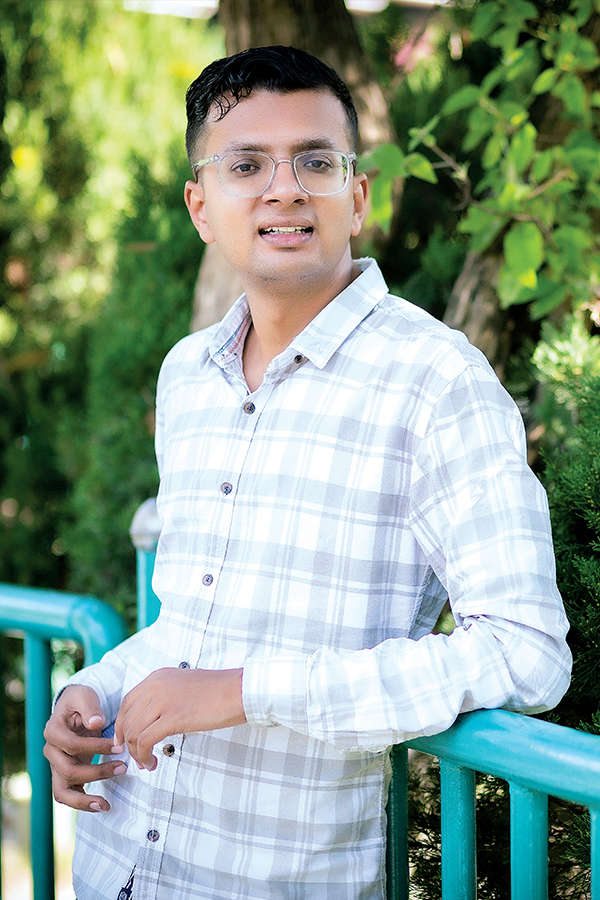
Samaya Khadka
Entrepreneur
Raised by a single mother, I saw strength every single day. Not in a man, but in a woman who carried everything alone. That experience shaped how I understand gender, power, and what we ask of people based on their sex. Growing up, I watched my mother be both the provider and the nurturer that society insists must be separate roles assigned to separate genders. And I wondered: if she could hold all of this, why were men still being excused from half of it? That question brought me to this work.
What gives me hope is this: younger men are no longer accepting the script handed to them. They are choosing to show up in caregiving, in feminist conversations, in calling out their own peers. They are learning that vulnerability is not weakness, that listening is leadership, and that equality is not a threat to their identity but an expansion of it.
Being a man today means being accountable, not just strong. Worth is no longer measured by control over others, but by how honestly you share space with them. My mother never needed a man to complete her. But she deserved men around her who were emotionally and morally complete enough to recognise her as an equal. That is the man younger generations are learning to become, and I believe that shift changes everything, not just for women but for all of us.

Riyab Baniya
Student
For a long time, society taught men to be tough, silent and emotionally strong at all times. Boys were often told not to cry, not to show weakness and to always act “manly.” But younger generations, especially Gen Z, are beginning to challenge these old expectations and create a different understanding of masculinity. Today, many young men believe that being a man is not about hiding emotions or proving dominance over others. Instead, it is about being honest, respectful, emotionally aware and responsible.
Talking about mental health, stress and personal struggles is becoming more accepted among young people. Many now see vulnerability as a sign of courage rather than weakness. Relationships are also changing. Younger generations value equality and emotional support instead of traditional gender roles. Men are encouraged to listen, communicate and share responsibilities both at home and in society.
Social media has played a huge role in this shift by exposing young people to different perspectives and conversations about identity and masculinity. In places like Nepal, this change is especially visible among urban youth and students. Younger generations are showing that masculinity can include kindness, empathy, confidence and emotional strength not just toughness.

Prabin Ranabhat
Photo Journalist
I think younger generations are redefining masculinity in a more positive and open way. Today’s young men are more expressive, emotionally aware, and comfortable sharing their feelings. They are trying to build their own identity instead of only following traditional expectations of what a man should be.
Many are choosing self-employment, creative careers, and independent lifestyles. They are also more open with their parents and loved ones, creating healthier and more honest relationships.
As someone working closely with people and stories through photography and journalism, I can see this change in everyday life. Young men today are more willing to speak about social issues, support women’s rights, and value respect, equality, and emotional intelligence.
I believe this new understanding of masculinity is helping create healthier relationships, stronger communities, and a generation that feels more comfortable being authentic and true to themselves.