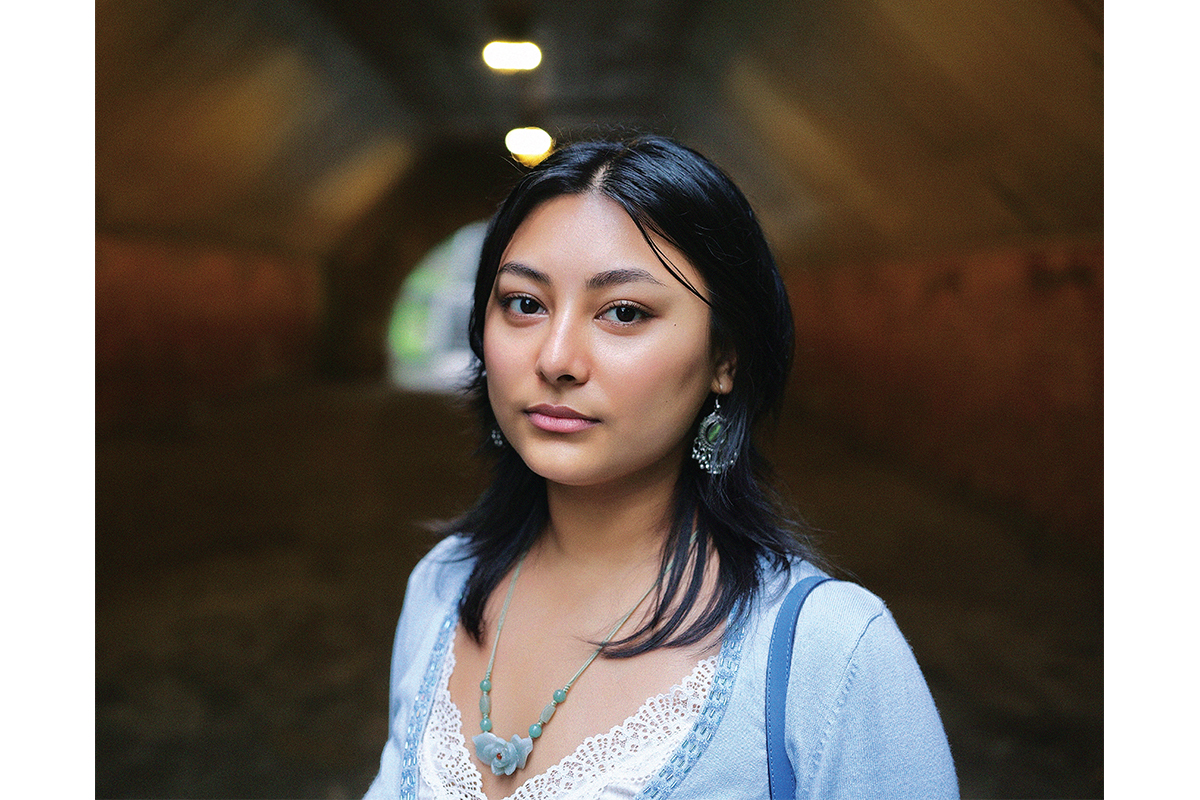
From the vibrant streets of Harajuku to the design studios of New York, Alina Shrestha’s journey is one stitched together by curiosity, resilience and an unwavering belief in the power of self-expression. Today, as a Handbag Design Associate at Ralph Lauren, the young Nepali designer is living the dream she began chasing as a child.
One of Alina’s earliest memories is pleading with her mother to let her wear her favourite pink Tweety Bird matching set, even during the hottest summer days. “From a very young age, I loved dressing up and styling my clothes as a way to express myself,” she recalls.
That childhood fascination blossomed into something much deeper during her teenage years. Like many Gen Z kids, she spent hours online exploring her interests, with fashion, manga and anime quickly becoming her biggest sources of inspiration. At just 14, she discovered Harajuku street style in Tokyo and was captivated by its colourful celebration of individuality.
“What fascinated me the most was how people used fashion to explore and communicate their identities,” she says. In cultures where standing out is often discouraged, Harajuku’s fearless creativity represented a refreshing sense of freedom.
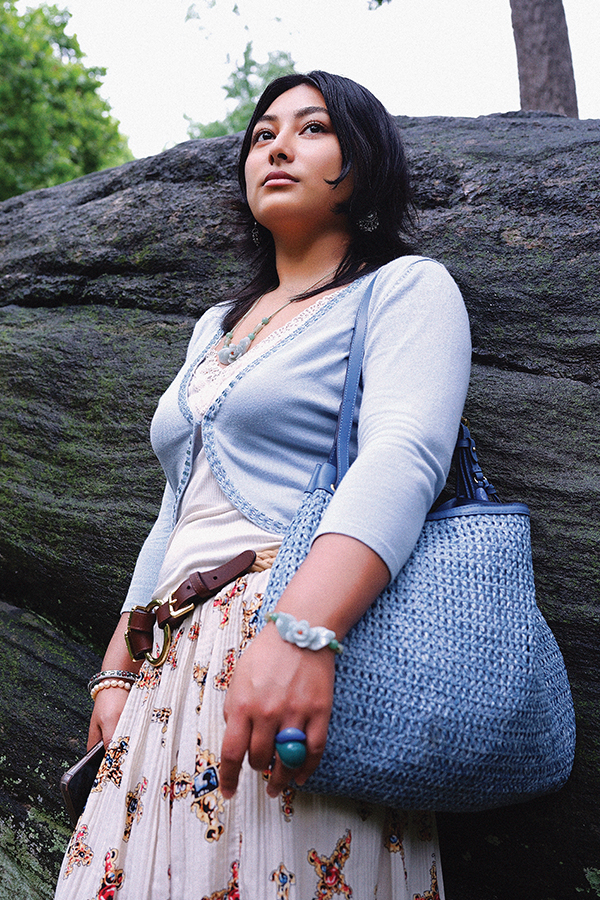
Inspired by what she saw, Alina dreamed of attending Bunka Fashion College in Japan. Although that path did not materialise, it eventually led her towards another opportunity, studying fashion in the United States.
After completing Grade 12, she knew she wanted to build a career in fashion despite having little formal training. A 10-day workshop at Chuplag Studio introduced her to the fundamentals while an internship at Atelier Lagom Nepal proved transformative. Working closely with designer Hana Rai, she gained hands-on experience in mixed-media art, sewing, styling and the realities of the creative process.
One conversation with Hana would ultimately shape the course of her career. After reviewing one of Alina’s projects, she encouraged her to pursue fashion design instead of merchandising. That vote of confidence inspired Alina to focus her portfolio on design and apply to the Fashion Institute of Technology (FIT).
The journey, however, was anything but straightforward.
When FIT rejected her first application, she was devastated. She enrolled at Kent State University but never let go of her dream. Three semesters later, she applied to FIT again. This time she was accepted, and soon found herself in New York City, ready to immerse herself in one of the world’s fashion capitals.
She made every opportunity count, completing internships almost every semester while balancing classes and a part-time job. From activewear and intimates to knitwear, each experience broadened her understanding of the industry and helped shape her creative perspective.
“My first real break came from putting myself out there,” she says. A chance conversation with an FIT alumnus led to her first internship and reinforced a lesson she continues to live by: opportunities often begin with a simple conversation.
A defining moment came during her fourth semester at FIT when she enrolled in a handbag design class. What began as another subject soon evolved into a genuine passion. After gaining experience at companies including O5 Group, J.Crew and American Eagle Outfitters, she continued to pursue opportunities in accessories before eventually joining Ralph Lauren as a Handbag Design Associate.
Looking back, she believes her greatest strength has always been perseverance. “I would say grit and a constant hunger to learn are what keep you going in this industry,” she says.
Among the many projects she has worked on, one remains especially meaningful. During a summer break in Nepal, she designed a 10-piece collection for Gofu Studio, taking on the challenge of designing, producing and creating lookbooks for an entire collection in just three months.
Sustainability was at the heart of the project. Using plant-based materials such as cotton and hemp, she designed every piece – from trousers and tops to a vest, hat and tote bag – with its complete life cycle in mind, reflecting her commitment to more thoughtful fashion.
The experience was deeply personal. Friends and family stepped in wherever they could, whether modelling the garments or helping with production logistics. She even sold pieces from the collection at a pop-up market in Jhamsikhel, making the project a true labour of love.
For young designers hoping to enter the industry, her advice is refreshingly straightforward. “Put yourself out there and don’t let rejection stop you,” she says. “Reach out to people, apply for internships and keep building your portfolio. Rejection is part of the process, not a verdict on your potential.”
From a little girl determined to wear her favourite pink outfit to a Nepali designer creating handbags for one of the world’s most iconic fashion houses, Alina’s story is a reminder that dreams rarely follow a straight path. Sometimes they take unexpected detours, but with courage, curiosity and persistence, they can lead exactly where they are meant to.