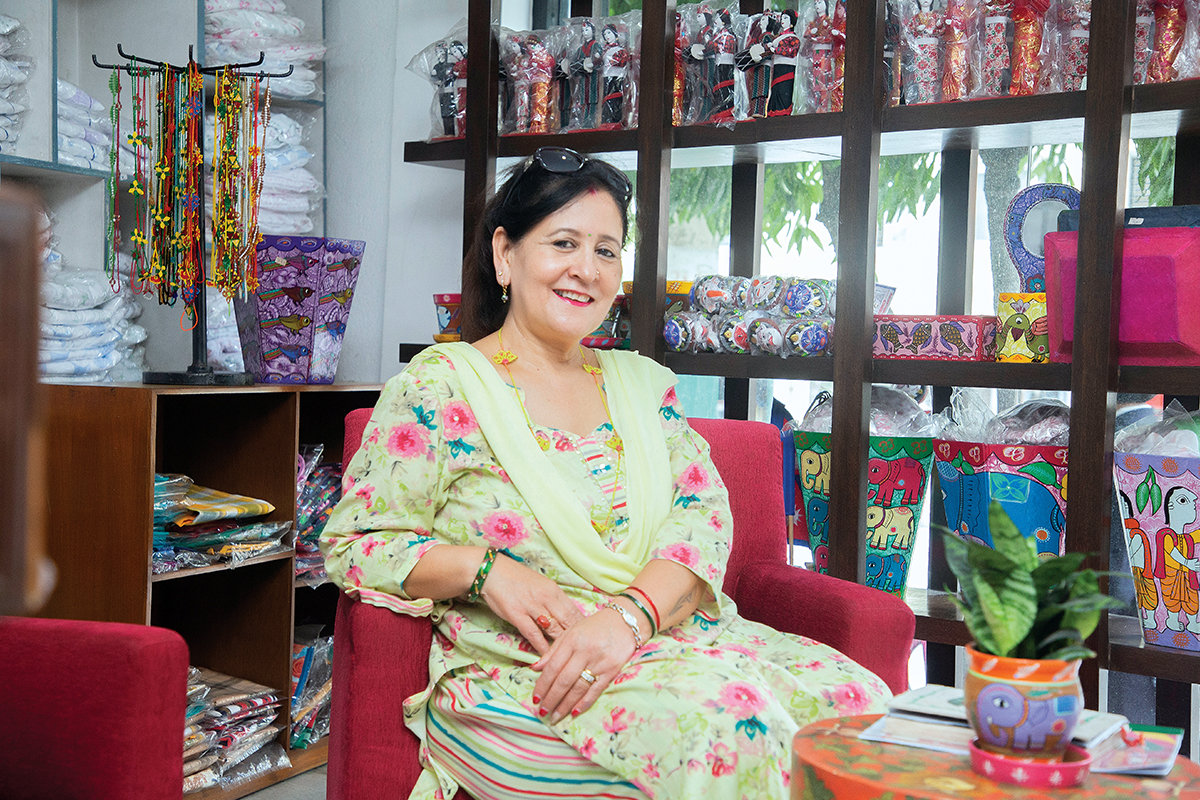

We all enjoy being recognised, but do men receive enough appreciation? From compliments on their appearance to acknowledgment of their efforts, praise often seems less common for men than for women. Does that affect how they see themselves, their relationships and their wellbeing? We asked men one simple question: Do you feel complimented enough, and does it matter?

Manjil Dhakal, Content Creator
I believe men often receive fewer genuine compliments than they deserve, and it does matter. In many cultures, men are expected to be strong, composed and self-reliant which can unintentionally create the idea that they do not need words of encouragement or appreciation. As a result, many go long periods without hearing positive affirmations.
A sincere compliment, whether it recognises someone’s kindness, dedication, creativity, resilience or character, can have a meaningful impact. It boosts confidence, supports emotional well-being, and reminds people that their efforts are noticed and valued. These small moments of appreciation can leave a lasting impression.
I also believe that compliments should be normalised for everyone, regardless of gender.
Genuine appreciation strengthens relationships, encourages kindness, and creates a more supportive environment where people feel seen and respected. Sometimes, a few thoughtful words are enough to brighten someone’s day and make a meaningful difference.

Sujan Zimba, Artist
Men rarely receive enough compliments but I do not think that is what defines our lives. From a young age, many men are taught to take responsibility, work hard and face challenges without expecting praise or recognition. We are often judged more by what we provide than by who we are.
At this time, yes, I do receive a few compliments because I am a social influencer now. But where were those compliments when I was nothing more than a hardworking man trying to build my life? That is why I do not depend on praise to measure my worth. Discipline, perseverance and consistency matter far more than words of appreciation.
I also believe that in a society where men are expected to pay all the bills, compliments cannot solve real responsibilities. Do those compliments pay our bills or carry our burdens? For that reason, they do not matter much to me. The only compliments that have always felt truly genuine are those from my mother whose love and encouragement are pure and unconditional.
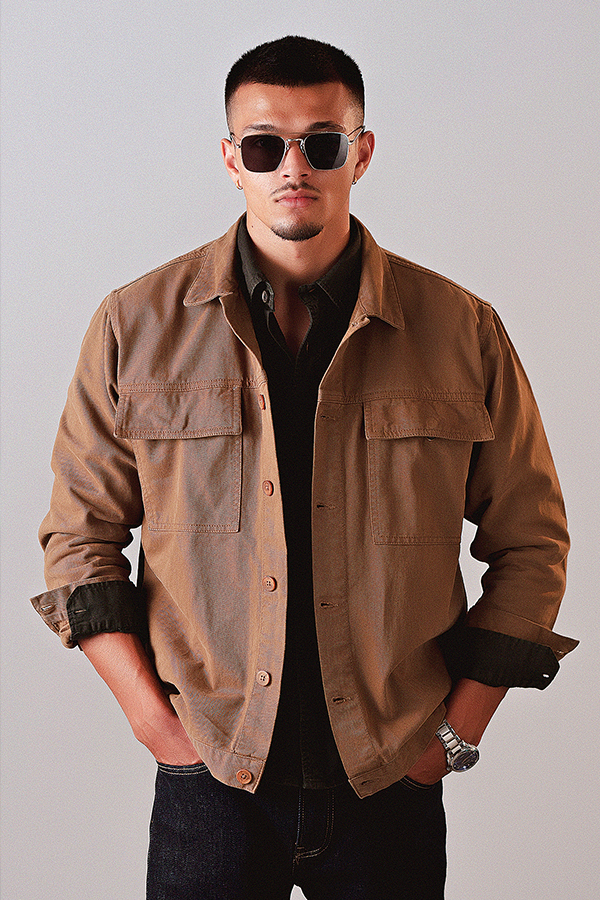
Kapil Neupane, Model
Men generally don’t receive enough compliments, and yes, it does matter. Society often expects men to be confident, emotionally strong and unaffected by external validation. Because of this, genuine compliments towards men, whether about their efforts, personality, kindness or achievements, are often overlooked.
A simple compliment can have a meaningful impact. It can boost confidence, encourage positive behaviour and remind someone that their efforts are noticed and appreciated. While appearance-based compliments are nice, acknowledging qualities like responsibility, compassion, resilience and hard work can be even more valuable.
That said, compliments shouldn’t be given based on gender; they should be sincere and deserved. Everyone, regardless of whether they are a man or a woman, appreciates feeling seen and valued.
Creating a culture where people openly express appreciation without judgement can improve relationships, mental wellbeing and communication. Sometimes, a few genuine words of encouragement can stay with a person for years and make a bigger difference than we realise.

Shantanu Dhakal, Youth Activist
When a man does something well, society sees it as normal or simply what is expected of him rather than something extraordinary. Because of this, many men grow up believing they do not need praise or appreciation. This does not necessarily make men angry because, from childhood, they are taught to be strong, independent and not seek validation. However, this does not mean compliments do not matter. Men also appreciate being recognised for their efforts and achievements.
In my experience, appreciation usually comes from close relationships, especially a girlfriend or wife. In families, mothers often encourage and appreciate men while fathers and society tend to express it less. Men are expected to quietly accept this as normal.
As an only child, during my long hospital stay, I never gave up because I always remembered the responsibilities I would have towards my parents in the future. I kept telling myself that I had to get back on my feet for them. I slowly began sharing my journey on social media. Many people commented positively and lifted my spirits, but some told me that I was lucky to have gone viral and to be earning dollars through sympathy. In real life, some people praised me, while others told me that I had made a huge mistake by joining the protest and that it was not worth it. But I have learned to handle it. The praise from people really helped me during my initial recovery journey.

Aryan Poudel, Digital Creator
I don’t believe men receive enough compliments compared to women, and I think it absolutely matters. While many men may not openly express it, a genuine compliment can have a significant impact on how they feel. It can boost confidence, improve self-esteem, and even motivate them to do better. Although we shouldn’t rely on other people’s opinions for our self-worth, hearing something positive can genuinely brighten someone’s day.
Many men are constantly fighting battles in their own minds, dealing with stress, pressure, or self-doubt without showing it on the outside. That’s why even simple compliments can go a long way. Saying things like, “You are looking fresh today,” “I like your outfit,” or “You smell great,” might seem small, but those words often stay with someone for the rest of the day.
Compliments aren’t about seeking validation; they are about acknowledging and appreciating others. Men deserve to feel seen and appreciated too. A few kind words cost nothing, yet they can leave a lasting positive impact. Sometimes, that small moment of encouragement is exactly what someone needs to keep going, with a smile on their face.