Making room for grief, uncertainty and joy when celebration feels different
A few days ago, I spoke with a friend whose family member has been missing since the recent floods. I mostly listened. There was little I could say that did not feel inadequate. How do you comfort someone when there is no answer yet? When hope is still present, but so is fear? When every phone call might bring news, and every hour without one means continuing to wait?
After we hung up, I carried the conversation with me. My own family is safe. I know where the people I love are. There is enormous gratitude in being able to say that. Yet as Dashain approaches, I have noticed that my anticipation of the festival feels different. Thoughts of gathering with family now arrive alongside thoughts of families who are waiting, grieving, displaced, or trying to rebuild lives that changed within hours.
Perhaps many of us are entering the festival season carrying similar contradictions. We are preparing to celebrate, but we have also been watching a country suffer. We are grateful for the people beside us while being painfully aware of those missing from someone else’s table. We want children to experience the excitement of Dashain, even as adults around them are trying to make sense of loss and uncertainty. The calendar has moved towards celebration. Our emotions may not have moved at the same pace. And perhaps they do not have to.
When Celebration Meets What We Are Carrying
Festivals have a way of amplifying emotion. Joy feels bigger when everyone gathers. So does absence. The familiar rituals themselves can become reminders. The person who normally arrives first is not there. A family home feels different. Someone instinctively prepares food for more people than are coming. A photograph from last Dashain suddenly carries a meaning it did not have when it was taken.
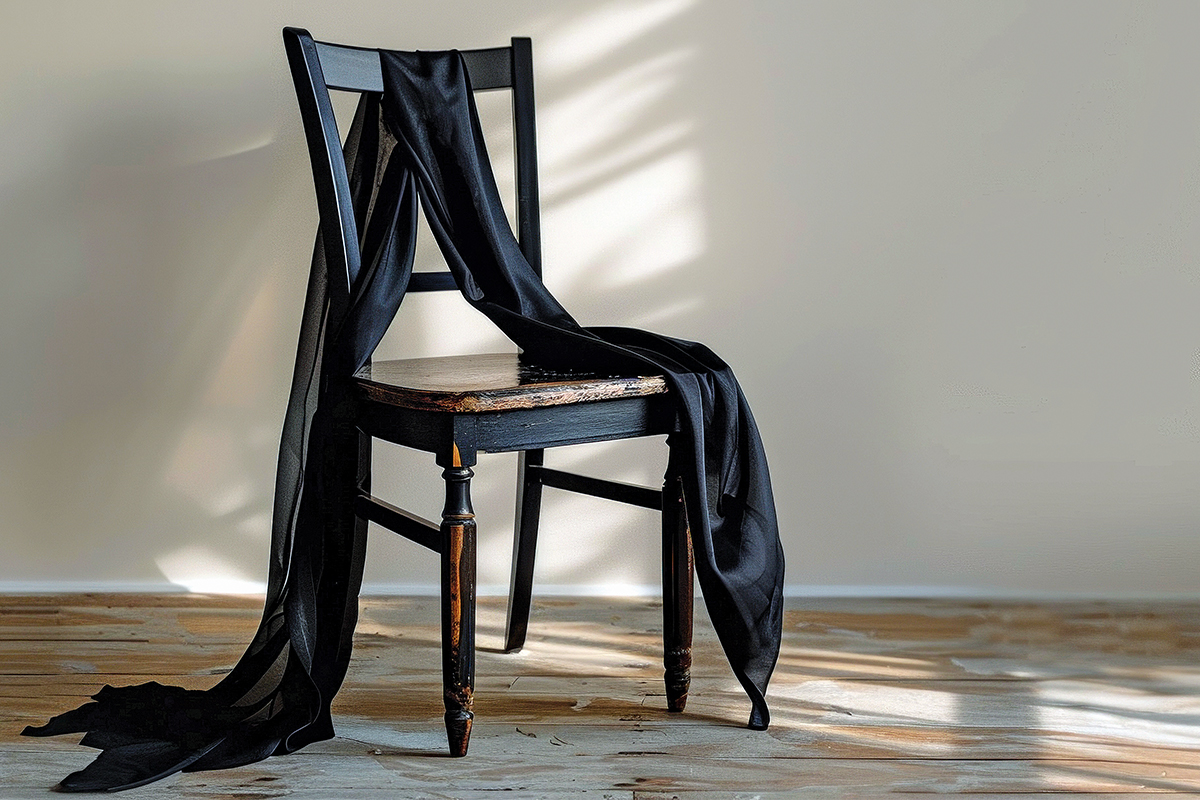
Sometimes the empty chair belongs to someone who has died. Sometimes to someone still missing. Sometimes to a family member living abroad who could not return. Sometimes there is no literal empty chair at all, only the awareness that life around the table has changed. This is what makes festivals emotionally complicated. They connect us not only with the people who are present, but also with memory. And this year, those private memories exist alongside something larger: a country carrying difficult emotions together.
When a Country Carries More Than One Emotion
When tragedy affects communities around us, it can be difficult to know what we are “allowed” to feel. Can I enjoy Dashain when another family has lost everything? Is it insensitive to laugh?
Should we celebrate as usual? Why am I feeling so affected when my own family is safe? These questions can create guilt around emotions that do not need to compete with one another.
I can be grateful that my family is safe and heartbroken for my friend. A family affected by the floods can experience grief and still have a moment of laughter around the dinner table. A child can be excited about new clothes while the adults around her are worried about what comes next. One feeling does not invalidate another.
We often imagine emotional wellbeing as reaching a state where difficult feelings disappear and we return to being happy. But emotional wellbeing can also mean developing the capacity to hold more than one truth at once. The goal is not always to resolve these contradictions. Sometimes it is simply to stop fighting them.
Giving Ourselves Permission to Feel Differently
There can be tremendous pressure around festivals to be happy. We dress up. We take photographs. We visit relatives. We prepare food. We ask each other whether we are enjoying ourselves. But grief does not consult the festival calendar. Neither does anxiety.
For someone navigating loss or uncertainty, being told to “enjoy the festival” can sometimes create another burden: the expectation to perform an emotion they simply cannot access. Perhaps we can make this festival gentler by removing that expectation. Someone may want to participate in every ritual. Someone else may need to leave the room for a while. One family may celebrate quietly. Another may decide not to celebrate at all.
Someone may laugh in the morning and cry that evening. None of these responses tells us how deeply a person loved, how grateful they are, or how well they are coping. There is no correct emotional performance of grief.
Caring Without Trying to Fix
When people around us are hurting, our instinct is often to find the right words. Stay strong. Everything will be okay. At least… Sometimes we say these things because silence makes us uncomfortable. Yet uncertainty cannot always be reassured away, and grief cannot be solved through optimism. Care can be much simpler. We can ask, “How is today for you?” instead of assuming how someone feels.
We can listen without rushing towards advice; include someone in a celebration while making it clear that they are equally free to decline and we can help with practical things when emotional energy is low. And sometimes we can simply sit beside someone without demanding that the moment become lighter.
For women, this matters particularly during festivals. Women are so often the people expected to keep celebration moving; to cook, organise, welcome relatives, remember traditions and attend to everyone else’s needs. A woman carrying grief or uncertainty may still find herself expected to create joy for everyone around her.
The Empty Chair
The image of an empty chair has stayed with me. I used to think of an empty chair only as something sad, a reminder of who is no longer there. Now I think it can hold much more. It can hold memory. Perhaps we do not always need to fill the empty chair or look away from it. We can acknowledge what is missing while appreciating what remains.
This Dashain may carry different emotions for different families. My conversation with my friend reminded me that being untouched by a tragedy does not mean remaining emotionally untouched by it. Caring connects our emotional worlds.