For years, the plan seemed almost inevitable: study economics, graduate from university, secure a coveted role at one of London’s elite investment banks, and climb the corporate ladder. It was a future defined by prestige, ambition and certainty.
Then the world stopped.
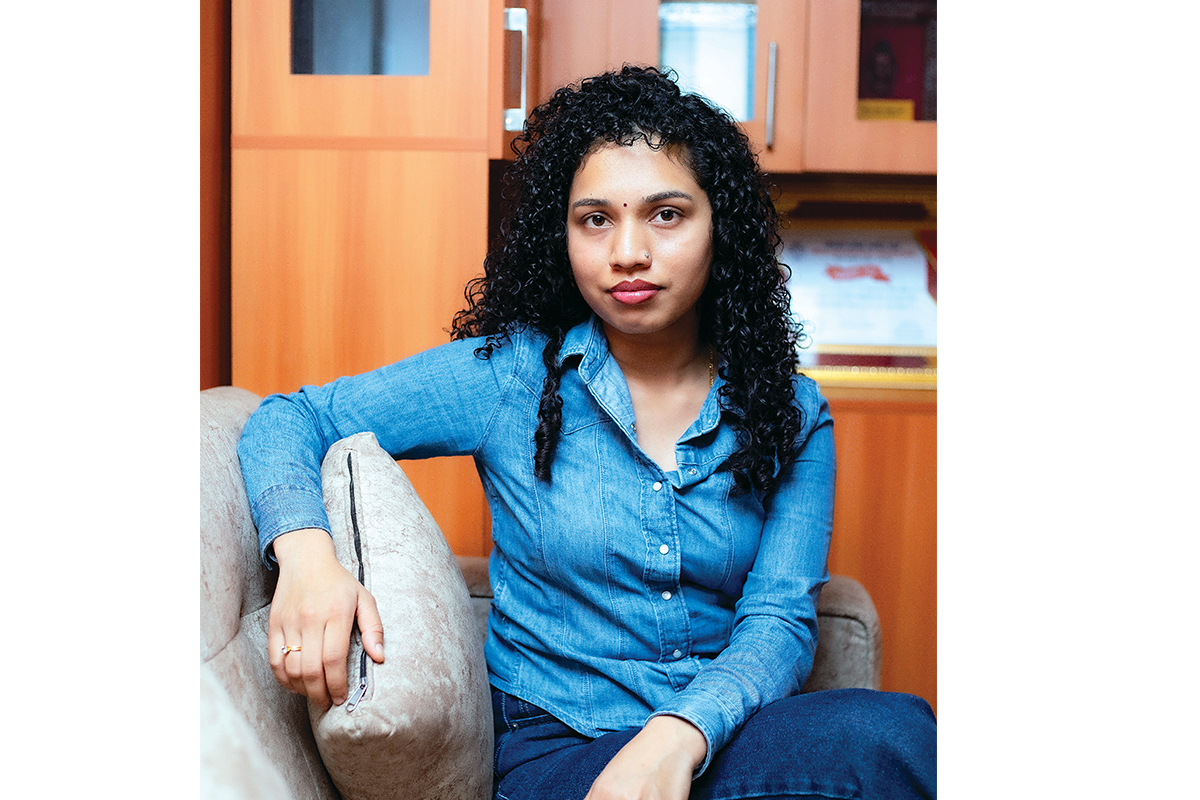
Like countless young professionals whose lives were reshaped by the Covid 19 pandemic, Keshma Thapa found that the forced pause became an unexpected opportunity for reflection. What had once felt like the perfect career plan suddenly seemed less like a personal ambition and more like a path she had simply assumed she should follow.
“I was incredibly single-minded about becoming an investment banker,” Keshma recalls. “I imagined myself working at firms like Goldman Sachs or JPMorgan. But when the pandemic arrived, I finally had the space to ask whether that life was actually what I wanted.”
The answer surprised her.
Living in England during the pandemic, Keshma began questioning not only the career she had pursued so relentlessly, but also where she wanted to build her future. The prestige of investment banking no longer outweighed the desire to create something more meaningful closer to home. Around the same time, an opportunity emerged through her father.
“I was quick to acknowledge the privilege of having that door open,” she says. “I am deeply aware of how fortunate I am. But I also knew opportunity alone wasn’t enough. I had to work incredibly hard to build on it.”
What began as a single opportunity has since grown into something far larger than either of them initially imagined. Looking back, Keshma smiles at the irony of the journey.
“I went from dreaming of working for major investment banks to now having those same institutions keeping a close eye on our upcoming projects.”
Unlike dramatic career changes sparked by one defining moment, Keshma’s transformation was gradual. The stillness of the pandemic stripped away the momentum that had carried her through university and towards a conventional corporate career. Without the constant pressure to keep moving, she found herself confronting questions she had long avoided.
“Was I pursuing investment banking because it reflected who I was, or because of the status attached to it? Did I really want to build my life so far from home?”
The answers became increasingly clear. Rather than viewing the opportunity in Nepal as a detour, she came to see it as a calling. It marked the moment she stopped following a default path and chose to create one of her own.
Leaving behind a clearly defined career trajectory, however, was not without its challenges.
“The hardest part was giving up the sense of security. When you move into a completely different industry, you have to build your credibility from the ground up. It’s both humbling and exciting,” she explains.
Throughout that transition, family became the foundation that made the leap possible.
While her father opened the first door, Keshma credits the unwavering support of her entire family with giving her the confidence to embrace uncertainty. Their belief in her potential – long before there were measurable successes – helped transform risk into possibility. Rather than reinventing herself, she simply redirected the same determination, discipline and work ethic once destined for the financial sector into entrepreneurship.
Today, that decision has led to a career driven by purpose rather than prestige.
As Founder and CEO of K.B. Agro and Research, Nepal Pellet Feed Industries and its sister companies, Keshma is helping strengthen Nepal’s agricultural and livestock sectors. In the process, her definition of success has shifted from personal achievement to collective impact.
“Earlier in my career, success was about promotions and stability,” she says. “Today, it’s about creating something meaningful, generating opportunities for others and building a business that has a lasting impact.”
The greatest reward, she believes, is seeing the tangible difference the business makes to farmers and to an industry that plays a vital role in Nepal’s economy.
That sense of purpose has brought personal fulfilment as well. Entrepreneurship has demanded resilience, patience and a willingness to embrace uncertainty, but it has also reinforced the importance of staying true to one’s convictions.
“I am happier because I am building something I genuinely believe in alongside people I trust. That’s a far more meaningful definition of success than I could have imagined years ago,” Keshma reflects.
For anyone contemplating their own career pivot, her message is one of reassurance rather than certainty. “A second act doesn’t mean the first chapter was a mistake. It simply means you have evolved and are choosing a path that’s more aligned with who you are.”
She believes every experience leaves behind lessons that remain valuable – whether in discipline, resilience, adaptability or leadership. Starting again is never starting from nothing. Above all, Keshma encourages people to resist comparing their beginnings with someone else’s achievements.
“Don’t compare your beginning to someone else’s middle. Growth rarely happens inside your comfort zone. If you have a clear purpose, you are willing to learn, and you have people who believe in you, trust yourself enough to take the leap. You may be surprised by where it leads.”
For Keshma, that leap transformed a carefully mapped-out future into one she could never have planned, and one that has proved far more rewarding than she ever imagined.
Text: Kreenjala Pyakurel