
Why the Right Breed Matters More Than You Think
Before falling in love with a breed based on looks or popularity, ask yourself one important question: Is this pet suited to Kathmandu’s climate?
Kathmandu experiences warm summers, humid monsoons and chilly winters. While we can switch on a fan, wear a jacket, or stay indoors, our pets depend entirely on us to keep them comfortable. Choosing a breed that naturally adapts to local weather can make a significant difference to its health, comfort, and quality of life.
Know the Climate Challenge
Dogs and cats regulate body temperature differently from humans. Dogs cool themselves mainly by panting, while cats groom to stay cool. During Kathmandu’s humid monsoon months, these natural cooling mechanisms become less effective, increasing the risk of heat-related illnesses.
Cold-weather breeds with thick double coats are particularly vulnerable because they were bred to retain body heat in freezing temperatures, not cope with warm, humid conditions.
Watch for These Warning Signs
If your pet shows any of these symptoms during hot weather, seek veterinary care immediately:
• Excessive panting
• Heavy drooling
• Weakness or lethargy
• Vomiting
• Confusion or disorientation
• Collapse
Heatstroke is a medical emergency and can become life-threatening within a short time.
Monsoon and Winter Risks
Kathmandu’s changing seasons bring different challenges.
During the monsoon:
• Thick-coated dogs can develop fungal and bacterial skin infections as moisture gets trapped in their fur.
• Regular drying and grooming are essential.
During winter:
• Small breeds, senior pets, and short-haired dogs are more susceptible to cold and should not be left outdoors for extended periods.
Breeds That Generally Adapt Well
Some breeds naturally cope better with Kathmandu’s moderate climate.
Good choices include:
• Labrador Retriever
• Beagle
• Cocker Spaniel
• Indie (local mixed-breed) dogs
Having adapted to Nepal’s environment over generations, Indie dogs are especially resilient, require fewer special accommodations, and are often healthier than many imported breeds.
Cats also adapt well. Most domestic short-haired and mixed-breed cats thrive in Kathmandu as long as they have shelter from heavy rain and cold weather.
Breeds That Need Extra Care
Some breeds can certainly live in Kathmandu but they require much more careful management. They are cold-weather breeds like the Siberian Husky, Alaskan Malamute, Samoyed, Saint Bernard, and Chow Chow. Their thick double coats make it difficult to release body heat, increasing the risk of overheating even during moderate exercise.
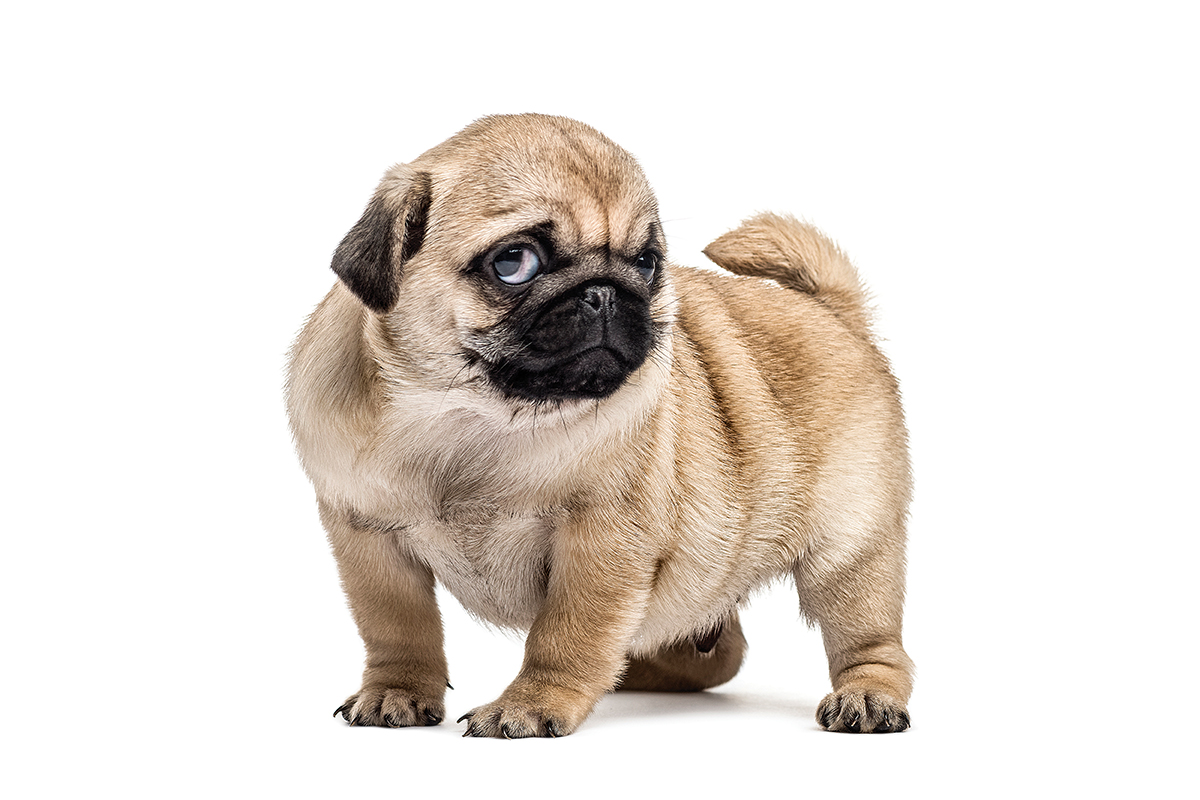
Also, flat-faced (brachycephalic) breeds like Bulldog, French Bulldog and the Pug because of their shortened airways, struggle to cool themselves efficiently and can experience breathing difficulties, particularly during warm, humid weather.
Pet Care Tips for Kathmandu
• Always provide fresh drinking water.
• Ensure access to shade and cool resting areas.
• Schedule walks early in the morning or after sunset during summer.
• Dry your pet thoroughly after rain or bathing.
• Groom regularly, especially long-haired breeds.
• Feed a balanced, nutritious diet.
• Keep up with routine veterinary check-ups.
The Bottom Line
A pet is a long-term commitment, and choosing the right breed is one of the most important decisions you will make. While most breeds can live comfortably in Kathmandu with responsible care, selecting one naturally suited to the local climate reduces health risks, lowers maintenance needs, and helps ensure your companion enjoys a longer, healthier and happier life.