
We often mistake leadership for certainty – the person with the answers, the authority, the confidence to tell everyone what comes next. But uncertainty exposes something more important: character.
Responsible leadership is not about pretending to know. It is about having the courage to acknowledge what we don’t, listening before acting, asking difficult questions, accepting scrutiny and taking responsibility for the consequences of our decisions.
At a time when institutions, societies and individuals are navigating profound uncertainty, perhaps it is time to rethink what we expect from those who lead. Do we need more certainty, or more honesty? More authority, or more accountability?
Because when certainty disappears, leadership is ultimately less about power and more about responsibility.
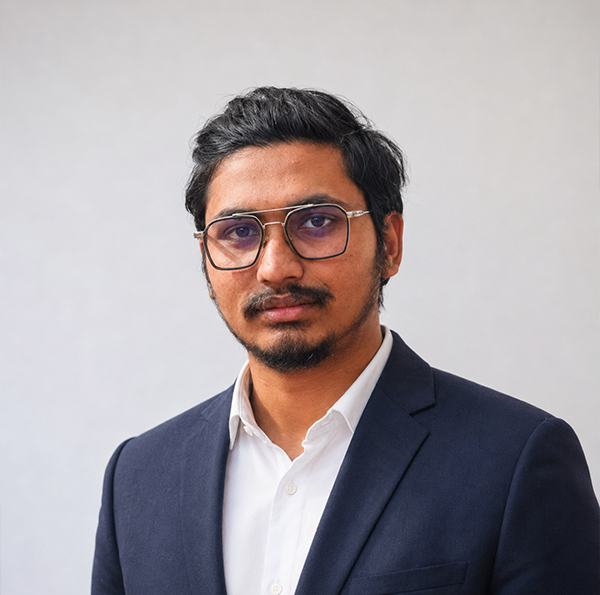
SHAKRIYA PANDEY, Co-Founder & CEO, VayuDrishti
Responsible leadership is not about knowing exactly what will happen next. It is about being willing to make a decision, accept the risk, and take responsibility when things do not go as planned. I understood this while building a hardware startup, Vayudrishti, in Nepal. Creating a globally competitive product from scratch here often felt almost impossible. We did not know if we would succeed, but we believed in the problem we were solving, trusted our team, and believed that something built in Nepal could compete globally.
In uncertain situations, I rely on research, intuition, and the perspectives of people around me. I also believe that sometimes not making a decision can be more harmful than making an imperfect one. And when I get a decision wrong, responsibility means owning it, learning from it, listening to others, and changing course. For me, responsible leadership is being honest about uncertainty while still giving people the confidence to move forward together.

ANUKUL SHRESTHA, President, NYEF Lalitpur
The nature of business is uncertain by itself. It varies, it shifts, and it changes on a constant basis, often in ways we have no real control over. Markets move, circumstances change, and things rarely stay constant and still for long. Responsible leadership begins with recognising this reality rather than resisting it. It means staying alert to the changes happening around us and having the ability to adapt as they unfold, instead of waiting for certainty that may never come.
At the same time, almost everything around us can change, but what shouldn’t, is the core of who we are. We may deceive others, even ourselves outwardly, but inwardly, we always know the truth of who we are. Staying true to our ideologies and beliefs, even as circumstances shift, is what gives leadership its stability. So responsible leadership, in uncertain times, is less about controlling the uncontrollable and more about adapting wisely while holding firmly to what we believe in.
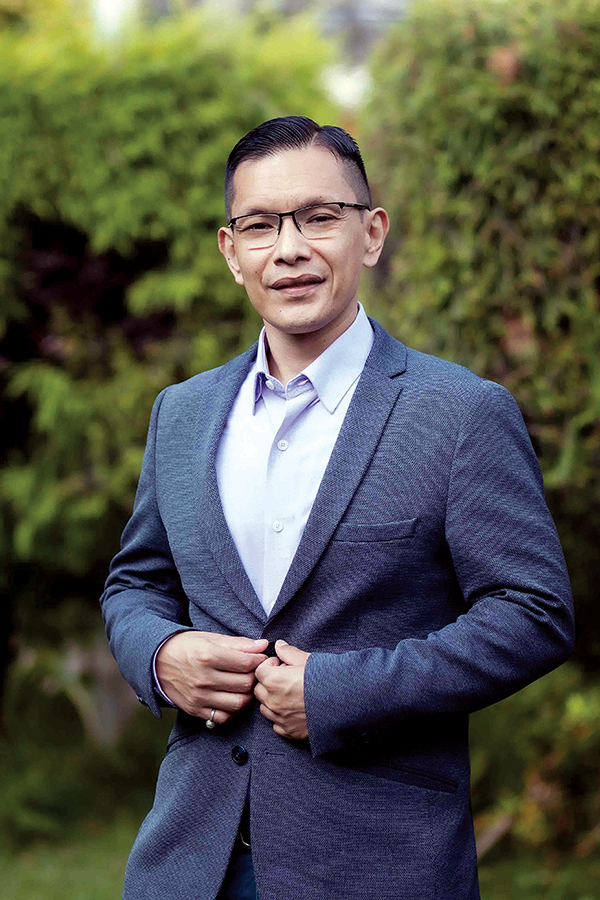
DEBESH SHRESTHA, Co-founder And Chief Operating Officer, Zelda Security
Responsible leadership is not about having all the answers; it is about having the courage to make thoughtful decisions when the answers are not always clear. In cybersecurity and GRC, uncertainty is part of the job, we constantly manage risks we cannot completely eliminate. I have learned that the same principle applies to business and life. A responsible leader creates clarity without pretending to have certainty. They communicate honestly, take accountability for difficult decisions, listen to people around them, and remain willing to pivot when circumstances change.
For Nepal, especially at a time of significant social, economic and institutional transition, I believe leadership must be grounded in integrity, transparency and long-term thinking. We need leaders who build trust rather than demand it, develop people rather than simply direct them, and see uncertainty as an opportunity to build stronger institutions. Ultimately, leadership is not about controlling the future. It is about taking responsibility for shaping it.
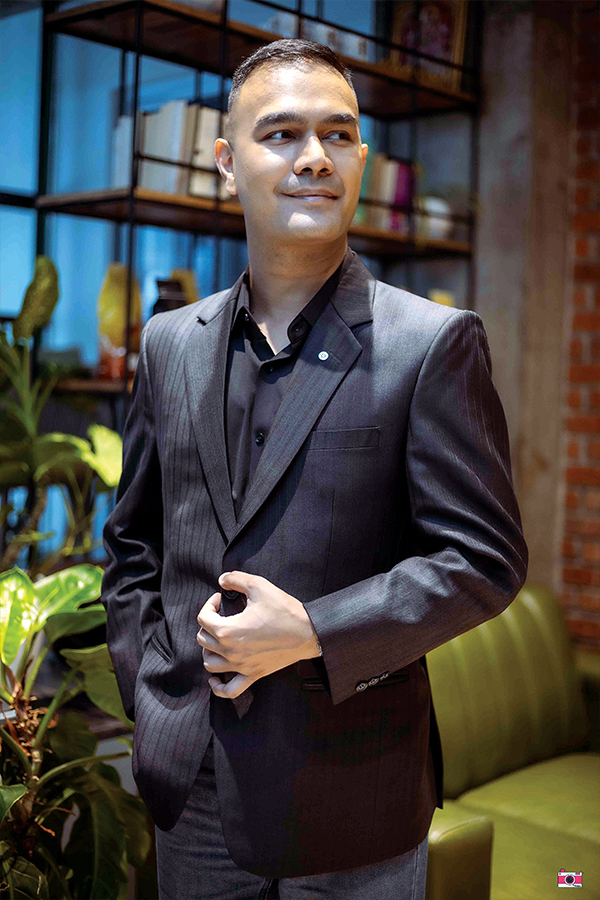
SASWAT KARKI, Officer, Learning and Development, Nabil Bank & Secretary, Rotary Club of Kathmandu
When everything around you is uncertain, ‘responsible’ leadership is shown simply through one’s behaviour and showing up for your people, especially during challenging times. It’s okay not to have every answer and pretending you do, usually works against you. Instead, real leadership is anchored in consistency, a steady calm, active listening and personal discipline. More than any title, how we treat others with fairness, transparency and equality matters most because positions are temporary, but how we make people feel is what lasts. It’s about trading rigid control for genuine human connection.
When the ground is shifting, a leader’s true role is to create a safe space where people feel heard, valued and trusted. We move forward by focusing on what can be done today, keeping communication open and remembering that we are navigating the storm side by side. Chaos isn’t meant to be fought in isolation, it’s a chance to lean on one another and emerge tougher as a responsible leader.

SIDDHARTH TANDUKAR, Co-Founder, ZOTO & Mr.Waffles
Building for Nepal is tough, not only for the political and social reasons but also because of the small market the country has to offer. We are also prone to natural disasters, have no access to the sea and are sandwiched between two giant powerhouses. But do we really have time to look down upon ourselves like that?
Who will the country rely on if the youth start giving up? Despite all the shortcomings, the one thing I think Nepali people have abundance of, is heart. This has been our top export for decades in the form of the British gurkhas, the Saudi workers and the academic scholars. Other countries need them to fight the battles they never could. The day Nepal realises, and retains all that heart and talent for its own, is the day we will finally have won. Until then, we do what we can and wait for a better tomorrow.