Four voices on empathy, service and solidarity
Disasters are measured in numbers: lives lost, homes destroyed, roads severed, families displaced. But behind those statistics is another story, one of people who choose to step forward when circumstances are at their worst.
In the aftermath of the devastating floods and landslides that struck Nepal, help came in many forms. Some collected relief materials and travelled to affected communities. Others mobilised their networks, raised funds or used their platforms to draw attention to those who needed support. Some arrived from halfway across the world. And some recognised a need that can easily be overlooked amid the urgency of rescue and relief: the psychological and emotional consequences of surviving a disaster.
Sanya, Bibid, Angereen and Gopal came to the crisis from very different backgrounds, but their experiences converge around a deceptively simple idea: you do not need extraordinary power or privilege to make a difference. What matters is the willingness to begin.
Their stories also challenge some of the assumptions surrounding volunteering. Service is not necessarily about grand gestures, nor should it centre the person providing the help. It can mean listening before acting, working alongside communities rather than deciding for them, contributing a skill, connecting people to resources or simply being present when someone feels they have lost everything.
Perhaps most importantly, their experiences raise a question that extends far beyond a single disaster: what does it mean to be part of a society when someone else is suffering?
In this conversation, four individuals reflect on what compelled them to act, what they learned on the ground, the people who inspired them, and why compassion becomes most meaningful when it is translated into action.
What made you feel the need to contribute during this crisis?
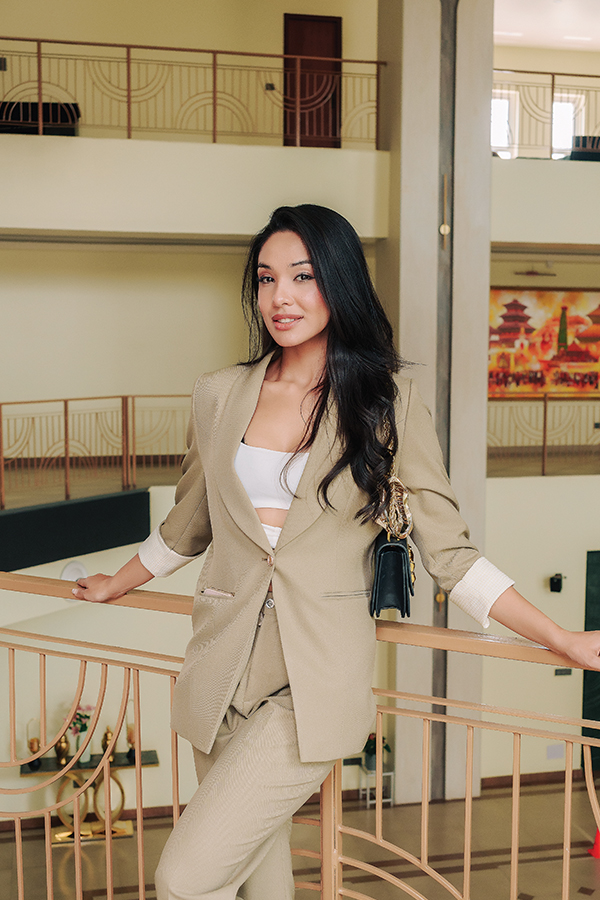
Sanya Adhikari
Miss Universe Nepal 2025
Sanya: I think it comes down to empathy. When you see people going through something so difficult, especially families who have suddenly lost their homes, belongings or loved ones, it becomes very difficult to just sit back and watch.
I have always believed that if you have the ability to help someone, even in a small way, you should try. It doesn’t always have to be something big or dramatic. Sometimes it can simply be giving your time, sharing what you have or being there for someone when they need support.
My work and advocacy around children have also made me especially sensitive to situations where children are affected. As part of my Miss Universe Nepal advocacy, I have been working with the ILO throughout the year on my social advocacy project focused on ending child labour. So, when I saw how many children were being affected by the floods, it felt very personal to me.
I think in moments like these, the most important thing is to ask yourself, “What can I do?”
Bibid: We always hope that disasters such as the Rasuwa flood never happen but unforeseen circumstances and natural disasters are beyond our control. As part of the same society, the crisis someone else faces today could reach our own lives tomorrow, because pain and suffering are something we all share.
When I saw the situation in Rasuwa and the surrounding areas, I felt that I could not simply remain a spectator when I had a platform and a community that could do something to help. I believe that if we do not stand by others in their time of need, then who will stand by us when we face a crisis ourselves?
Angereen: When I heard about the floods and landslides in Nepal, I was travelling elsewhere in Asia. I knew I was close enough to get there quickly, so I didn’t want to simply watch everything unfold from a distance.
Through The Murph Foundation (TMF), we were able to respond quickly. We booked a flight and landed in Nepal within 48 hours of the disaster. What made me want to contribute was knowing that I could physically be there and do something, even if it was small.
I was not going there thinking I could solve the crisis. I simply wanted to understand what was needed and help in whatever way I could. Once we arrived, TMF connected with local people and organisations to understand where support was most needed. We focused on getting essential supplies, medicine, clothing and water to affected communities.
For me, travelling has always been about more than seeing new places. If I can use my time, platform and resources to make a place better than I found it, I genuinely would.
Gopal: I felt that this was both an opportunity and a time when our contribution was genuinely needed. Through the Centre for Mental Health and Counselling Nepal (CMC-Nepal), we had the opportunity to do something meaningful for people who were going through a very difficult situation.
In the first few days, four of us went to the affected area, and eventually our team grew to more than 22 people. The situation was extremely unpredictable, but we felt that if we had the ability to help, we should be there.
We had also been involved in psychosocial counselling during previous crises, including the Jajarkot earthquake and the Covid-19 pandemic. That experience made us realise that during a disaster, support is needed not only physically but mentally and emotionally as well.
One area that I feel is often overlooked is mental health. When people have gone through something horrifying and traumatic, psychosocial support becomes very important. There needs to be community integration, attention to children’s psychology and, especially, mental-health support for pregnant women. These are areas that also need to be considered when responding to a disaster.
Did you know that you would impact so many people?
Sanya: Honestly, no. My intention was very simple: I wanted to help in whatever way I could, not to seek recognition. I was following the news and seeing families losing their homes and communities facing so much uncertainty. At that point, you don’t really think about how many people will notice you. You just think, “How can I help?”
I initially donated a few things myself to different places that were collecting relief materials. But I also really wanted to go to the affected areas personally. I wanted to see the situation with my own eyes and help on site. The problem was that I didn’t know where to start or how to reach the affected communities.
So, I started reaching out to different NGOs myself, and that’s how I connected with Astitwa Nepal. They had been consistently working with burn victims and were also willing to support flood-affected families. I decided to collaborate with them because I wanted to do more than just donate.
With the help of Astitwa Nepal, we started collecting relief materials, and after a week we had received enough support to visit the site, collaborating with the Nepal Army to provide the supplies.
When I finally visited the site, it was devastating. There were 74 children who had lost their mothers and fathers. Some of them were literally saying, “I have no one. Take me with you.” Hearing that broke my heart.
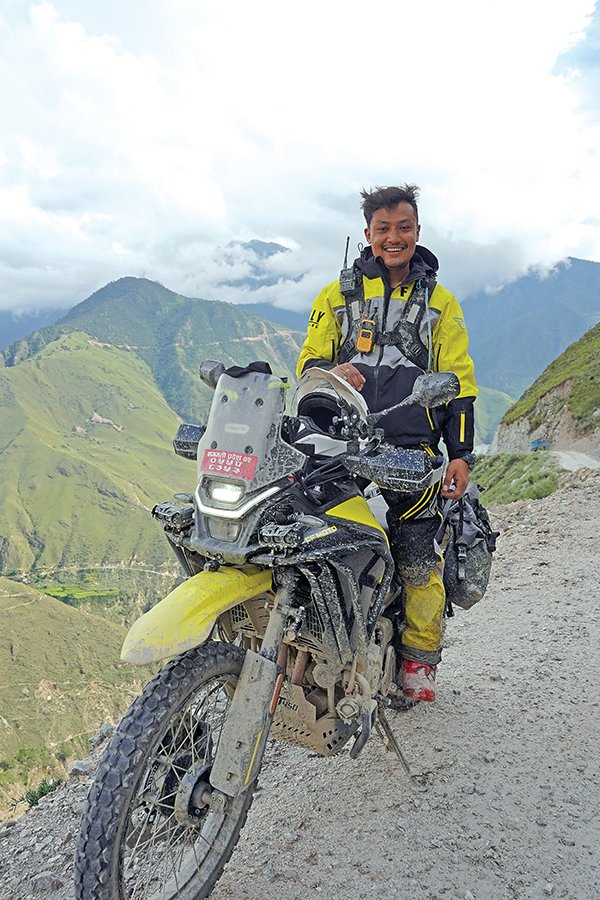
Bibid Jung Thapa (MRB Vlog)
Moto/travel Vlogger and YouTuber
Bibid: For me and my team, it was never about how many places our work reached or how many people noticed it. What mattered was being available to the people who genuinely needed help and doing whatever we could for them.
That motivated us to use our digital platform and bring together fellow riders and supporters to mobilise donations and collect essential supplies and financial assistance for families affected by the disaster in Rasuwa, Nuwakot and Trishuli.
I consider that a responsibility we all share as members of the same society. During the Rasuwa flood, my focus was simply on responding to that need. I remain mentally prepared to serve society and will continue to do so.
Angereen: Honestly, no. When we first decided to help, our focus was simply to understand what people needed and get those resources to them. We weren’t thinking about how many people would see our posts or how far the story would travel.
Sharing what was happening in Nepal through social media allowed people outside the country to understand the situation and, for some, to become part of the response by donating or sharing the fundraiser. That was something I didn’t expect.
It reminded me that impact doesn’t always come from one huge action. Sometimes one person sharing a story can lead to another person donating, which can eventually help someone on the ground. I was simply documenting what we were experiencing, but seeing people from different places come together to support communities in Nepal was incredibly meaningful. It showed me how much can happen when people choose to care.
Gopal: Honestly, I never imagined that my actions would reach so many people. Through psychosocial counselling, our intention was simply to help, even if we could make a difference in someone’s life in a small way.
For us, it was never about reaching a particular number of people. We just wanted to support those who were going through a difficult time. I am simply happy and grateful that I was able to help in whatever way I could.
Do we need power or money to create impact?
Sanya: I don’t think you need power or a lot of money to create an impact. Of course, having resources helps a lot, but I think the most important thing is genuinely wanting to do something.
In fact, during the floods, I didn’t have a clear idea of how I could reach the affected areas. I just knew that I wanted to help. So, I started reaching out, asking questions, contacting organisations and eventually finding a way to get there.
Sometimes impact is simply donating what you can. Sometimes it’s giving your time, using your skills, connecting someone to the right people or even using your voice to bring attention to an issue.
I also think this is especially important when we talk about children. Through my Miss Universe Nepal advocacy, I have been working with the ILO, the Miss Universe Organisation’s social-cause partner, to raise awareness around ending child labour. It has taught me that creating change is not always about having a huge platform. It’s about being consistent and genuinely invested in the issue.
You don’t need to be powerful to make a difference. You just need to care enough to start.
Bibid: I don’t think money or power is necessary to create an impact in society. What matters is understanding the seriousness of a situation, feeling it emotionally and making the right decision at the right time.
When we have strong determination and approach a situation with a sincere heart, other things gradually come together. There are many compassionate people who want to help but cannot reach those affected themselves. They need people with the determination to act as a bridge and make sure their support reaches the right place.
That is why we should contribute whatever we can and bring together people with the same intention to work for those affected by disasters. We need to genuinely feel the pain of others. When we truly feel that pain, resources are rarely a limitation. Even a small, selfless contribution can help make a larger effort more organised and effective.
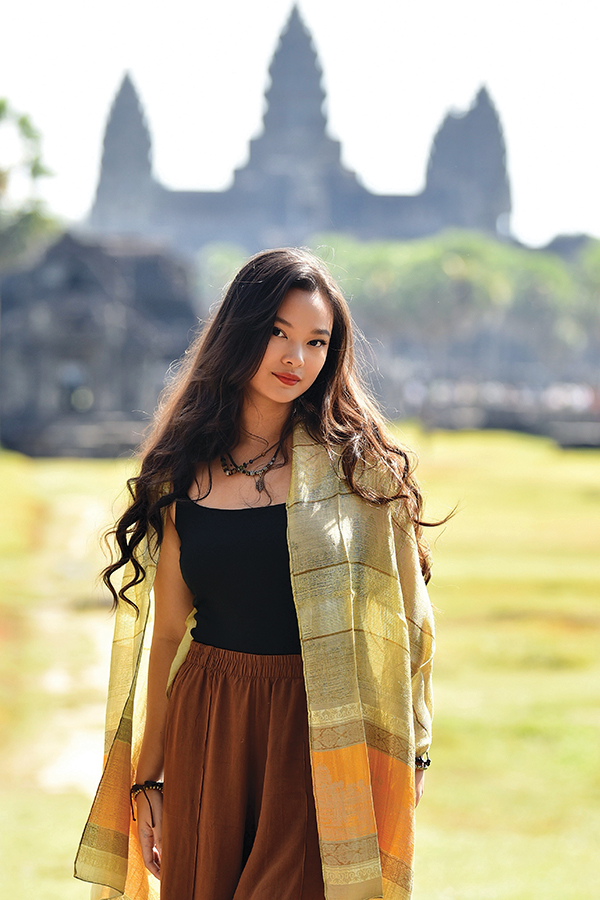
Angereen Nicole Sy
Filipino Solo-Adventure Travel, Content Creator
Angereen: I don’t think you need to be powerful or wealthy to create an impact. Money can obviously help, especially during a crisis when people urgently need medicine, food, water, clothing and other supplies. But impact can also come from your time, your skills, your voice or simply being willing to help.
During our time in Nepal, we met people doing important work in ways that might never make the news. Some were distributing supplies, helping at hospitals, sharing information or finding ways to reach isolated communities.
I think the important thing is not waiting until you have “enough” to help. Start with whatever you have. Even using your platform to bring attention to a situation can connect people to resources and opportunities to help. You may not always be the person physically delivering aid, but you can still help connect people, amplify a cause or make someone else’s work possible.
Gopal: Both money and power can be needed to accelerate certain actions. Having resources can certainly make it easier to respond quickly and reach more people. But I don’t think money or power alone creates an impact.
At its core, creating an impact is about willingness, motivation and inspiration. If you genuinely want to help and are motivated to do something, you can still make a difference with whatever resources are available to you.
What is one thing you wish people understood about volunteering?
Sanya: I wish people understood that volunteering isn’t about being a hero. It’s about showing up. When I first wanted to go to the flood-affected areas, I honestly didn’t know where to start. I wanted to help, but I didn’t know how to reach the people who needed it or what would actually be useful. That’s when I realised that sometimes the best thing you can do is ask, learn and work with people who are already on the ground.
I think volunteering also requires humility. When someone has lost their home or their family, the focus shouldn’t be on the person helping. It should always be on the person who needs help.
For me, it also means staying involved beyond the immediate crisis. The news eventually moves on, but the people affected still have to rebuild their lives. I saw this very clearly when I visited the flood-affected site. There were children who had lost both their parents and were under the supervision of the Nepal government, local police and army. Seeing them made me feel that there is so much more we need to do for them.
That experience made volunteering feel less like an act and more like a responsibility.
Bibid: People who have lost everything in a disaster are often completely exhausted, both mentally and physically. At such times, wherever there is a human settlement, every active citizen should have a spirit of service.
Volunteering is not something that should only be done during a particular situation or disaster. It is part of human character. We should develop the feeling that we need to be ready to support our communities regardless of the circumstances.
The recent disaster in Nepal has taught us that every citizen should learn basic things such as first aid, physical preparedness and general technical knowledge beforehand. Through WOW, I would like to encourage everyone to always be ready to serve as a “physical volunteer” wherever they are. I myself will continue to work further in this area in the future.
Angereen: I wish more people understood that volunteering isn’t always about being the person who saves the day. Sometimes, it’s about listening first and understanding what a community actually needs.
When you’re coming from somewhere else, it’s easy to assume you know what would be helpful. But the people living through the situation understand their needs best. During the crisis in Nepal, we relied heavily on local guidance to understand where help was needed and how we could contribute without getting in the way.
You also don’t have to travel somewhere far away to volunteer. You can help in your own community, donate your skills, share important information or support organisations already doing the work.
To me, volunteering is about showing up, listening and helping where you’re actually needed.
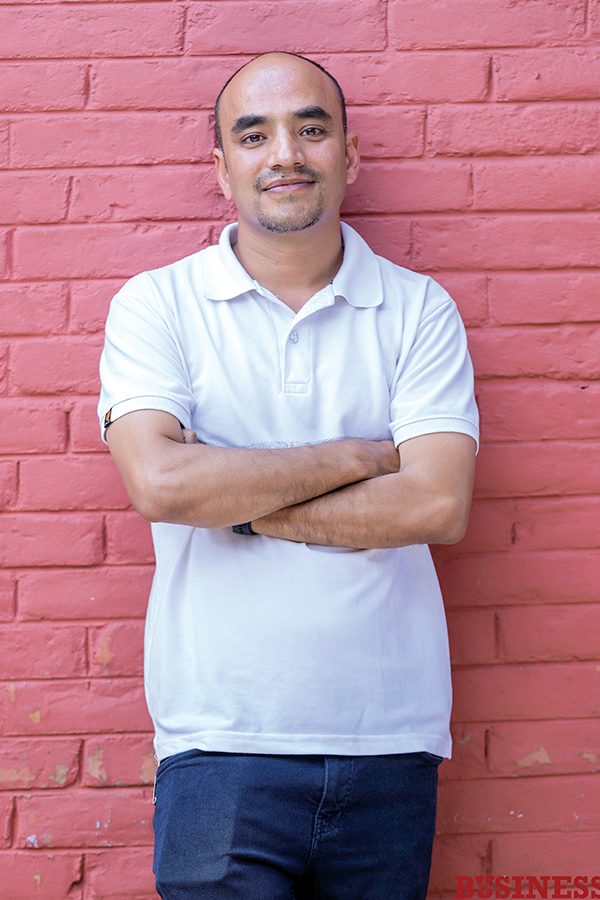
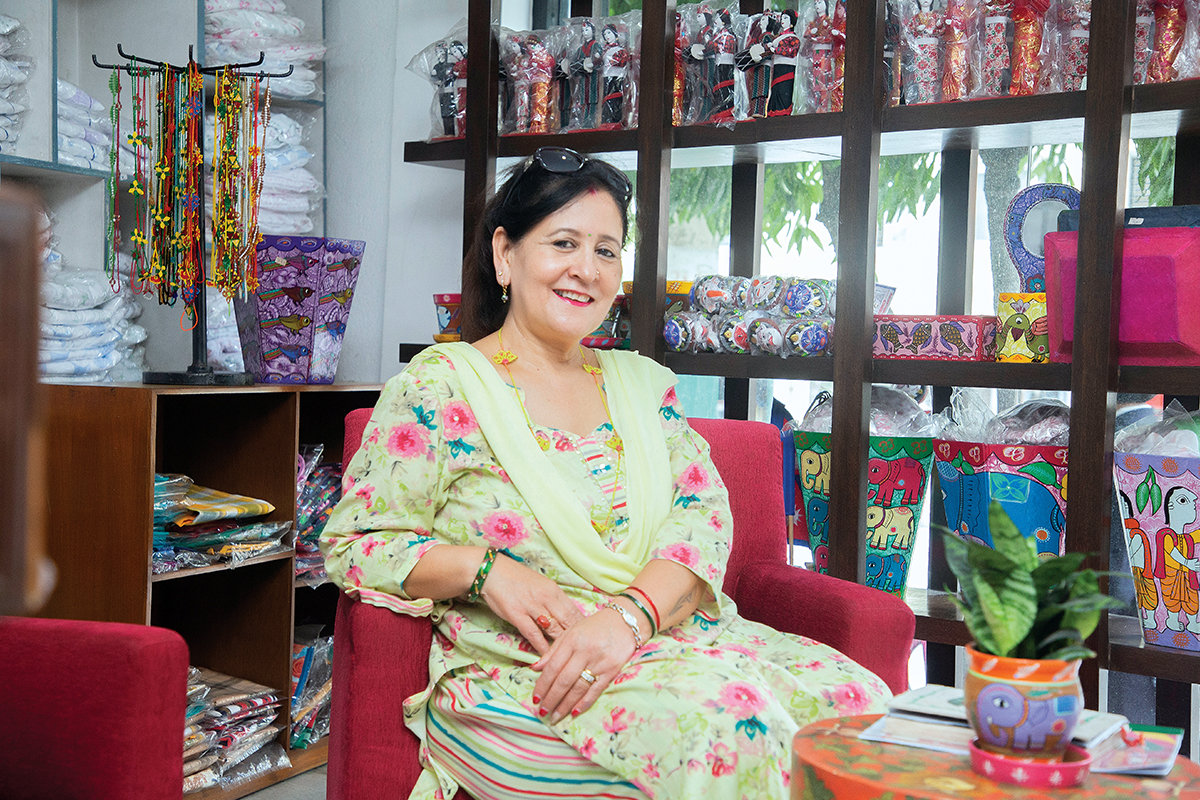
Gopal Bohara
Psychologist Supervisor, Centre for Mental Health & Counselling Nepal (CMC-Nepal)
Gopal: I wish people understood that volunteering should not be about receiving praise or recognition. Sometimes people expect that after doing something, they will be named, praised or even awarded for it. But I don’t think that is what volunteering is about.
Volunteering is something you do from your heart, even when you are not expecting anything in return. It is about helping other people because you genuinely want to, not because you are looking for recognition. For me, that willingness to help without expecting something back is what makes volunteering meaningful.
Text: Bijaya Shiwakoti