In a country often divided by political ideology, regional interests and competing identities, sports and mountaineering offer something different: a shared sense of pride. From athletes competing under Nepal’s flag to climbers carrying the nation’s name to the world’s highest peaks, their achievements can transcend political affiliation and bring people together.
But can they truly unite a nation better than politics? We asked our respondents to share their views on whether the power of collective achievement, national pride and sporting ambition can create a stronger sense of unity than political rhetoric and leadership.
Why are stories of athletic excellence and mountain summits often remembered longer than political victories?
Scores, records, and mountain summits do not lie; they are the result of discipline, hard work and determination, with no shortcuts. People can see and identify with that journey, which makes the pride associated with such achievements feel more genuine and universal.
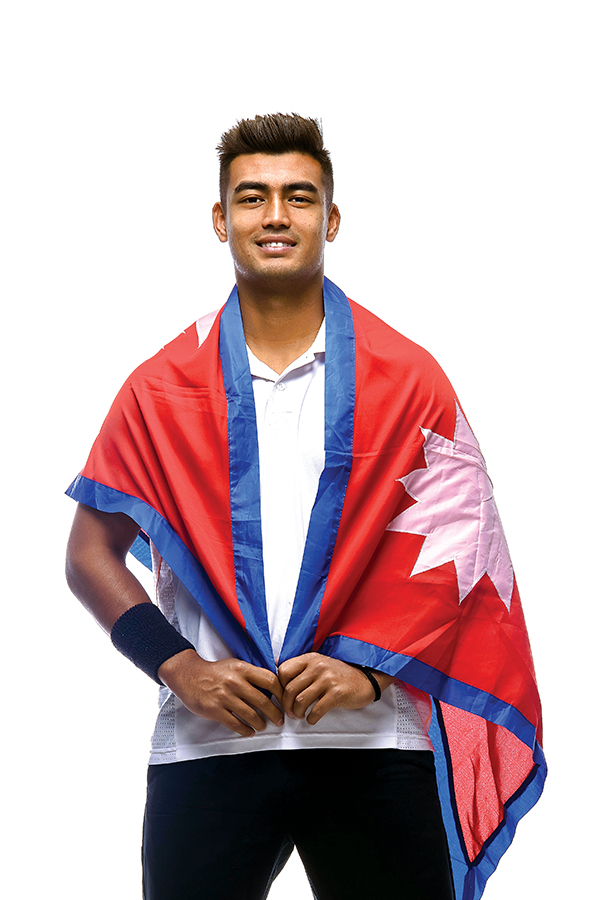
Abhishek Bastola
First Professional Nepali Tennis Player To Receive An ITF World Ranking
Abhishek: Achievements and victories rooted in values, ethics, perseverance and sheer hard work tend to leave a lasting impression. Politics, on the other hand, is often seen as a more complicated and subjective field, where it is difficult to meet everyone’s expectations. Athletic achievements have a clear and measurable outcome. Scores, records, and mountain summits do not lie; they are the result of discipline, hard work and determination, with no shortcuts. People can see and identify with that journey, which makes the pride associated with such achievements feel more genuine and universal.
Maya: I think that human struggle is what makes these stories memorable. Political victories can change, and people may have different opinions about them. But when someone achieves something through years of hard work, sacrifice, fear and determination, that story stays with people.
As a mountaineer myself, I know that reaching a summit is not just about succeeding. It represents all the training, exhaustion, failures, and moments when you doubt yourself. It shows what a person can accomplish through discipline, courage and perseverance. The younger generation can be inspired and believe that difficult things are possible. It is not only the individual’s achievement but also Nepal’s relationship with the mountains. They are part of our history and identity.
Aman: An athlete spends a lifetime training, often from a very young age, knowing that age and physical challenges may eventually limit their career. Being a sportsperson is not a comfortable profession; it demands passion, commitment, discipline and endurance. Yet, because of the dedication, sacrifice it requires and the gravity it holds, the respect for an athlete comes naturally.
When an athlete steps onto the field, they are not only fulfilling their own dream but also carrying the dreams of many, those who look up to them. In those moments, caste, religion or background do not matter, the only thing that matters is that they are Nepali. That shared identity creates a powerful sense of collective pride and respect which is why the stories of it are remembered longer.
Sharmila: Athletic excellence, mountaineering and the stories of it are immortal and live on for years to inspire young generations. Athletic excellence is often more unifying. People from different political backgrounds can admire an extraordinary performance. A national team winning an important competition, for an instance, can create a shared feeling of pride. When someone achieves something extraordinary while representing Nepal, it becomes a shared pride, memory and achievement rather than belonging to one political group. An athlete is representing a country, its people and its history.
Sports and mountaineering inspire national pride but is the nation doing enough to support the athletes and climbers behind these achievements?
Abhishek: I don’t think Nepal is doing enough to support the athletes who represent it. The Nepal Tennis Association exists largely for the sake of having one, without fully recognising how valuable my achievements can be for the country. I have been the best player to hold a tennis racket for Nepal, yet I have not received a single penny.
When I studied in the US, I saw how seriously the West values sport and talent, and how resources are invested when sport is treated as a priority. I have represented Nepal since 2011, I have helped Nepal remain undefeated at No. 1 singles in the Davis Cup, known as the World Cup of the tennis world with a 6–0 record. I have grown to understand my potential, but I don’t think the country I represent has recognised it. My parents invested heavily in my career, and I now support myself financially. When I played my first Davis Cup match in Bahrain, I was very sick and playing in intense heat. I eventually passed out on court, but still won the match because, when I play for Nepal, I am playing for something bigger than myself. Yet, the next day, I had to wash my t-shirt to wear it again because Nepal had given me only two. When I compete internationally, I see players of a similar level receiving salaries and benefits. I have asked for the support I believe I deserve, but Nepali tennis still has a long way to go. Perhaps part of the problem is cultural; tennis simply does not receive the same attention as cricket, football or combat sports.
Maya: I think there is still a significant gap between celebrating achievements and supporting the people who make them possible. Mountaineering requires expensive equipment, training, preparation, safety measures and a huge amount of physical and mental commitment. Many climbers have to find their own financial support or rely on sponsors. There are also risks that climbers and guides take every time they go into the high mountains. Lifetime injuries are a very real possibility in mountaineering, and for some climbers, an injury can mean losing their ability to work altogether. Many of them are the primary breadwinners of their families, so a serious injury can affect the financial security of the entire household.
The nation needs to make stronger policies and provide long term support systems for climbers. The next generation will naturally look for secure and stable careers, and they may hesitate to choose mountaineering if they feel that the risks are not adequately supported. Since mountaineering is inherently dangerous, climbers should have access to proper insurance, healthcare and medical support, safety equipment, and financial assistance in case of accidents or long-term injuries.
Aman: I doubt that the nation is doing enough to support its athletes and climbers. Sports and mountaineering are passion driven fields that demand years of time, effort, discipline and sacrifice.
These athletes are not only pursuing their own dreams, they are carrying our country’s name, flag and national anthem to the world. When an athlete succeeds, Nepal gains recognition, respect and even economic opportunities. While the country benefits from these achievements, what are the athletes receiving in return?
If Nepal wants to be recognised and represented on a much wider international platform, it is time to invest seriously in its athletes and climbers. We can imagine the pride of seeing Nepal’s name, flag and national anthem represented at the Olympics, watched by athletes from across the world and millions of people globally. That moment may be achieved by an individual athlete, but the journey behind it cannot be theirs alone. The nation has a responsibility to create the support, opportunities and security that allow its athletes to reach that stage. Their victory may be a result of their hard work and talent, but the pride belongs to an entire country and the country must also play its part in making that victory possible.
Sharmila: Some contributions have been made but I do not think it is enough yet. Adventure sports require serious commitment, training and investment. For instance, paragliding needs expensive equipment, requires travel and maintenance of the necessary safety measures with continuous training. Athletes should have access to proper training, equipment, coaching, insurance, safety systems which is not enough to the present day. There are many potential destinations for paragliding beyond Pokhara as well. If we invest in developing proper infrastructure, safety measures, and designated take-off and landing systems, paragliding can offer a lot to the country and its tourism sector.
How has sports and mountaineering given you a sense of national belonging?
Abhishek: Representing Nepal has been a great honour. I feel most connected to my identity when I am on the court and my name is attached to the country I come from. As athletes, we cannot fake our emotions on the court; what you see is what you get. There is an honesty in that which makes representing Nepal feel deeply personal.
With politicians, people can become disappointed when their true colours eventually emerge. In a way, politicians are employees working for the people. As athletes, however, we carry the name of our country forward through our own efforts. Every time I step onto the court representing Nepal, I feel that responsibility and pride.
Reaching a summit is not just about succeeding. It represents all the training, exhaustion, failures, and moments when you doubt yourself. It shows what a person can accomplish through discipline, courage and perseverance. The younger generation can be inspired and believe that difficult things are possible. It is not only the individual’s achievement but also Nepal’s relationship with the mountains. They are part of our history and identity.
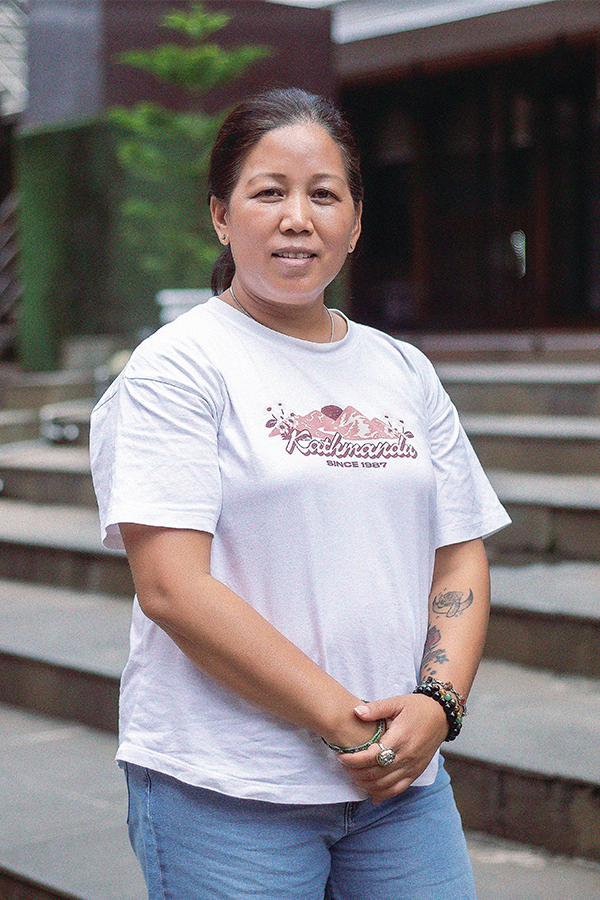
Maya Sherpa
Member Of The First Nepali Women’s Team To Summit K2 In 2014, First Nepali Woman To Climb Ama Dablam, Pumori, Cho Oyu, & Baruntse
Maya: I was a weightlifter way back then and I have always been drawn to fields where women’s presence has traditionally been low. I think there is something empowering about stepping into spaces where women are still underrepresented and showing that we are equally capable of taking on the challenges. There can be doubts from family and society, questions about safety, and the expectation that women should choose more conventional or secure paths. Financial and social security comes at stake with choosing a demanding profession. But I never gave up.
Later, I started mountaineering and started making a name for myself and, with that, began building some financial independence as well. I also started feeling a much deeper sense of belonging to the Nepali community. I was able to contribute to Nepal’s identity through mountaineering.
Aman: When an athlete wins a competition or represents Nepal on an international stage, they carry the name of their country with them. The sense of belonging works both ways. The audience feels connected to the athlete, while the athlete feels connected to the people supporting them, because their representation is ultimately about Nepal and the Nepalese community. The same is true in mountaineering. Nepal is blessed with some of the world’s highest and most remarkable mountains, attracting climbers from across the globe, and Sherpas have played an invaluable role in guiding and supporting them. Although these achievements may begin with an individual athlete, climber or a particular community, the pride they create extends far beyond them. Ultimately, the achievement becomes a shared accomplishment and a source of pride for the whole nation.
Sharmila: For me, paragliding has created a very strong connection with Nepal. When I fly above our landscapes, looking at the mountains, hills, valleys and Nepal’s beauty, it feels phenomenal. When I am piloting a paraglider and see a passenger experiencing Nepal from a different perspective, it gives me an indescribable sense of joy. It is more than just flying; it is about sharing a part of experience. At that moment, I deeply feel connected to Nepal and it gives me a strong sense of belongingness. Everytime, I fly, it reminds me of the diversity and the history Nepal has offered us.
Should countries financially invest more in sports and adventure achievements as tools for building national pride rather than in political agendas?
Abhishek: Definitely. There are very few resources available to athletes right now, and I think we need to shift our focus towards supporting them. Support should not just mean congratulating athletes after they achieve something; it needs to be provided where it matters most, particularly financially. Another challenge is the Nepali passport. For someone who has to travel frequently while representing the country, it has created a lot of hurdles. I hope the country looks into these issues and considers how they affect athletes competing internationally. Sports are also crucial for young people to have role models they can look up to. Investing in athletes can encourage healthier lifestyles, inspire the next generation and even contribute to tourism by showcasing Nepal and its potential on an international platform.
Maya: I strongly believe that greater investment in sports and adventure would have a long-term impact on national pride and international recognition. To make a nation more recognisable internationally and help the country move forward, greater investment in sports and mountaineering is essential. If an athlete or climber is injured or loses their life, there should be a system to ensure that their families are financially supported and not left to struggle. There should also be long term support for athletes as they grow older, especially when injuries, age-related weakness or illness affect their ability to work. Providing healthcare, insurance, financial assistance and proper facilities would give athletes a sense of security and dignity beyond their active careers. Most importantly, such support would encourage the younger generation to pursue their dreams and believe that they can build meaningful careers in their own country without having to look elsewhere for opportunities.
When an athlete steps onto the field, they are not only fulfilling their own dream but also carrying the dreams of many, those who look up to them. In those moments, caste, religion or background do not matter, the only thing that matters is that they are Nepali. That shared identity creates a powerful sense of collective pride and respect which is why the stories of it are remembered longer.
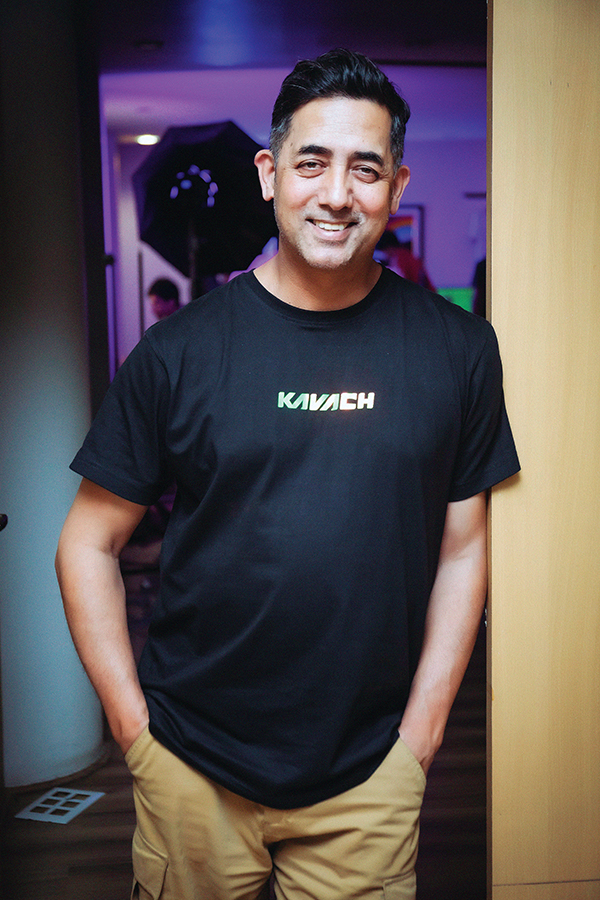
Aman Pratap Adhikari
Nepali Television Director, Producer, Presenter, Reality-Show Creator, Documentary Director, & Sports Personality
Aman: A country needs political and social development, but investment in sports and adventure should also be treated as an important part of national development. Sports can bring people together, create opportunities for young people and give a country a positive identity internationally. I truly believe the country needs to invest more seriously in sports and mountaineering. We already know that Nepal is gaining international recognition through the achievements of our athletes, climbers and adventure sports personalities, so it is time to recognise the value of that contribution and invest in it accordingly. The younger generation is increasingly drawn towards sports, and we need to create an environment where they can pursue those interests professionally.
For that to happen, sports cannot be treated as a secondary priority. I also believe Nepal would benefit from having a separate ministry dedicated solely to sports, rather than having sports combined with other sectors under one ministry. A dedicated ministry could focus entirely on developing athletes, improving infrastructure, providing proper training and creating long term policies for sports and mountaineering. If we genuinely want to see progress, we need dedicated attention, proper investment and a system that allows sports to grow independently.
Sharmila: I think countries should definitely invest more in sports and adventure, although I do not necessarily see it as a question of choosing sports over politics. Both have different purposes. But I strongly believe that sports and adventures deserve more investment than they currently do. A Nepalese paraglider flying internationally can introduce Nepal’s mountains, culture and identity. When we invest in athletes, we are also investing in the country’s image, tourism industry and future generations. It encourages young people to be more ambitious. Sports can create very direct and positive connections between people.
Nepal’s identity is almost always based on mountaineering, what other aspects can be explored to create a different narrative of national pride?
Abhishek: We need more young leaders across all fields. We are the future, and young people should have a stronger presence in positions where they can shape the country’s direction. Encouraging more young entrepreneurs would also be valuable, particularly in protecting and showcasing Nepal’s abundant resources. Adventure tourism is already well established in Nepal, but I think we need to take a stronger lead in how we present and promote it. Westerners still benefit significantly from promoting Nepal to the world, when we should be doing more of that ourselves and having greater influence in the field. We should also invest in our creative fields, including art, media, filmmaking, and video editing. These are ways of carrying our heritage forward while embracing modern thinking.
I think there needs to be a balance between staying rooted in what makes Nepal unique and developing a contemporary outlook. We also have the potential to strengthen other sectors. Nepal’s medical schools, for instance, are already quite good, and we could invest in expanding and improving them further, as other countries have done. Building excellence in fields such as entrepreneurship, medicine, tourism and the creative industries would allow Nepal to develop a broader identity beyond mountaineering.
Maya: Nepal is a unique country and there is so much that contributes to national pride. Diverse landscapes, multi-cultural, multi-lingual, medicinal herbs, biodiversity and we are proud of it. It is also a country with a rich spiritual, cultural heritage and also the birthplace of Lord Buddha. These are all parts of Nepal’s identity that we can celebrate and share with the world. We can promote our culture, spirituality, natural resources and history to make our country internationally recognisable.
Aman: Mountaineering has contributed immensely to Nepal’s national pride, particularly since the historic achievement of Edmund Hillary and Tenzing Norgay Sherpa. Other aspects that can be explored to create a different narrative of national pride are literature, art and history. Nepal has produced remarkable literary figures such as Mahakavi Laxmi Prasad Devkota and many other writers whose works reflect the depth of our society, emotions and culture. If more Nepali literature were translated into English and other international languages, it could introduce Nepal’s literary richness to a much wider audience.
Similarly, the art and traditions of Nepal’s different communities each have their own beauty and identity. Our history is equally diverse. The Kathmandu Valley, the Himalayas and the Terai each have distinct histories, cultures, traditions and ways of life shaped by their communities.
When we invest in athletes, we are also investing in the country’s image, tourism industry and future generations. It encourages young people to be more ambitious. Sports can create very direct and positive connections between people.
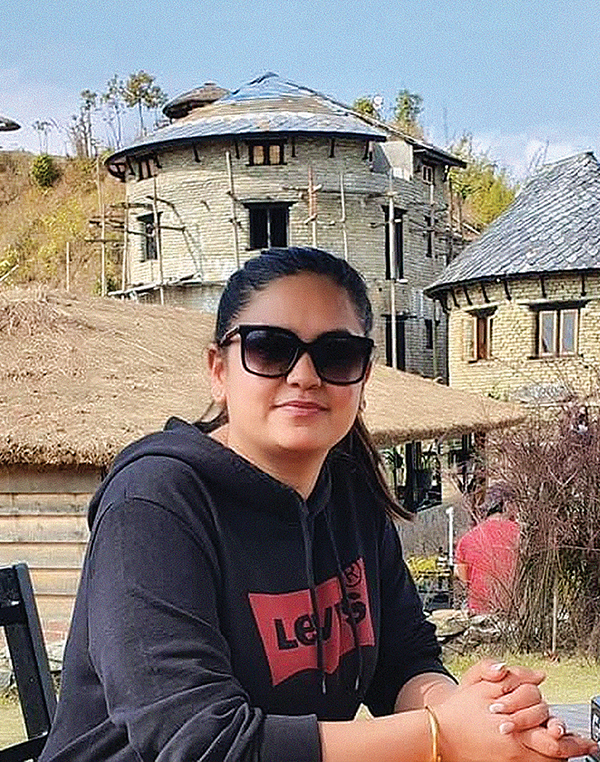
Sharmila Sharma
Nepali Paragliding Pilot, Adventure-Sports Entrepreneur & Female Aviation Pioneer
Sharmila: Mountaineering is an important part of Nepal’s identity, but Nepal has more to give. For Nepal, other adventure sports can also have wider impacts. Paragliding, rafting, bungee jumping, ziplining, skydiving, canyoning, mountain biking, rock climbing, jungle safari and many more. I would love to see Nepal getting recognised as a country of adventure and exploration. Along with that biodiversity and diverse communities are equally important parts of our identity. Nepal has distinct landscapes, the himalayas, the hills and the terai plains, each with its own natural beauty, culture and possibilities for adventure and tourism.
Text: Kreenjala Pyakurel/Bijaya Shiwakoti
Photos: Sanjay Maharjan