It almost feels as though a portal to the unknown has opened, wielding such force, demanding life.
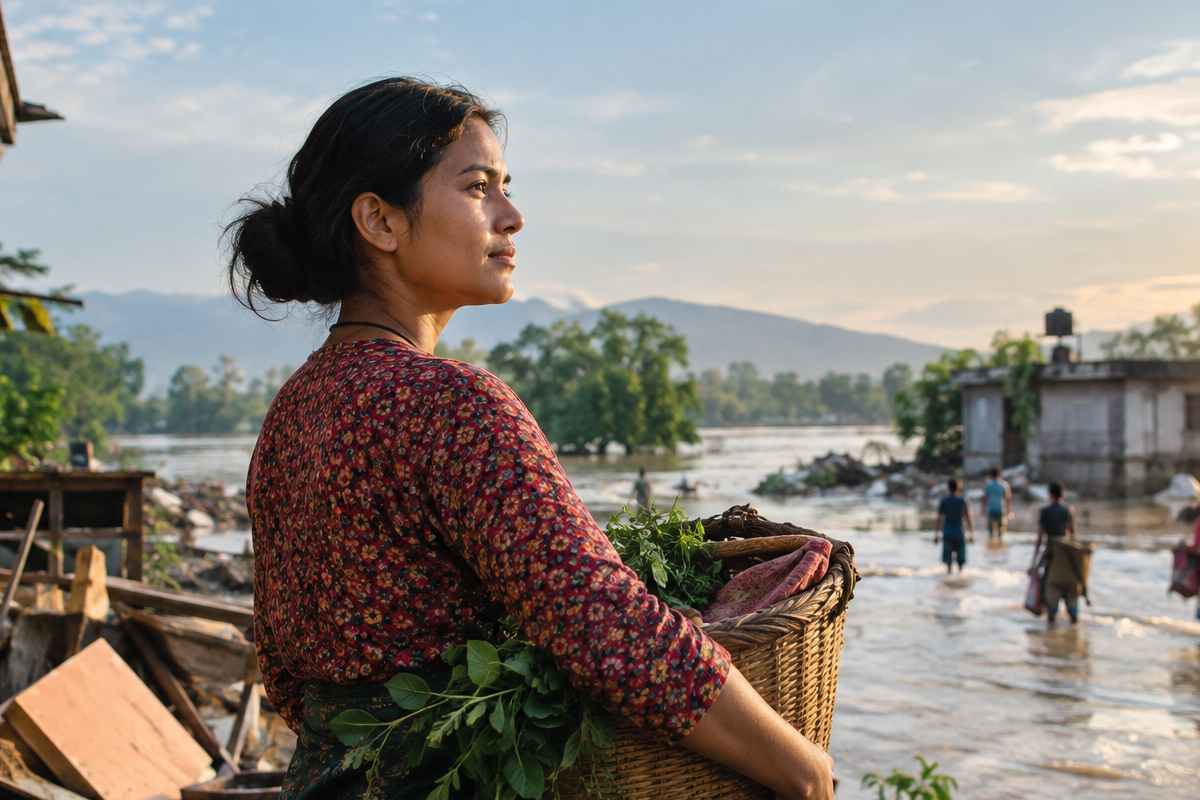
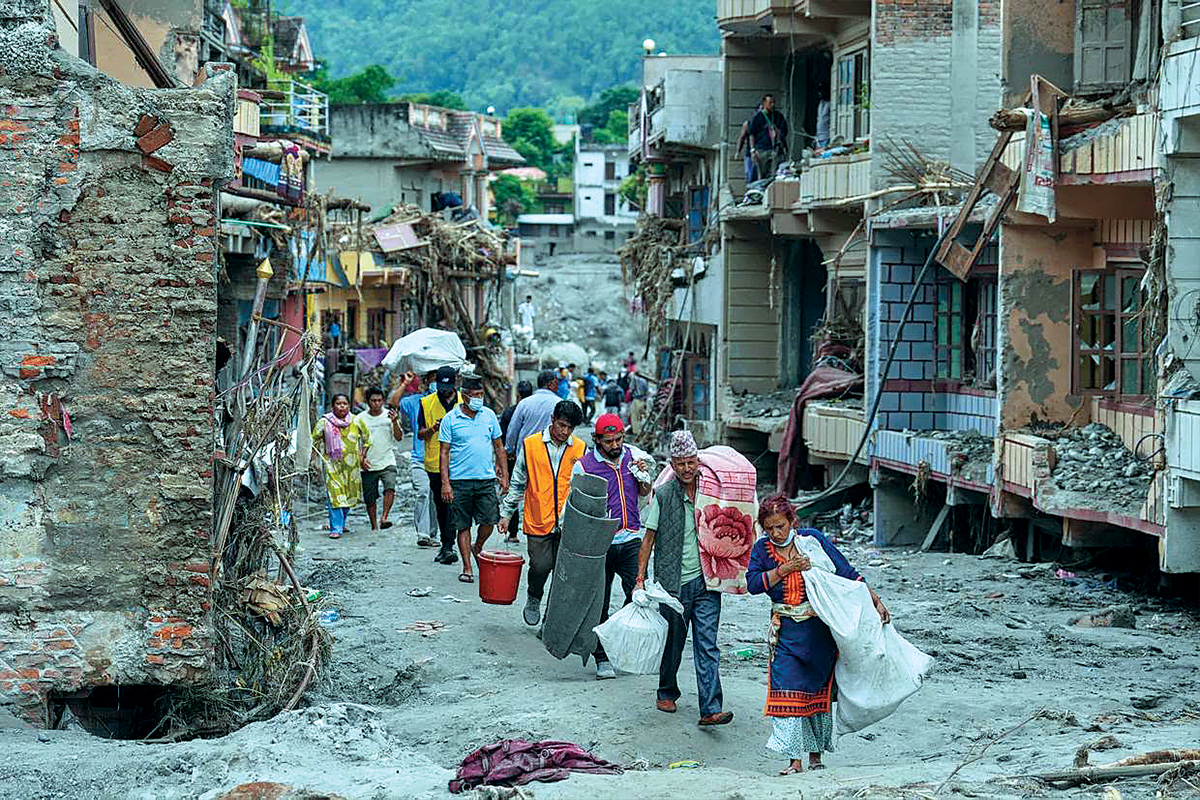
The Rasuwa floods came beneath a happy Himalayan sky. And then, within seconds, a deluge of mud and water erased homes, communities, infrastructure and, above all, lives. Thousands of them.
No amount of rebuilding can restore what has been lost. Not the homes. Not the communities. Not the people. And certainly not that fragile sense of security that comes from believing you are safe beside a river you have lived with all your life. Families torn apart.
Missing. Dead. Displaced. Today, the argument stands on climate justice. On glaciers melting. On warning systems. On encroachment and tunnelling for profit. On what we knew, what we did, and what we failed to see coming.
All of these questions must be asked. But does any of it resonate with the heart of a two-year-old crying for his mother? Or with an 80-year-old who has lost three generations beneath him?
Perhaps that is the unbearable truth of disaster: before it becomes a climate statistic, an infrastructure failure or a question of accountability, it is first a human cry. And so the rescue operations continue – at speed, with strength, until the last person who can be saved is saved.
That means everything in the world to every Nepali for whom, in moments such as these, humanity comes first. I don’t know if disasters can ever be averted. I don’t know if death can ever be outrun. But I do know this: in the face of disaster, we remember what coming together means. We remember what standing together entails.
When the earth gives way beneath us, it is one another we reach for. And perhaps that is where our humanity is tested – not in whether we can stop the river from coming, but in whether we stand together when it does.