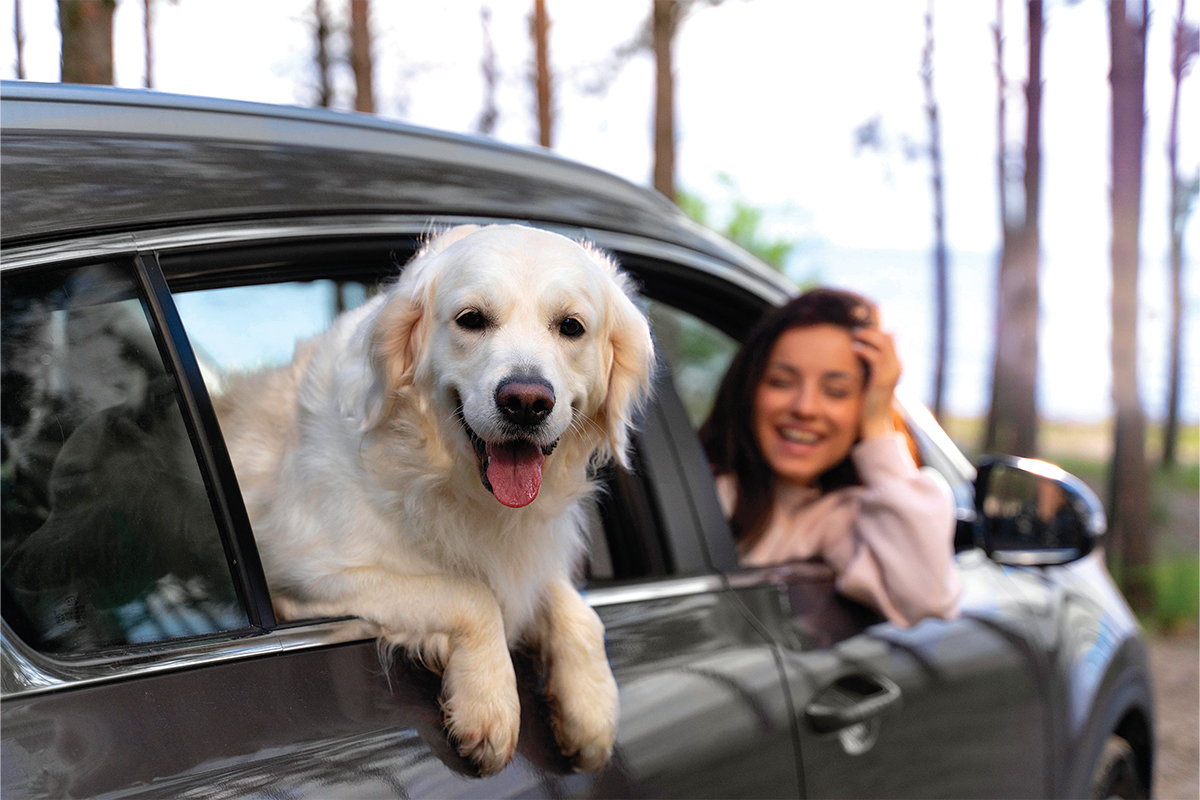
The little things you do every day can have the biggest impact on your pet’s health, happiness and quality of life.
There was a time when caring for a pet meant providing food, water and a place to sleep. Today, pet parenting has evolved into something far more meaningful. Pets are no longer just companions. They are family members, confidants and, for many, a source of unconditional love after a long day.
But loving your pet and caring for them are not always the same thing. A cute collar, a basket full of toys or an Instagram-worthy birthday celebration may reflect affection, but good pet parenting is built on everyday habits that often go unnoticed. It is about understanding your pet’s physical, emotional and mental needs, and showing up for them consistently. So, what does being a good pet parent really look like?
Prioritise routine over indulgence
Pets thrive on consistency. Regular meal times, daily walks and predictable sleep schedules help them feel safe and secure. While it may be tempting to sneak your dog an extra treat or let your cat dictate dinner time, an inconsistent routine can lead to behavioural issues, digestive problems and unnecessary stress. Animals cannot tell time, but they quickly learn patterns. A stable routine helps them understand what to expect from their day.
Exercise is not optional
A brisk walk is not simply about burning energy. It is an opportunity for your pet to explore, sniff, socialise and stay mentally stimulated. Dogs that rarely leave the house can become anxious, bored or destructive. Cats, too, benefit from movement. Climbing shelves, chasing toys and interactive play mimic their natural instincts and prevent obesity. Different breeds and ages have different activity requirements, but every pet deserves regular opportunities to move their body.
Annual check-ups matter
Many illnesses in animals develop quietly. By the time symptoms become obvious, treatment may be more complicated. Routine veterinary visits, vaccinations, dental care and parasite prevention should never be overlooked simply because your pet appears healthy. Preventive healthcare often saves not only money in the long run but also spares your pet unnecessary pain and discomfort.
Good nutrition goes beyond filling a bowl
Not every human food is safe for animals. Chocolate, grapes, onions, garlic and foods containing xylitol can be dangerous, even in small amounts. A balanced diet appropriate for your pet’s age, breed and health condition is one of the greatest investments you can make. Fresh drinking water should always be available, and treats should remain exactly that, occasional rewards rather than daily extras. If you are unsure about your pet’s nutritional needs, consult your veterinarian instead of relying on trends circulating online.
They understand that play is essential
Play is often mistaken for entertainment. In reality, it is a necessity. Interactive games help prevent boredom, encourage problem-solving and strengthen the bond between pets and their owners.
Puzzle feeders, fetch, hide-and-seek and scent games keep animals mentally engaged while reducing stress. Even 10 minutes of focused play each day can make a noticeable difference to your pet’s wellbeing.
They pay attention to behaviour
Animals communicate constantly, just not with words. A dog that suddenly becomes withdrawn, a cat that stops grooming or a normally energetic pet that loses interest in play may be signalling that something is wrong.
Behavioural changes are often the first signs of illness, anxiety or discomfort. Paying attention to these subtle cues allows problems to be addressed before they become serious. Being present is one of the most valuable gifts a pet parent can offer.
Grooming is about health, not vanity
Regular brushing, nail trimming, ear cleaning and dental hygiene are essential aspects of responsible care. Grooming helps detect skin problems, parasites, unusual lumps or injuries early. It also keeps your pet comfortable and reduces the risk of infections.
Long-haired breeds may require more frequent grooming, while short-haired pets’ benefit from regular brushing to maintain healthy skin and coats.
Respect for individuality
Just as no two people are alike, every pet has a unique personality. Some dogs adore meeting strangers, while others feel overwhelmed. Some cats enjoy cuddles on their own terms, while others prefer quiet companionship.
Good pet parents learn to respect these differences instead of forcing interactions that make their animals uncomfortable. Understanding your pet’s temperament builds trust and creates a stronger relationship.
Love means making time
The greatest luxury you can give your pet is not the newest toy or the fanciest bed. It is your time. Whether it is a morning walk, brushing their coat, playing in the garden or simply sitting quietly together after a busy day, these ordinary moments create extraordinary bonds.
Pets do not measure love by how much money we spend on them. They measure it through our presence, patience and attention. Being a good pet parent is not about perfection. There will be missed walks on rainy days, forgotten toys under the sofa and the occasional chewed slipper. What truly matters is showing up, learning as you go and always putting your pet’s wellbeing first.