Perimenopause isn’t about exercising more; it’s about exercising with purpose.
Many women in their 40’s and early 50’s tell me the same thing: “I am exercising the way I always have, but my body isn’t responding the way it used to.” They are eating well, staying active, yet they are gaining weight around the middle, feeling more fatigued and recovering more slowly.
The problem isn’t a lack of effort. It’s that the body is changing, and your training needs to change with it.
For years, the advice for managing weight was simple: do more cardio. Run longer. Burn more calories. Sweat more.
The science in 2026 tells a different story.
During perimenopause, fluctuating estrogen levels accelerate the loss of muscle mass and bone density while reducing metabolic efficiency. That makes preserving muscle one of the most important health goals during this stage of life. Muscle isn’t just about appearance, it supports metabolism, regulates blood sugar, protects joints, strengthens bones and plays a major role in healthy ageing. That’s why strength training should become the cornerstone of your fitness routine.
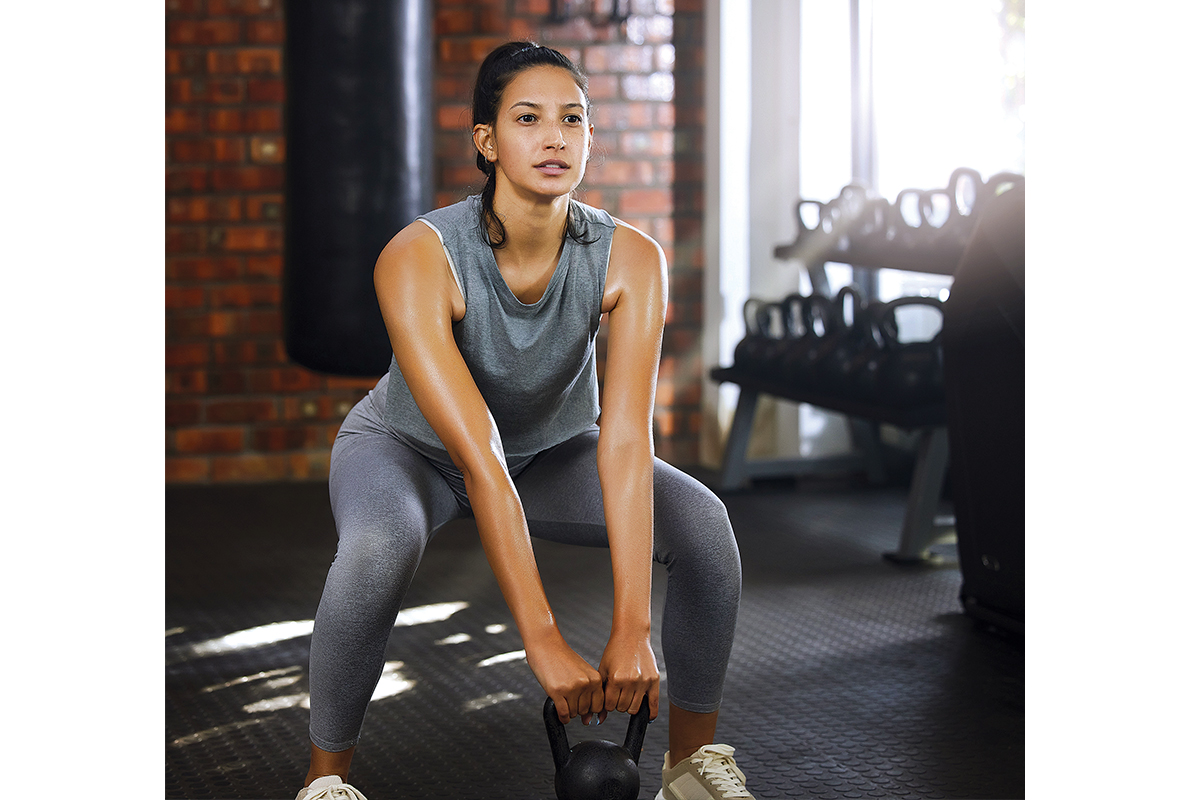
Aim for two to three full-body strength sessions each week using weights, resistance bands or body weight. Focus on compound movements like squats, lunges, rows, presses and deadlifts that recruit multiple muscle groups. More importantly, continue to challenge yourself gradually. Muscles only adapt when they’re given a reason to.
Cardio still has an important place. Around 150 minutes of moderate-intensity exercise each week – such as brisk walking, cycling, swimming or dancing – supports cardiovascular health, while one or two short interval sessions can improve fitness and insulin sensitivity. The key is balance, not endless hours on the treadmill.
Recovery also deserves more attention than it often gets. Hormonal changes can affect sleep quality and slow recovery after exercise. If you are constantly exhausted or sore, training harder isn’t necessarily the answer. Building in recovery days, prioritising sleep and listening to your body’s signals are all part of an effective fitness plan.
Nutrition has become just as important as training itself. Current research shows that as we age, muscles become less responsive to protein, meaning women benefit from spreading protein intake evenly throughout the day rather than consuming most of it at dinner. Around 25-35 grams of quality protein per meal can help support muscle maintenance and recovery.
One supplement attracting growing scientific attention is creatine monohydrate. When combined with resistance training, it has shown promising benefits for improving strength, preserving lean muscle and even supporting cognitive function during midlife. As with any supplement, it’s worth discussing with your healthcare provider before starting.
Finally, don’t underestimate everyday movement. Taking the stairs, carrying groceries, gardening or walking after meals all contribute to better metabolic health. Fitness isn’t built only in the gym; it’s built through consistent movement across the day.
Perimenopause isn’t about exercising more; it’s about exercising with purpose. The goal is no longer simply to burn calories. It’s to build strength, protect bone health, preserve muscle, support long-term mobility and improve quality of life.
Train for the body you want to have in the decades ahead, not the one you had twenty years ago.