Is the healthcare system delivering on the the promise of free treatment, the injured have another story to tell strained by the expenses of medicine, and lives forever altered by physical impairment.
On September 8 and 9, when
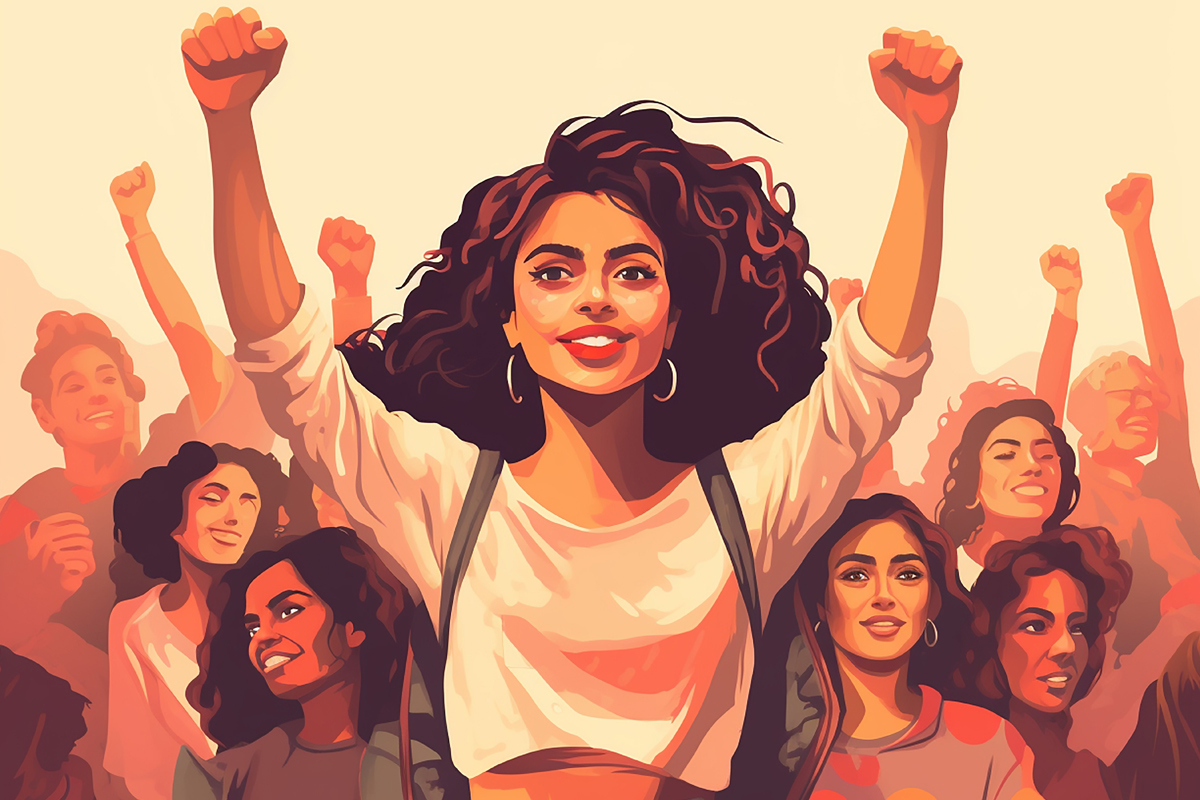
Gen Z demonstrators took to the streets demanding change, the unprecedented vandalism of public property and the clash between the protesters and the police injured at least 2,113 people. In response, the government announced that all hospitals would provide free medical treatment for injured protesters. A generation frustrated by corruption, lack of opportunities and censorship went to the frontline of what was meant to be a peaceful protest but when their protest was infiltrated by violence, arson and vandalism, bullets were shot at them mercilessly. Many died. And many, many more have their lives forever altered with injuries that have even left them physically challenged.
The aftermath of the protests brought significant political shifts. The Prime Minister resigned, and the movement paved the way for Nepal’s first female prime minister and a close cabinet of names which are highly skilled and considerably clean. Yet, while the country takes steps towards this New Nepal, deep systemic challenges remain, including alleged corruption and mismanagement of resources in critical sectors like health care.
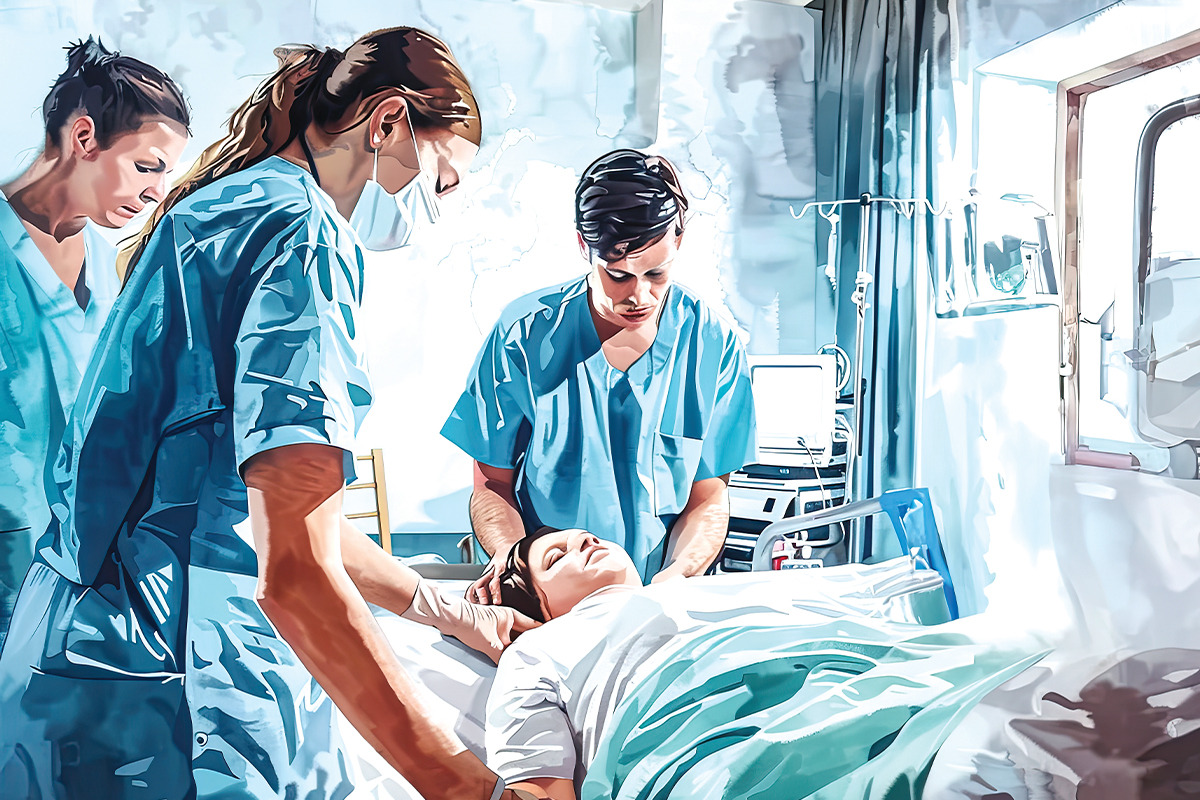
For Dr Raj Rana, Principal Consultant Orthopaedic Surgeon and Medical Superintendent at Nepal Mediciti Hospital, the day of September 8 began like any other, until dozens of severely wounded youths began arriving at the Civil Service Hospital, overwhelming the staff. “I expected some clashes during the protest, but the actual level of violence was shocking,” Dr. Raj recalls. Recognising the responsibility of Nepal’s largest hospital, Dr. Raj stepped in. Communication was further complicated by a social media ban, so his team used VPNs and video calls to coordinate patient transfers. The injuries were severe, requiring complex treatment.
Among the protesters, 21-year-old Sanjay Ghising from Makwanpur was shot in the right arm while protesting at Jawalakhel, Lalitpur on September 8. Describing the horrifying moment, he says that when a young man beside him fell to the ground after being shot, Sanjay did not have it in his heart to run away, leaving the young man to bleed to death. As he lent a hand to help the man, a bullet sliced through the air piercing his right arm. Sanjay did not register it instantly but to his horror, when he looked at his arm, it was merely hanging on by loose veins and skin. Still being treated, doctors have informed him that he may never regain movement in his fingers. He also suffered a chest wound that developed an infection leading to sepsis, requiring ongoing care that could have long term effects. Sanjay had been supporting his family as a delivery driver hoping to build a future in Nepal. Now those plans are halted, leaving Sanjay hopeless and uncertain of the future.
24-year-old Amit Basnet is another such protester injured by a bullet fired in Swayambhu on September 9. He is unable to walk because the bullet that hit his stomach affected mobility in his right leg. Perturbed by watching other Gen Z youths being shot, he had arrived in Kathmandu from his hometown, Dhading with some friends. They felt they had to fight harder the next day for the ones who lost their lives. Amit claims that as he shouted slogans, he was suddenly shot from inside the police office. As he lays in the hospital bed, his mind is occupied by his family’s financial burden. There are upcoming bank instalments waiting to be paid for the loan he took so his brother could move to Dubai.
Although the government has ordered every hospital to give free treatment for the injured most of his medication is available only in pharmacies outside hospital grounds, and the expenses are still significant.
Similarly, 20-year-old Sajan Rokaya from Bajura was shot on September 8 in the chest, damaging his lung. He had been working at a clothing store in Kathmandu to fund his education and was planning to go abroad for a bachelor’s degree. Despite free treatment, his family finds themselves somehow paying one or the other medical expense while awaiting surgery to remove the bullet.
A much younger, 14-year-old, Sangeeta Lama of Lalitpur was playing with her friends when police bullets struck, injuring her. They live in a small room near Pulchowk. That morning, police bullets hit Sangeeta’s left leg, and her brother’s cheek and arm were burnt by a fire started during the protest. Despite the government’s promise of free treatment for the injured, Sangeeta’s mother, Kumari Lama shares concerns over not getting urgent care. Sangeeta, still recovering, does not fully understand the protests but says she only wishes for a better country. The Lama family, originally from Kavre, has lived in Lalitpur for 22 years. With her husband away for work, Sangeeta’s mother, Kumari shoulders the responsibility of raising two daughters and a son alone.
Dr. Raj describes some of the injuries he treated, “One patient had a completely broken jaw; another had blood vessels in the wrist torn apart. Many others had fractured spines, ankles, and heels, initially requiring splints to restrict movement before surgery.” The psychological toll was equally severe. “The young protesters were visibly shaken and traumatized. Those who brought friends to the hospital were also angry,” Dr. Raj recalls. Clinical psychologists across Kathmandu were engaged to help survivors cope with post-traumatic stress. Many may live with permanent physical or cognitive disabilities. Accountability and transparent investigation remain uncertain.
When asked about the biggest challenge in providing care, Dr. Raj mentioned, “manpower,” despite Nepal Mediciti Hospital being the country’s largest with highly qualified staff. This highlights a concerning reality of the health care system. For average Nepalis, affordable, quality health care remains a far-fetched goal. Salaries are low, resources are limited and alleged systemic corruption such as underfunded training and inadequate ambulance staffing compromises patient care.
The Gen Z unrest in Nepal is a wakeup call to the government, showing utmost unity of Nepalis pushing for transparency, justice and free speech. The people demand an end to corruption, a stronger health care infrastructure, and a Nepal where everyone has an equal chance to win. They are reclaiming the power to where it always belonged, the people.
Text: Kreenjala Pyakurel