
ARE YOU GETTING MARRIED JUST BECAUSE THE BIOLOGICAL CLOCK IS TICKING?
The older idea of marrying at a certain age had its merits. Today, in the hustle of survival and career building, people often delay marriage, sometimes forgetting to focus on their own lives. As a result, the happiness, shared joys and experiences of raising children while still young and healthy are gradually fading; opportunities that earlier marriages naturally allowed.

Chetan Raj Karki, YouTuber, Vlogger & Musician
In today’s world, do you think conversations about marriage are still tied to fertility timelines, or is that starting to shift?
Chetan: This may come as a surprise, since the public often imagines that nonmarital childbearing is widespread and marriage is becoming obsolete. In reality, these perceptions are inaccurate.
Aakriti: Socio-cultural background and Nepal’s cultural landscape play a significant role, and I have observed that marriage is often closely tied to childbearing. While everyone tends to focus on timing, the younger generation is more scientifically informed and aware of various fertility options. As a result, I am seeing many people opting for sperm freezing, and though less common, embryo freezing is also being utilised more frequently than before. As a fertility specialist, this is truly encouraging to witness.
Shweta: I think conversations about marriage are still often tied to fertility timelines but the mindset is slowly shifting. More people today recognise that marriage is about partnership and choice, not just about having children within a certain age.
Anup: Ten out of six people are dealing with the same issues and concerns. The other four do not care much and are instead focused on helping each other achieve long term career goals. However, with time, the ratio will shift further.
How did cultural expectations or even subtle comments from family and friends shape the way you thought about your own decision for marriage?
Chetan: I will give an example from my own life and how I chose the timing of my marriages. My first marriage was to a Tibetan woman when I was 20 and she was 19. Culturally, we did not understand each other’s language and even simple communication was a struggle. Festivals and traditions often left us puzzled. As for family and friends, they were unhappy with my choice but we were not concerned. A year later, our daughter Pugu brought joy into our lives breaking down barriers between our families and bringing everyone closer. However, things did not work out between us, and we separated after two years.
Four years later, I met Anu, my current wife while Pugu was still with me. I chose the timing of this marriage for myself, and after 15 years, we are still happily moving forward hand in hand.
Aakriti: I have felt societal pressure but being in this field, I knew I could freeze my eggs. It was a difficult conversation with my parents as it is still a foreign concept for them. I was able to explain that no matter how late I choose to have children, freezing my eggs allows me some peace of mind regarding childbearing. It concerns me that if even in a household with a fertility specialist these conversations are challenging, I can only imagine how difficult they must be in homes with less awareness.
Shweta: Cultural expectations and family comments definitely influence how we think about when to get married. Even subtle reminders create pressure but I have learned to separate external expectations from my own readiness and priorities.
Anup: We are culturally so bound that it makes many people feel uncomfortable to do certain things in fear of what society will say. But we must value our own choices too. It is all about making the right decision at right time.
Did you ever consider fertility checkups or treatments before marriage?
Some may choose to prioritise their career, may not want to handle pregnancy before 30 or have not found the right partner. In such cases, options like embryo freezing can offer empowerment and flexibility. But if you are certain about your partner, biologically, it is best to have children before 30.

Dr. Aakriti Bharati, Senior Fertility Specialist, Vatsalya IVF and Fertility Clinic
Chetan: Yes, of course! Most couples are busy buying wedding dress, deciding the venue, and finalising the guest list in the wedding preparations. But it is equally important to consider fertility checkups so that certain precautions, treatment and care can be taken if you or your partner have a fertility problem. It can help you assess your reproductive potential and identify any factors that may affect your fertility.
Aakriti: I did not go for a fertility checkup because my menstrual cycles were regular and my blood flow was normal. Not everyone is willing or able to afford fertility checkups but observing your menstrual cycle can reveal a lot about your fertility. Irregular or scanty flow or severe pain could indicate endometriosis, while periods occurring every 2–3 months might suggest PCOS. Genetics also play a role; if your mother experienced early menopause, it is wise to monitor your fertility more closely.
Shweta: I did think about fertility checkups but I did not consider treatments before marriage because I believe those choices should come naturally in the right time and partnership. For me, the focus was more on health awareness than on following a deadline.
Anup: Most people tend to go for a checkup only when there is a concern. I did not feel the need to consider any fertility checkups or treatments before marriage because there was no reason or indication for it. For me, it simply was not something I thought about at the time.
How do you see marriage and family planning fitting into modern ideas of personal freedom and career building?
Aakriti: If you feel a strong connection with the right partner and want to have children, I recommend not delaying pregnancy. However, everyone’s situation is different.
Some may choose to prioritise their career, may not want to handle pregnancy before 30 or have not found the right partner. In such cases, options like embryo freezing can offer empowerment and flexibility. But if you are certain about your partner, biologically, it is best to have children before 30.
Shweta: For me, marriage and family planning are choices not obligations. I think they should fit naturally with personal freedom and career goals, not limit them. People should have the space to grow, explore their paths, and decide when the time feels right rather than feeling pressured by society or timelines.
Anup: Today, we see the younger generation being skeptical about marriage and also family size has been reduced to having 1-2 kids at the most. Reality is that if someone wants to get married or have children, they will manage it, no matter what.
How do you personally separate the idea of love and partnership from biology and timing?
Age should not be seen as a deadline but as a journey. Everyone’s path is different and all choices should be equally respected.

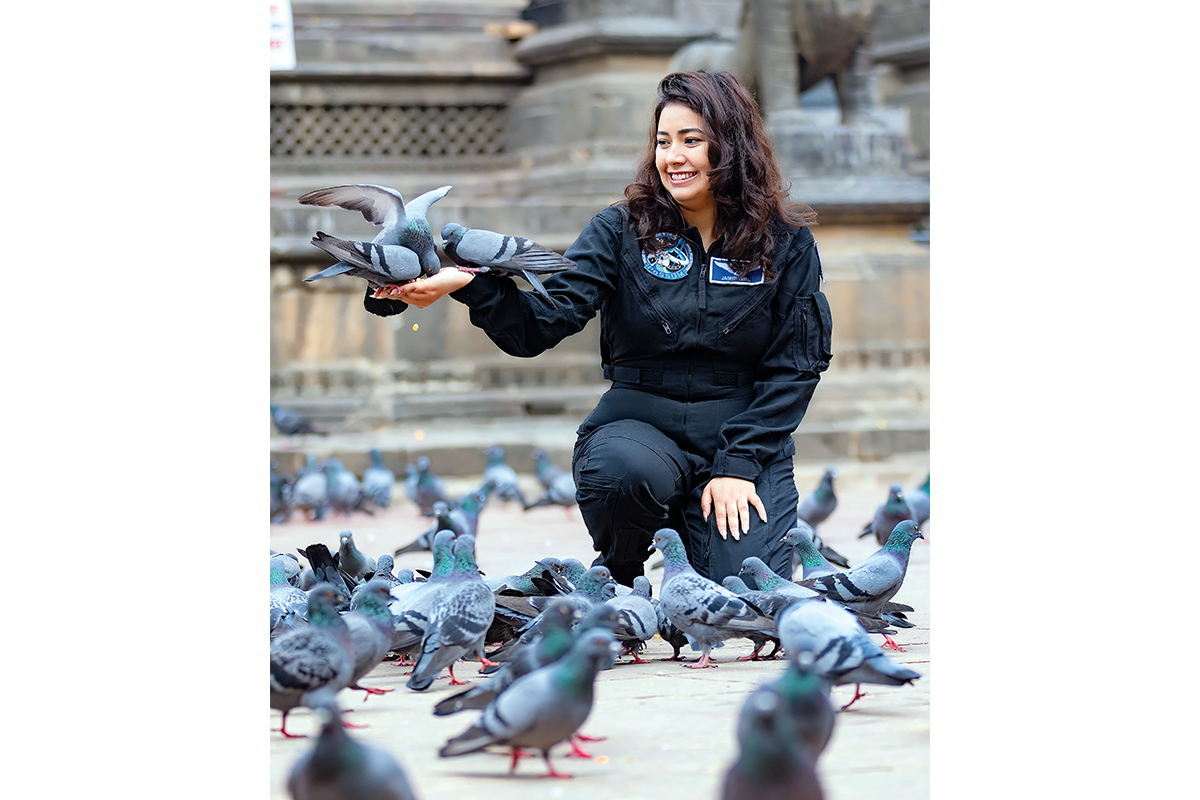
Shweta KhadkaActor, Producer & Entrepreneur
Chetan: When I think about separating love and partnership from biology and timing, I look to the stories shaped by our religion and culture. A powerful example is Krishna and Meera. They shared no marriage, no biological bond, and yet their love transcends centuries.
It was not confined to societal expectations or family timelines, it was spiritual, timeless and beyond conventional definitions of partnership. Their story reminds me that love doesn’t have to be measured by biological clocks or marital status. Instead, it can exist in pure connection, devotion and meaning, untouched by external pressures of time or expectation.
Aakriti: In our culture, marriage is often equated with the ability to reproduce and continue the family legacy, a pressure that falls more heavily on women than men. These societal expectations have led to couples separating and families being strained, but advances in science and fertility treatments can help prevent such outcomes. Another example is same-sex couples, many of whom I work with. Even when reproductive options involve donors, their love and commitment remain strong, showing that couples do not have to let infertility or challenges in having a child jeopardise their relationship.
Shweta: Love is about connection and trust while partnership is about choosing to walk through life together. Biology and timing may spark things, but true love and partnership go beyond that, they are built on understanding, commitment and shared purpose.
Anup: Love can happen to anyone anytime anywhere, regardless of age. Whereas biology and reproduction need to be planned keeping your age and mental and physical health in mind. I see them separately.
What shift would you like to see in society about age, marriage, and children?
Today, we see the younger generation being skeptical about marriage and also family size has been reduced to having 1-2 kids at the most. Reality is that if someone wants to get married or have children, they will manage it, no matter what.

Anup Sagar Tuladhar, Entrepreneur & Actor
Chetan: I think the older idea of marrying at a certain age had its merits. Today, in the hustle of survival and career building, people often delay marriage, sometimes forgetting to focus on their own lives. As a result, the happiness, shared joys and experiences of raising children while still young and healthy are gradually fading; opportunities that earlier marriages naturally allowed. Many now marry late to establish themselves professionally which is admirable, but it can bring challenges like increased risks of miscarriages or health complications in children. In the past, cultural norms encouraged timely marriages which helped maintain natural life rhythms. Today, people are also drawn to habits or substances to reduce stress, often at the expense of their physical and mental health. From both a health and life-experience perspective, marrying at an appropriate age remains far more beneficial.
Aakriti: You do not have to be married to have a child, you can even consider adoption if fertility treatments are not an option. However, I want to emphasise the importance of fertility checkups, treatments and most importantly, awareness. Even in cases like cancer, where it was not possible before, we now have treatments that allow people to pursue parenthood. I see many patients in such situations, and I want everyone to know that medical help exists, you just need to take the first step and seek it.
Shweta: I wish society would stop putting strict timelines on age, marriage and children. For me, it is not about “by this age you must…” but about when a person truly feels ready. Instead of asking, “When will you marry?” or “Why don’t you have kids yet?”, the focus should shift to “What makes you fulfilled and happy right now?” Age should not be seen as a deadline but as a journey. Everyone’s path is different and all choices should be equally respected.
Anup: I would like to see people take marriage as a blessing and source for happiness, irrespective of anything that may happen in the future.