
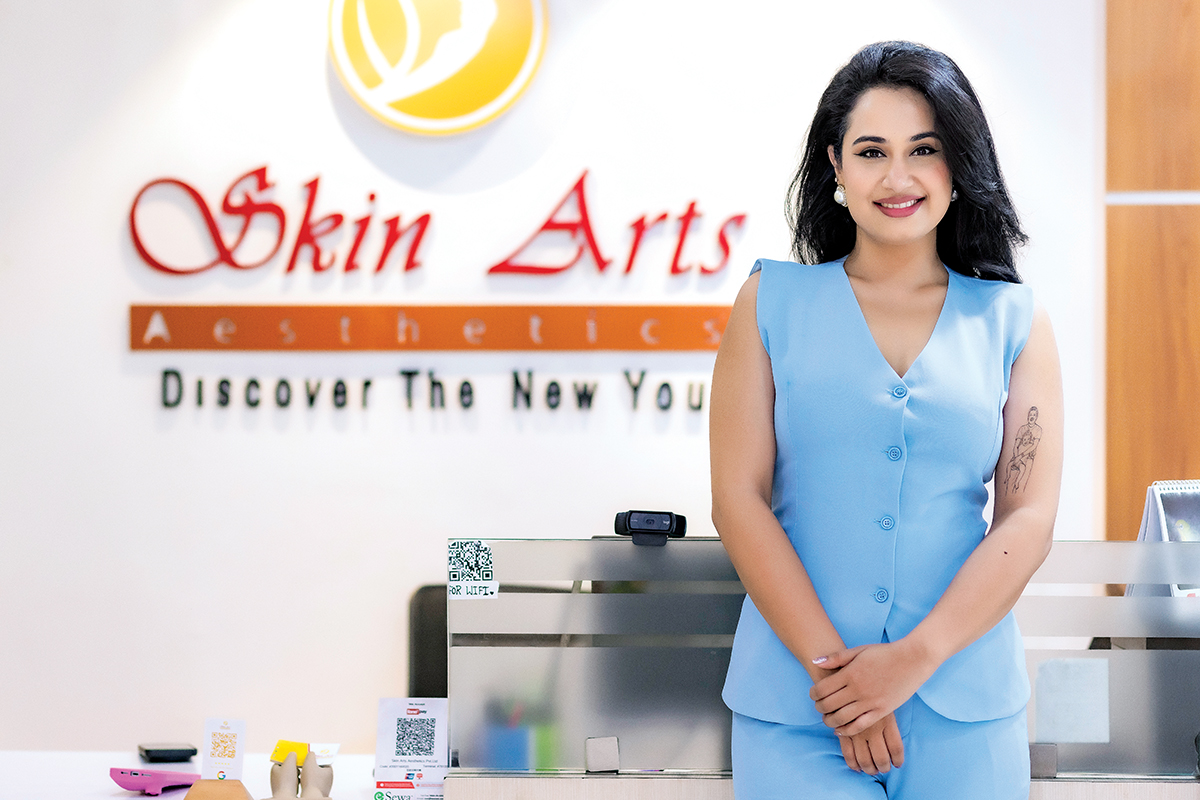
Swopnil Sharma on skin health, self-care, and why aesthetics in Nepal is entering its most exciting chapter yet
There was a time when visiting an aesthetic clinic in Nepal was often accompanied by hesitation. Treatments were whispered about, skincare was largely reactive, and beauty was frequently tied to unrealistic ideals. Today, that narrative is changing. People are talking openly about skin health, investing in self-care, and seeking treatments not to become someone else, but to feel more like themselves.
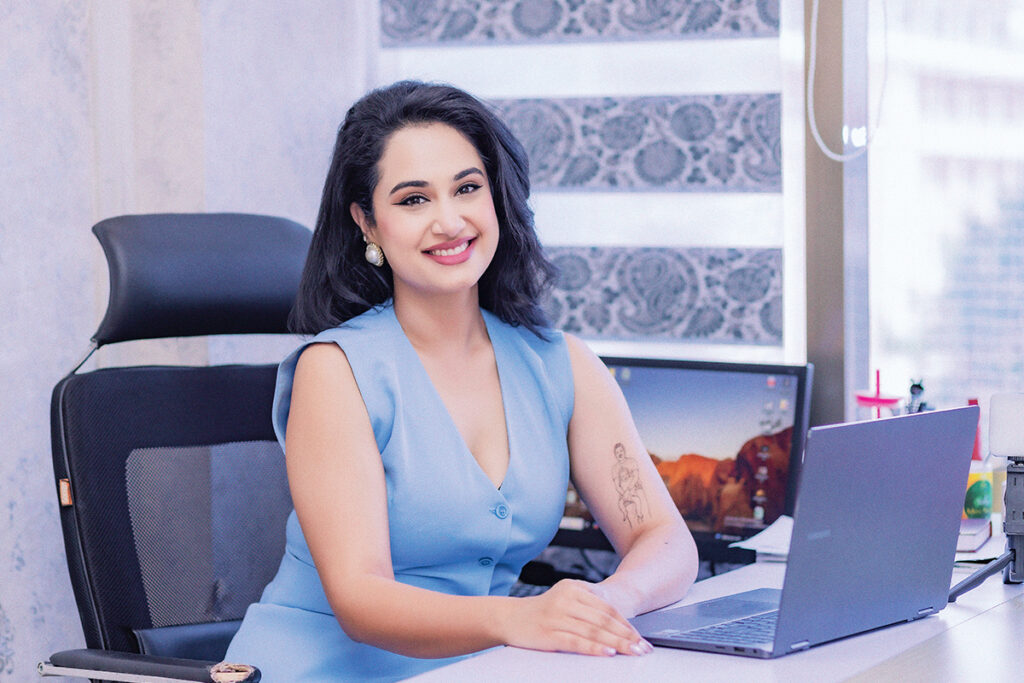
Few people have witnessed this transformation as closely as Swopnil Sharma. As the Managing Director of Skin Arts Aesthetics, Swopnil has spent the last seven years at the forefront of Nepal’s growing aesthetics industry, helping clients navigate everything from acne and pigmentation to laser treatments and long-term skin maintenance. Along the way, she has observed a remarkable shift in how people define beauty.
“The most exciting change is that beauty is no longer just about appearance,” she says. “People want to feel healthy, confident, and comfortable in their own skin. That mindset has completely transformed the industry.”
It is a sentiment that feels particularly relevant today, when social media trends arrive and disappear overnight, and beauty standards are constantly being rewritten.
Yet, amid the noise, she believes the future belongs to authenticity. “People are no longer looking for dramatic changes. They want natural-looking results that enhance who they already are.”
At Skin Arts Aesthetics, one treatment continues to dominate client requests: laser hair removal. While it may seem like a practical beauty service, Swopnil believes its popularity reveals something much deeper about the modern consumer.
“People lead incredibly busy lives,” she explains. “They are looking for solutions that make everyday routines simpler. The appeal of laser hair removal isn’t just cosmetic. It’s about convenience, comfort, and confidence.”
That shift from transformation to maintenance has become one of the defining characteristics of contemporary aesthetics. Clients are increasingly prioritising treatments that fit seamlessly into their lifestyles, offering gradual, natural improvements rather than dramatic makeovers.
In many ways, beauty today is becoming less performative and more personal. The change is especially noticeable among younger clients. According to Swopnil, today’s generation is approaching skincare with a preventative mindset, seeking professional guidance before concerns become more difficult to manage.
Instead of waiting for acne scars, pigmentation, or early signs of ageing to become severe, many young people are building skincare routines early and taking a long-term view of skin health. “The younger generation understands that prevention is often easier than correction,” she says. “It’s very similar to exercising regularly or going for routine dental check-ups.”
That does not mean they are rushing towards invasive procedures. If anything, Swopnil believes younger clients are becoming more informed and selective. “The goal should never be perfection,” she says. “The goal is understanding what your skin needs and making informed decisions.”
Of course, navigating that journey has become increasingly complicated in the age of social media. Filters, editing apps and carefully curated feeds have created a world where flawless skin appears normal, even though it rarely exists in reality. The result is a growing gap between expectation and reality, one that aesthetic professionals must carefully manage. “Real skin has texture. It has pores. It has imperfections,” Swopnil says. “The healthiest approach is to focus on becoming the best version of yourself, not a filtered version of someone else.”
At Skin Arts Aesthetics, consultations often begin with conversations rather than treatments. Listening, understanding concerns, and establishing realistic expectations are viewed as just as important as any procedure itself.
Sometimes, Swopnil admits, the most valuable advice a practitioner can give is to recommend doing nothing at all. “A great clinic doesn’t just tell you what you need. It also tells you what you don’t need.” It is an approach rooted in trust, something Swopnil believes separates truly exceptional clinics from the rest.
As Nepal’s aesthetics industry continues to expand, competition is growing rapidly. New clinics, treatments and technologies are emerging every year. Yet Swopnil believes success ultimately comes down to three things: safety, honesty and personalisation. “Every face tells a different story,” she says. “There is no such thing as a one-size-fits-all treatment.”
Personalisation has become one of the industry’s most important principles. Two clients may present with the same concern, whether acne, pigmentation or sensitivity, but the underlying causes can be entirely different. Lifestyle, environment, stress levels and daily habits all influence the skin in unique ways.
This is why she remains cautious about beauty trends that promise universal results. “What works brilliantly for one person may not work for another,” she says. “The most effective treatment plan is always the one designed specifically for you.”
The industry itself is also evolving. Looking ahead, Swopnil predicts that the future of aesthetics will be defined by non-invasive treatments, regenerative medicine and advanced diagnostic technology.
Rather than focusing solely on correcting visible concerns, clinics are increasingly exploring ways to support the skin’s natural ability to heal, repair and regenerate itself. Treatments that stimulate collagen production, improve overall skin quality and promote long-term skin health are expected to become even more popular.