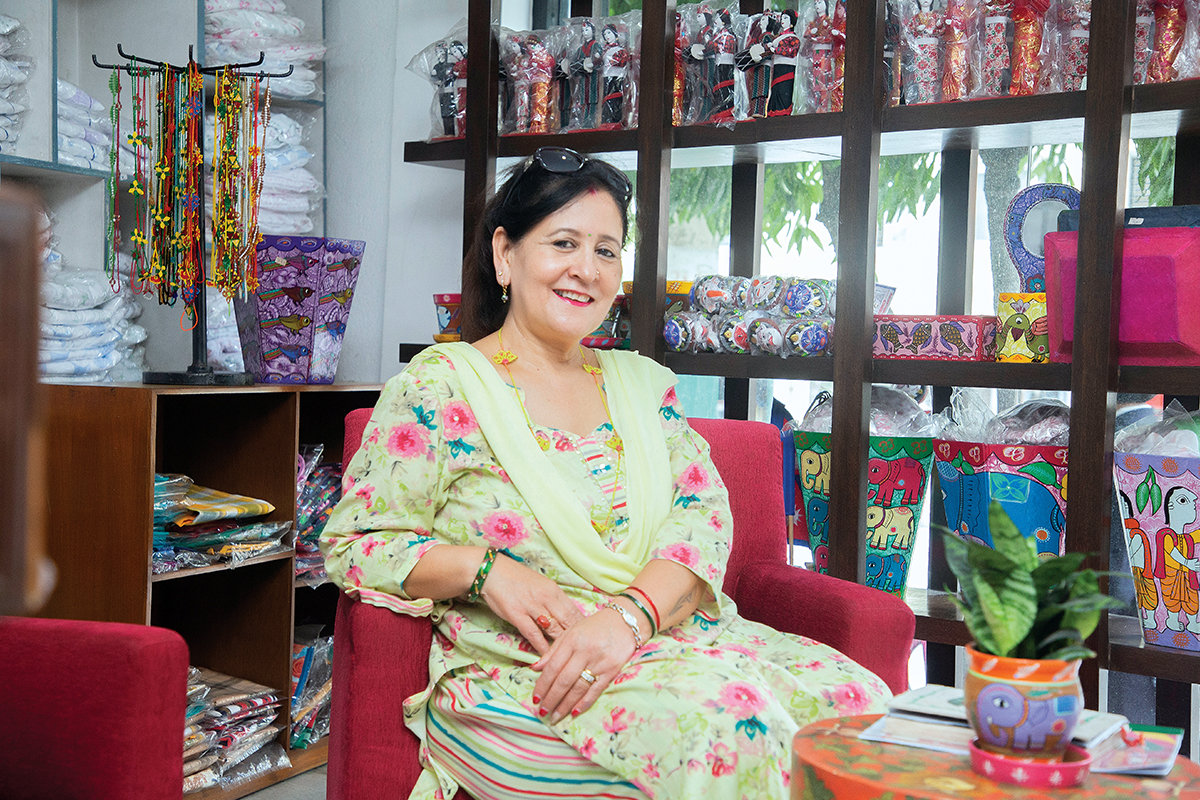

WHY WOMEN SURGEONS FACE PAY GAPS, FEWER LEADERSHIP ROLES AND TOP PAYING SPECIALTIES
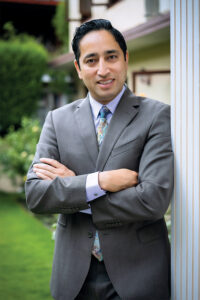
DR SATYADEEP BHATTACHARYA, Senior Colorectal Surgeon, Nepal Mediciti
I have had the privilege of working with exceptional women surgeons, some of whom have been my mentors, and their skills are second to none. I would trust them to operate on me any day.
Traditionally, surgery has been seen as a “boys’ club,” but things are changing, especially in places like the US where I saw nearly half the residents in my programme were women. However, in Nepal, we still lag behind due to persistent societal expectations. Women are often expected to prioritise family over career, and given surgery’s demanding nature, balancing both becomes unfairly challenging.
Gender stereotypes also persist: female surgeons often face double standards in how their behaviour or performance is perceived. Surgical instruments, designed primarily for men can present additional hurdles. But with advances like robotic surgery and more women entering the field, the landscape is slowly levelling.
The biggest change still needed is in mindset. As more women rise in the profession, they will inspire future generations, proving that it is possible to succeed both professionally and personally.
Additionally, while I have not observed a gender-based pay gap among surgeons of similar rank, the challenge lies in women reaching those top positions. I am hopeful this gap will continue to close with time.
DR LAVA SHRESTHA, Managing Editor, Journal of Institute of Medicine Nepal
The surgical field has traditionally been male dominated with mentorship, role models and academic structures shaped by patriarchal norms. It is a demanding profession, requiring long, unpredictable hours and emergency duties; often at the expense of family time. Culturally, women are expected to prioritise domestic responsibilities, which discourages many from pursuing surgery.
Leadership roles and high-paying positions often require extensive time commitments, frequent travel, and networking – spaces that are still largely male-dominated and challenging for women balancing family life. These gender disparities are not due to a lack of skill or ambition among women but are rooted in deep-seated cultural and systemic barriers that influence career choices, opportunities, and advancement.
However, change is underway. More women in Nepal are now entering the surgical field and excelling, breaking stereotypes and inspiring the next generation. With continued support and structural reforms, we can foster a more inclusive environment where women thrive as surgeons and leaders.

DR BHARAT RAWAT, Senior Cardiologist & Lifestyle Guide, Medanta Hospital, India
It is true that we do not see lot of well-trained qualified women surgeons at senior positions in various hospitals. The reason is not just the lack of recognition of women’s professional expertise. It is also because there are less trained qualified women surgeons. And this, in turn, is largely because of socio cultural reasons. Thus, if we want to change the situation, we need to work on both sides. On the professional side, more women surgeons need to be trained, and their glass ceilings broken. And to feed the pipeline, we need to remove social barriers in the upbringing of the young girls. Positive motivations from parents and school teachers will have a huge impact on the confidence level of girls. Professional women also need freedom from social norms. Given professional and social support, we will see more trained women at top positions in the medical field to the benefit of the industry as well as society.

Sanket Paudel, Host and Video Producer, The Nepali Comment Unscripted
I believe one key reason we see fewer women in surgery lies in how we socially frame highly technical or specialised professions. Even in casual conversations, when jobs are labeled as “for men” or “for women,” it creates invisible barriers that discourage individuals – especially women – from pursuing roles they are fully capable of and passionate about. Over time, these distinctions, though entirely social constructs, start to feel like norms. This subtle but persistent messaging can have a powerful impact.
When women continuously face these narratives, resisting them can feel like an uphill battle. The constant need to prove oneself in a space not traditionally “meant” for them can lead to emotional fatigue and burnout. It is not a lack of skill or ambition that limits women, but rather the weight of navigating these social expectations. To create lasting change, we must challenge these outdated norms and encourage equal access to all fields, including surgery.