
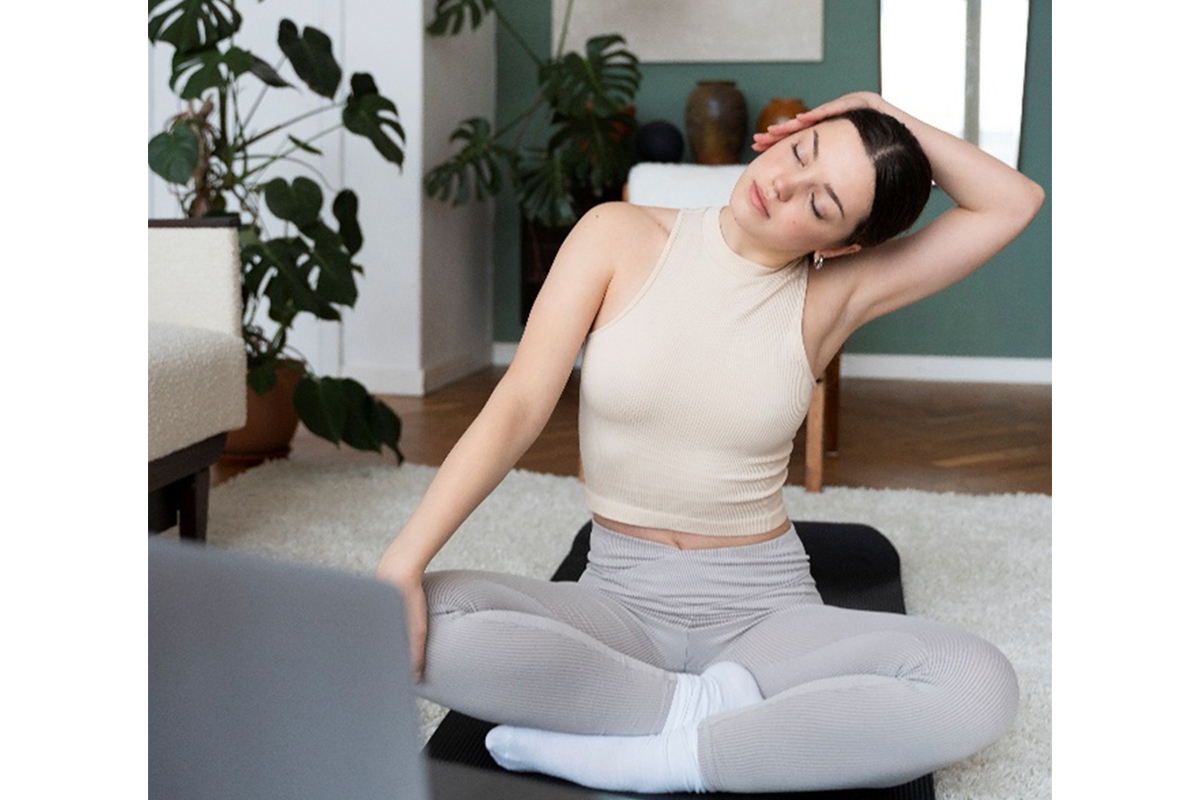
To survive and thrive in today’s fast changing world, it is crucial that we pay attention to our mental health. Decades of research has established that movement and organized exercise are good for your mental wellbeing. Committing to regular exercise builds self-confidence, can help block out distractions, makes you goal-oriented, enables you to better manage pain and discomfort, and demonstrates a resilient mindset.
Physical activity is recognized as a buffer against stress. Exercising regularly enhances your wellbeing as it decreases stress hormones leading to a boost of endorphins, the chemicals that make us feel good. This process enhances our mood and improves energy levels. We also feel more positive and sleep better.
Mental toughness is that inner strength that enables you to push through challenges, maintain focus under pressure, and persevere despite adversity. It is a mindset associated with action. Regular exercise helps train your brain to see discomfort as a temporary challenge rather than a signal to quit. This shifts your perspective from a fixed mindset of “I can’t do this” to a growth mindset of “This is tough, but I can get through it”. Being mentally strong or tough does not mean that we will not experience stress, anxiety or other mental and physical health issues. It just that good mental health and strength work together to support each other and allow us to move forward in a balanced way towards achieving our goals and living the life we want.
As little as 30 minutes of exercise a day for 3 to 5 days a week is enough for you to feel more confident, happier, and less anxious. If you can’t manage that, even smaller amounts of moderate exercise, such as 10 or 15 minutes at a time, may help. You can break your exercise schedule into several short sessions or simply plan your physical activity according to your daily routine. The key, however, lies in consistency. Sticking to a regular exercise routine, even when you don’t feel like it, builds discipline and a sense of self-reliance.
Last but not least, when you challenge your physical limitations consistently to excel at something, you learn to remain focused and committed to a standard of quality, even when facing stress and fatigue. This improves your emotional control and ability to respond to high stress situations for better outcomes.