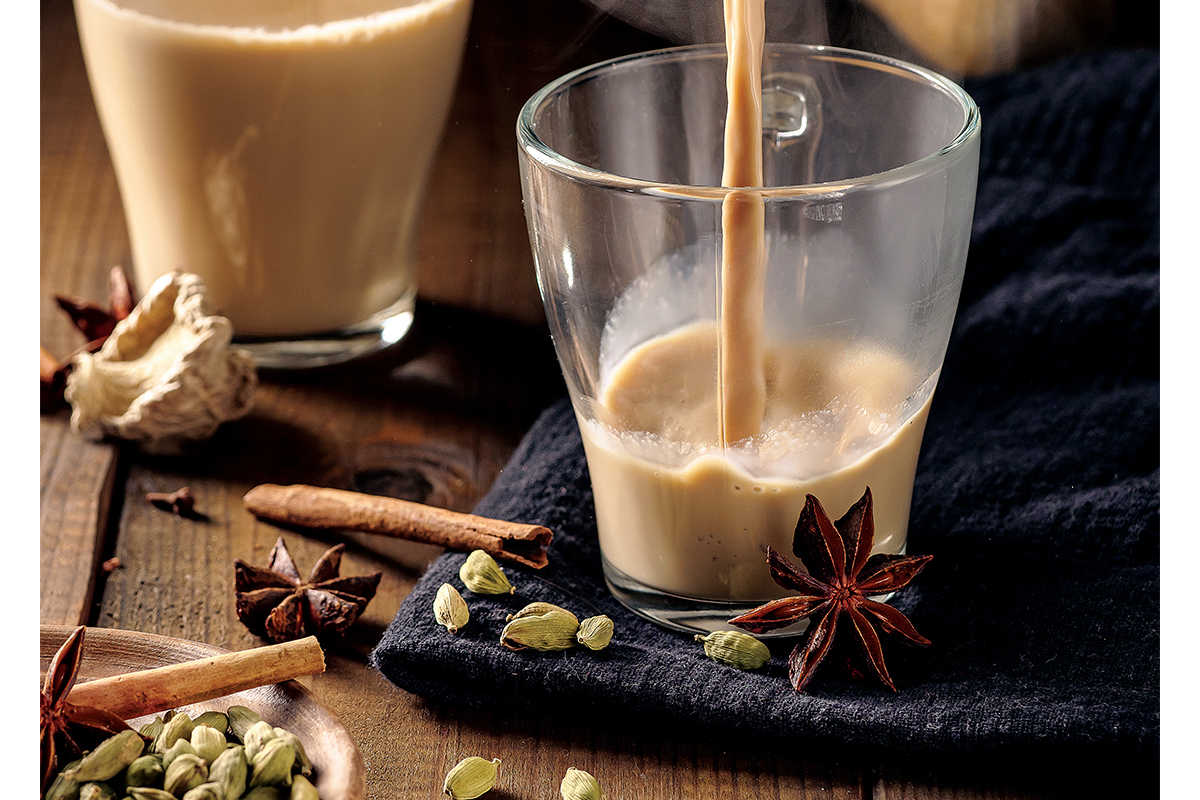
Chiyawala Since 1956, Chiya Ghar, Chiya Pur, Jun Chiyabari Tea and Chiya Diaries are among the many boutique tea houses redefining Kathmandu’s social scene. More than places to drink tea, they have become venues for conversations, poetry readings, art exhibitions and unhurried evenings with friends.
The transformation was inspired by many influences, recalls Ganesh Dev Pandey, owner of Chiyawala Since 1956. Originally established by his father in 1956, the tea shop operated in a much more traditional setting. Around eight years ago, while travelling in India, Ganesh came across the growing trend of boutique tea houses. “I had an idea, why not do a tea shop differently?” he says.
For Ganesh, cafés have always represented a different kind of experience. “They’re sophisticated and stylish, with expensive furniture and air-conditioned spaces. But I’ve always been drawn to earthy environments. I wanted to create something more typical and rustic. In a city with so few open spaces and playgrounds, I designed a place with white lights that lets you feel nature, calmness and authenticity while enjoying a cup of tea.”
Sustainability also became part of the design philosophy. One seating area was once a shipping container, the kitchen roof was built using timber from discarded machine packaging, and many of the tables and chairs were sourced second hand.
Ganesh believes the modern chiya pasal appeals to different generations for different reasons. For older visitors, it evokes memories of a familiar neighbourhood gathering place. For younger customers, it offers a slower, more grounded alternative to the city’s café culture. “They’re into social media, right? The rustic space is a refreshing change from all the glossy things you see online,” he says.
When Chiyawala reopened in its boutique format, there were few similar tea shops in Kathmandu. Today, the concept has inspired many others. “We have a hundred varieties of tea. People didn’t even know there could be that many.”
Many of the flavours are inspired by Ganesh’s travels across Nepal and India. Their Terai Chiya, for example, is sweetened with jaggery instead of sugar, reflecting the flavours of Nepal’s southern plains.
Beyond the tea itself, Ganesh believes affordability has played an equally important role in the popularity of these spaces. “People need places to hang out. A coffee shop charges almost double for the same quality tea.
Here, we have also hosted poetry readings and art exhibitions.”
For Prajwal, 29, who visits regularly, that’s exactly what makes these spaces special. “It’s a great place to hang out with friends. In fancy cafés, staff keep coming over to ask if you want anything else, which makes you feel like you should leave. Here, no one bothers you, so you can stay as long as you like. I think this is a renaissance of the tea shop.”
Despite Kathmandu’s growing coffee culture, tea remains his drink of choice. “Tea is much closer to our culture. I enjoy coffee too, but tea carries a different significance. It reminds me of childhood, of having tea and biscuits.”
Even as boutique tea houses continue to flourish, Ganesh believes there will always be room for traditional tea shops. One such place is Chhakku Bakku Bakery and Coffee Shop in Baneshwor, one of the area’s oldest neighbourhood tea shops. Operating for 23 years, it began as a tea cart serving the local community before growing into a permanent establishment.
“My wife and I started this business because making tea was what we knew best. We mostly keep things the same. We only increase prices when the cost of tea leaves goes up,” says owner Nar Bahadur Shrestha. Many of his customers have remained loyal since the early days. “People who came to us when we were a tea cart still visit us today.” Nar Bahadur does not see the rise of boutique tea houses as competition. “They serve different customers. Those with more money go there. Those who want to spend less come here.”
Whether served on a wooden bench under fairy lights or from a roadside kettle that has been brewing for decades, tea continues to be one of Nepal’s greatest social levellers. The setting may have changed, but the ritual remains the same: a steaming cup, an easy conversation and the simple comfort of slowing down for a while. In the new age of chiya pasals, tradition hasn’t been replaced it has simply found a new way to welcome people in.
Text: Urvi Agrawal