As funding support disappears, Pride celebrations in Nepal’s small towns are quietly fading. What once were small but powerful gatherings are now being cancelled across districts due to financial constraints.
Queerness outside Kathmandu is often far more invisible and shaped by survival than the relatively visible community spaces in the capital. While Nepal has progressive laws on paper, queer life in rural towns is still marked by secrecy, stigma and the absence of safe spaces.
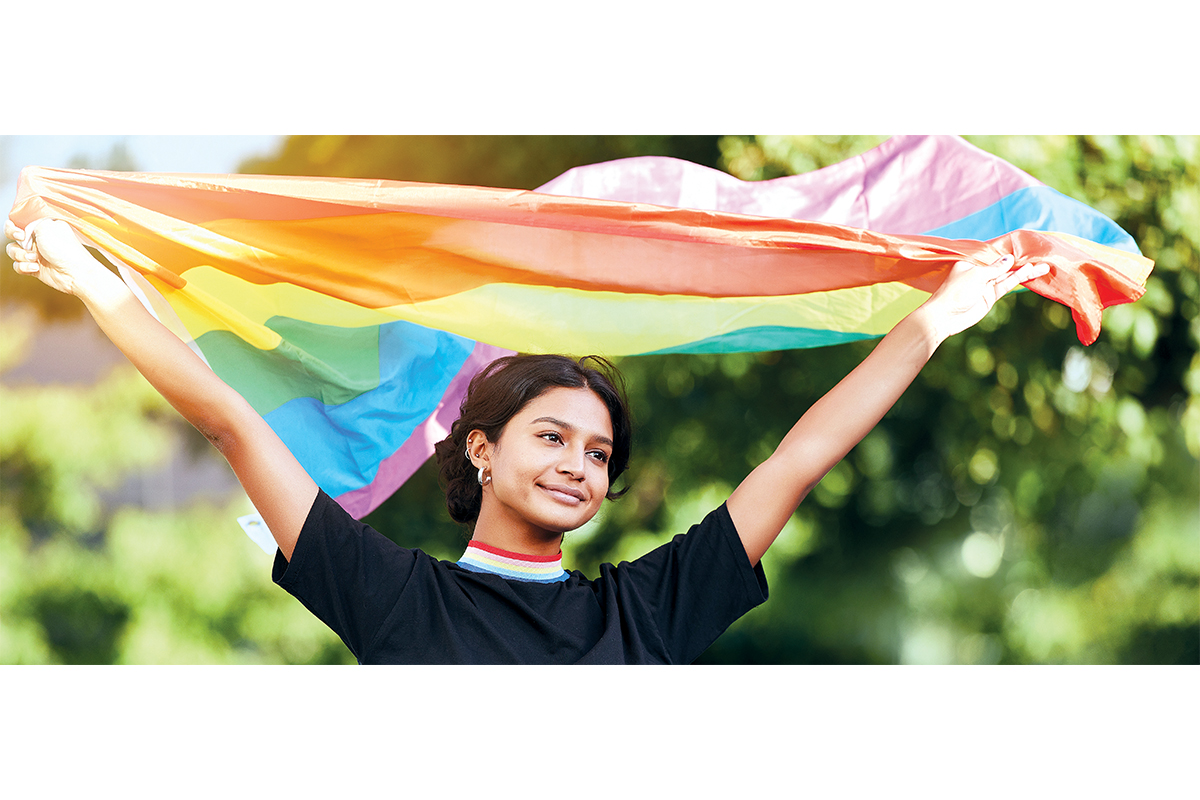
For years, Pride in districts like Hetauda, Bara, Dhanusha and Chitwan was never about large celebrations. It was about visibility, belonging and the courage to gather publicly in places where LGBTQ+ people are often ignored or discriminated against. Small events with rainbow flags, music and shared stories created rare moments of connection and acceptance. Today, many of those celebrations have stopped.
As international funding cuts and financial crises affect local LGBTQ+ organisations across Nepal, community members say they can no longer afford even small Pride programs. Support that once covered transportation, banners or community gatherings has disappeared, forcing many events to be cancelled. But beyond the loss of celebrations lies a deeper concern. Activists fear that without visible community spaces and advocacy programs, LGBTQ+ voices outside Kathmandu will once again be pushed into silence. Still, despite shrinking resources and ongoing discrimination, queer communities across Nepal continue to organise, speak out online and fight for dignity, visibility and the right to exist openly.
Kiran Thapa
34, Transwoman, Hetauda, (She/Her)
Kiran Thapa, from Hetauda, Makawanpur, currently works as a coordinator at Friends Hetauda, a sister organisation of the Blue Diamond Society. The organisation advocates for the basic rights of the LGBTQIA+ community in Nepal.
According to Kiran, around 24 people from the LGBTQ+ community currently live in Hetauda. In the past, especially around 2023, the community used to celebrate Pride parades openly. However, they have not been able to organise Pride events since 2024. ‘‘We used to celebrate Pride parades every year,” Kiran says. “But it has been two years since we last celebrated because USAID and Blue Diamond Society were supporting us financially. After U.S. President Donald Trump stopped the USAID project, we could no longer continue the celebrations.”
Although Bagmati Province has introduced laws aimed at protecting LGBTQIA+ rights, Kiran says the implementation remains weak. Due to the lack of proper enforcement, many LGBTQIA+ individuals still face discrimination in their daily lives. “One of our biggest achievements was that Bagmati Province made laws to protect us”, Kiran explains. “But the sad part is that these laws are not being properly implemented. We still face discrimination, even in hospitals, and our health concerns are often neglected simply because we belong to the LGBTQIA+ community.”
Kiran believes that while legal recognition is an important step forward, real change will only happen when these rights are properly implemented and respected in society.
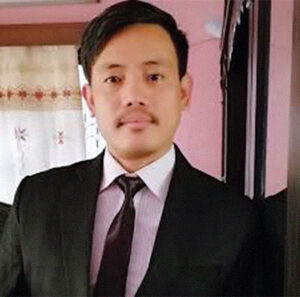
Suraj Limbu
40, Gay, Birgunj, (He/HIM)
In Parsa Birgunj, a deepening funding crisis is affecting HIV prevention and LGBTQIA+ support programs, putting vulnerable communities at greater risk.
“After funding cuts, especially in recent years, HIV prevention and awareness programs have been severely affected, and we are now seeing rising risk behaviours and drug use in the community,” says Suraj Limbu, a 40-year-old gay man and Project Coordinator at Sahayatri Samaj Nepal (SSN).
He adds that around 500 trans women are currently active across different hotspots in Parsa, many engaged in low-income sex work for survival, while substance use has also increased in the past three years. Factors such as stigma, isolation, open borders, and lack of livelihood opportunities are worsening the situation.
Previously, organisations received support from donors such as FHI, RHRN, the US Embassy in Nepal and BDS, which helped run outreach and Pride activities. However, current funding has largely disappeared, leaving community programs and events on hold. Local LGBTQIA+ networks in Parsa now include over 600 members, but activists warn that without renewed support, years of progress in HIV prevention and community protection could be reversed.
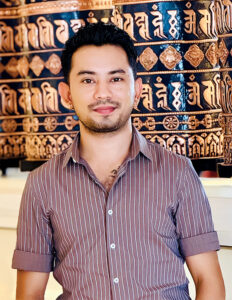
Uttam Thapa
29, Chitwan, Queer (They/Them)
Uttam Thapa, who identifies as a queer and gender-fluid person, has been actively advocating for the rights, physical health, and mental well-being of the LGBTQIA+ community at the grassroots level in Chitwan. Speaking to WOW, Uttam shares that the community will not be celebrating Pride this year due to a severe financial crisis. ‘‘We used to celebrate Pride every year, but this year we are not celebrating because we do not have the budget”, Uttam says.
Chitwan is home to more than 120 members of the LGBTQIA+ community. Despite their strong presence and continued advocacy, the lack of financial support has made it difficult to organise Pride celebrations and other community programs this year.
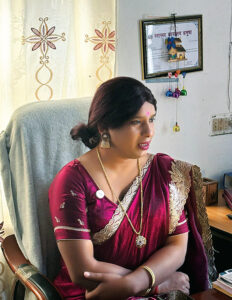
Nisha Shah
Transwoman, Dhanusa (She/her)
Dhanusha district has long been home to more than 200 members of the LGBTQIA+ community. However, the community is currently facing a serious financial crisis, making it difficult to continue advocacy and organize public events.
A transwoman named Nisha Shah, who lives in Janakpur, shared that this year they will not be able to celebrate Pride physically due to the lack of funding. According to her, the community has not received any financial support since last year, which has severely affected their activities and outreach programs. “We have not received any funds since last year, so we cannot afford to organise physical Pride events this year,” Nisha says. “But we will continue speaking for our rights through social media and virtual platforms.”
Despite the financial challenges, members of the LGBTQIA+ community in Dhanusha remain determined to raise awareness, advocate for equal rights, and keep their voices heard through online campaigns and digital activism.