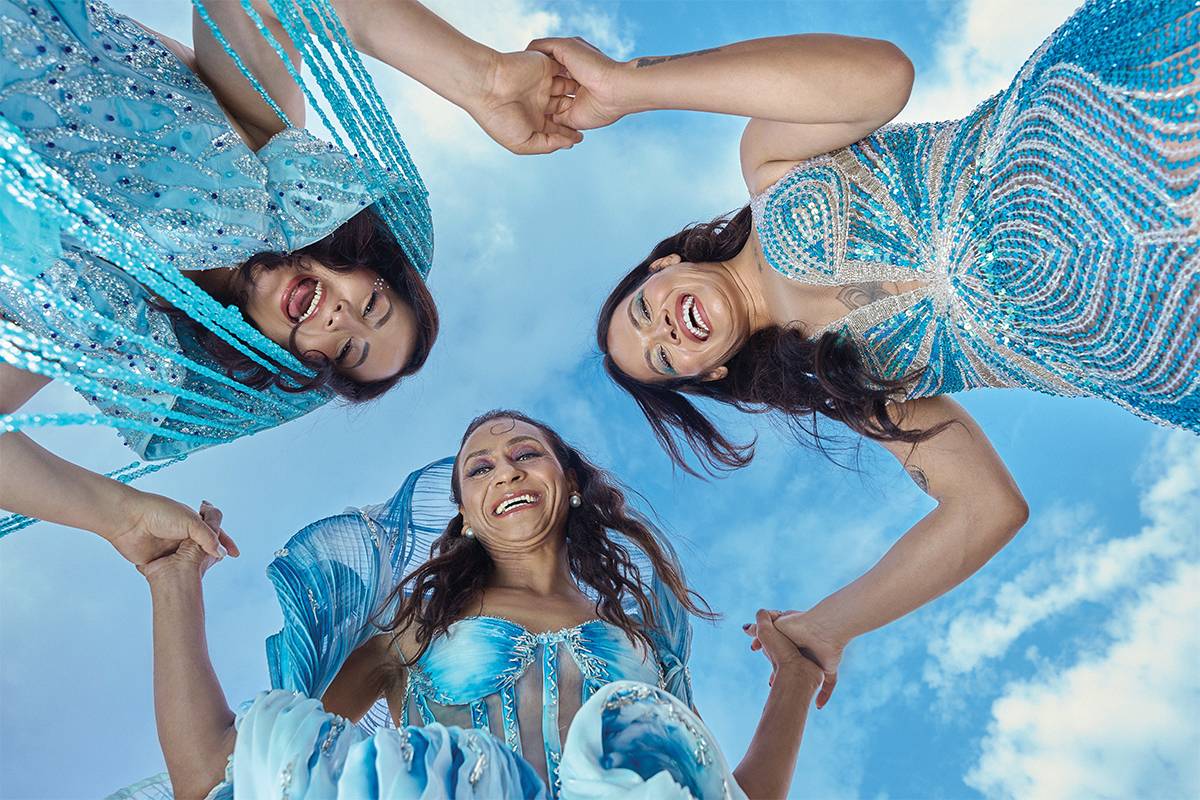
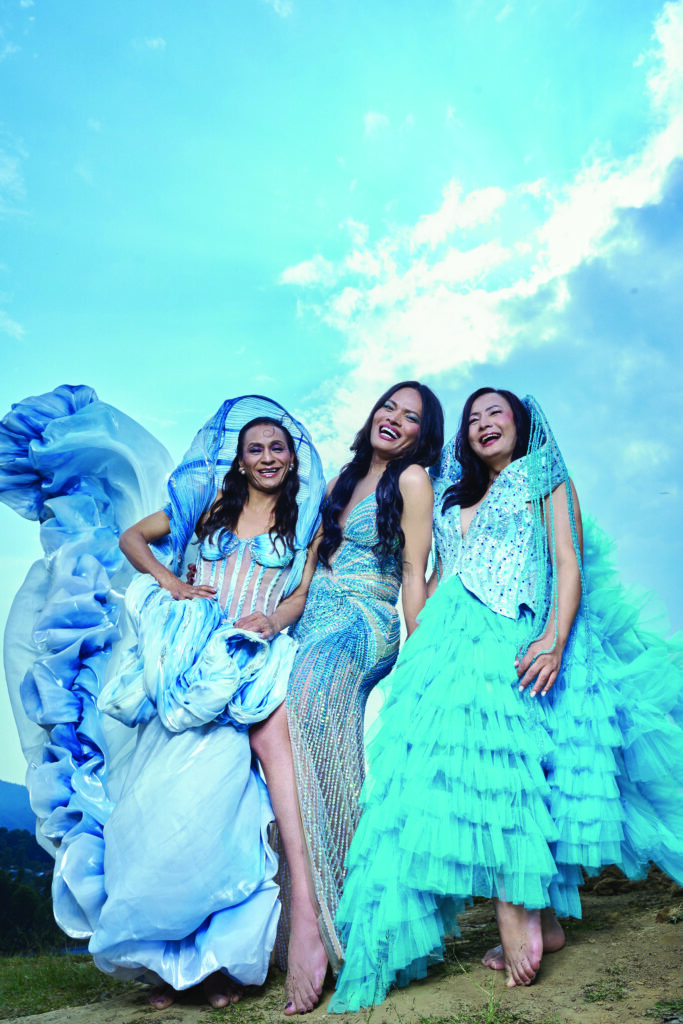
Three transgender women. Three extraordinary paths. One shared belief: authenticity has the power to change lives. This Pride Month, WOW brings together actor Pushpa Thing Lama, activist Umisha Pandey and mountaineer Nilam Poudel to talk about the colour of their lives. From the Cannes spotlight to community advocacy and the summit of Mount Everest, their journeys reflect resilience, ambition and the courage to be seen.
Their journeys are not defined by identity alone but by what they have achieved while challenging expectations and expanding possibilities for others. Together, they represent a future where visibility leads to opportunity, inclusion and lasting change.
Pushpa Thing Lama
Cinema has the power to transport us into unfamiliar worlds but occasionally it does something even more profound. For Pushpa Thing Lama, Elephants in the Fog marked both a personal milestone and a cultural one. Making her acting debut in a film that would go on to receive international recognition is extraordinary in itself. Yet what makes Pushpa’s journey particularly significant is the quiet honesty she brings to the stories she tells.
As Pirati, she portrays a transgender woman navigating life’s complexities with resilience and grace. The performance is deeply human, offering audiences a glimpse into experiences that have too often remained unseen.
Today, as Nepali cinema earns increasing global attention, Pushpa finds herself at the centre of a transformative moment.
Grounded, thoughtful and hopeful, she speaks about storytelling, representation and the responsibility that comes with visibility.
PUSHPA | NATURE
Blended with nature, Pushpa represents growth, resilience and belonging. Rooted in authenticity, her portrait reflects the quiet strength of living boldly and flourishing on her own terms
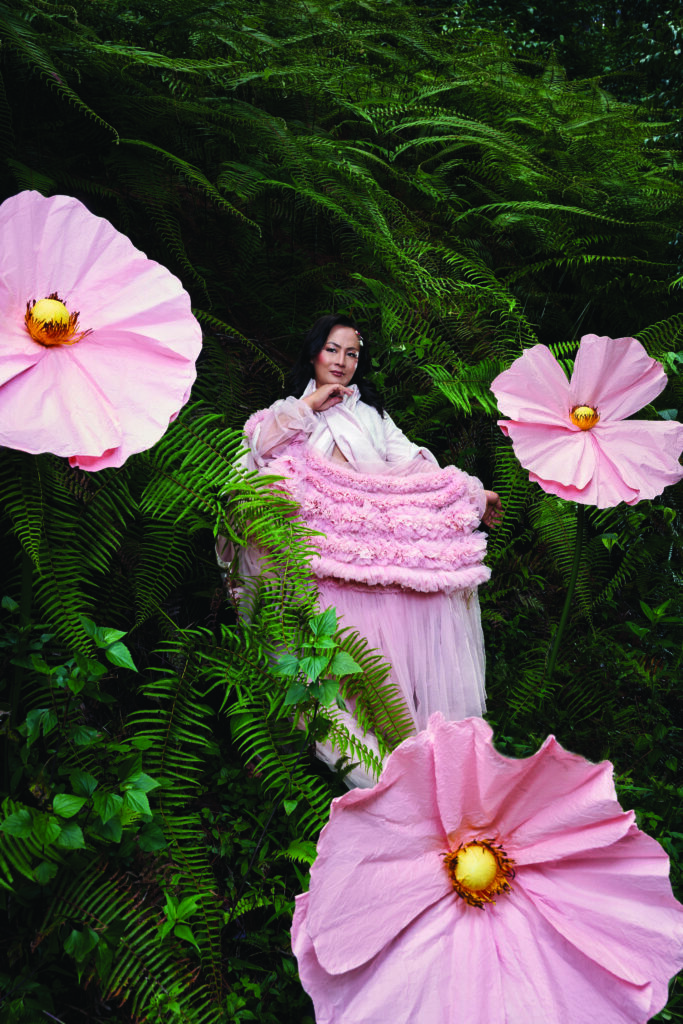
on Pushpa: @dip_ika_rathi @sangram_officiall Set Design: Garima Florist
Elephants in the Fog has made history at Cannes. What was going through your mind when you realised you were part of a film that could change the narrative for Nepali cinema?
It felt surreal. When we began working on the film, our intention was simple. We wanted to tell an honest story with sincerity and care. We believed in the project, but none of us imagined the scale of recognition it would receive. When the news came that the film had achieved something historic at Cannes, my first thought was not about myself. I thought about Nepali cinema and the many talented people who have spent years creating meaningful work, often without international visibility.
Your character, Pirati, carries both strength and vulnerability. What parts of her story felt closest to your own journey?
Pirati was not an easy character to portray. The process required a great deal of preparation and emotional investment. While I do not share every experience that Pirati goes through, there are aspects of her life that felt familiar. Her backstory, her resilience and some of the realities she faces reminded me of experiences I have witnessed and lived around.
That connection helped me approach the role with authenticity. It allowed me to understand her not just as a character but as a person.
Had you ever imagine seeing transgender women at the centre of a story that would reach a global stage like Cannes?
Not at all. Growing up, I rarely saw transgender women portrayed as complete human beings in mainstream stories. We were often invisible or reduced to stereotypes. Because of that, it was difficult to imagine a future where transgender women would be leading a film celebrated on a global stage.
I certainly never imagined that I would one day walk the red carpet at Cannes myself. That experience was emotional because it represented something much larger than personal achievement. It showed that our stories deserve to be seen and valued.
With the film shining the light on lives of transgender women in Nepal, what conversations do you hope it sparks, both here and abroad?
I hope the film encourages people to look beyond assumptions. Here, I hope it creates conversations about dignity, inclusion and understanding. I want people to see the realities of transgender women’s lives, including our struggles, dreams and contributions to society.
Internationally, I hope audiences gain a broader perspective on our experiences. While some challenges are universal, our stories are also shaped by our culture, our communities and our country. At its heart, I hope the film reminds people that transgender rights are human rights.
Visibility can be empowering, but it can also bring pressure. How do you navigate being seen as a role model?
I focus on staying true to my values, continuing to learn and being accountable for my actions. I want people to see that growth is part of every journey. Most importantly, I remind myself and others that we are all human beings first.
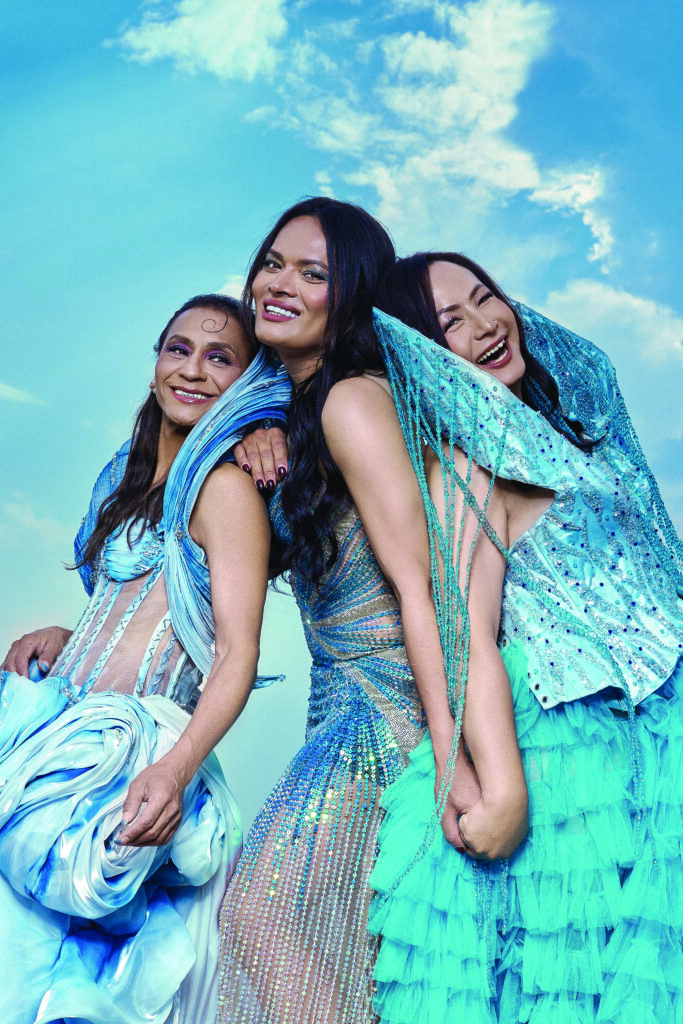
You share this WOW cover with other transgender women who are breaking barriers in different fields. What does sisterhood mean to you?
Sisterhood means support, understanding and shared strength. No one achieves progress alone. Every success is connected to the people who encourage us, challenge us and stand beside us during difficult moments.
Being part of this cover alongside other transgender women feels incredibly meaningful because it reflects how far our community has come together. We all have different stories, but we are connected by a shared belief in creating a more inclusive future.
Beyond representation, what dreams and ambitions do you have for yourself?
I hope to create a meaningful body of work while also contributing positively to society. If my journey can inspire someone else to pursue their dreams, that would be incredibly rewarding.
When a young transgender person sees you on this cover or on screen, what is the one message you hope they take away?
I want young transgender people to know that they can dream boldly, take up space and live authentically. Nepal has already made important progress in recognising LGBTQIA+ rights, and there is still more work to be done.
With continued collaboration between communities, organisations and institutions, positive change is possible. Most importantly, I hope they understand one thing: they are not alone.
Umisha Pandey
A Future Beyond Survival
Some people create change through grand gestures. Others transform lives through years of steady, determined work. For Umisha Pandey, advocacy has never been about recognition. It has always been about creating a world where future generations can live with greater freedom and dignity than those who came before them.
As the President of Blue Diamond Society, she has spent years helping shape Nepal’s LGBTQIA+ rights movement. Her leadership has contributed to conversations around equality, visibility and inclusion at a time when those discussions are more important than ever.
Yet beyond her public role is a woman deeply committed to community. Whether mentoring young people, championing policy reforms or stepping onto the set of Elephants in the Fog, Pandey continues to use every platform available to amplify stories that deserve to be heard.
Measured and compassionate, she believes progress is built not only through laws but through everyday acts of acceptance. Her vision extends beyond representation. It is about ensuring that transgender people are able to live fully, openly and without fear.
UMISHA | WATER
Immersed in water, Umisha embodies transformation, fluidity and renewal. Her image captures a journey of courage, adaptability and the power of embracing change.
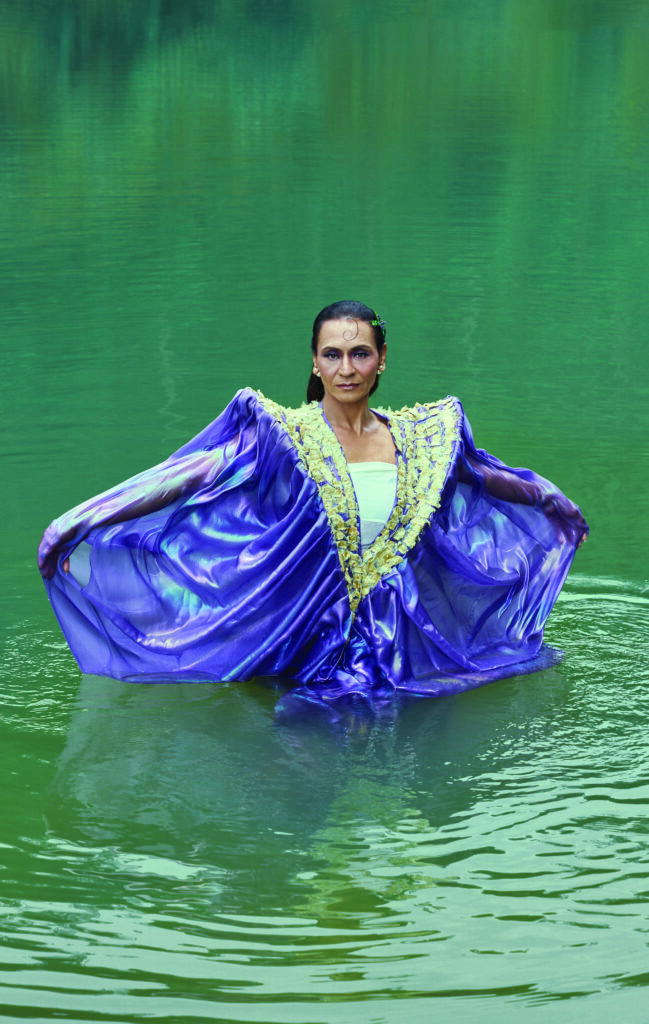
On Umisha: @mamtamaskirana
You have spent years advocating for LGBTQIA+ rights in Nepal. Looking back, what moment made you realise real change was possible?
One moment that stays with me is when Nepal’s Supreme Court recognised the rights of LGBTQIA+ people in 2007 and the government later began issuing citizenship documents that reflected self-identified gender.
It was more than a legal victory. It was about seeing people finally able to exist as themselves. Friends and community members who had spent years feeling unseen suddenly had recognition. Watching those changes unfold made me realise that collective action can genuinely transform lives.
As President of Blue Diamond Society, what are the biggest challenges and hopes you see for Nepal’s transgender community today?
The biggest challenge remains social acceptance. We have made important legal progress, but many transgender people continue to experience rejection from families, barriers in employment and discrimination in everyday life.
At the same time, I am hopeful. I see young transgender people showing up with confidence in schools, workplaces and public spaces. They are claiming opportunities that earlier generations could only dream of. That gives me tremendous optimism for the future.
You also made an appearance in Elephants in the Fog. What did it mean to be part of a film that has brought transgender stories from Nepal to a global audience?
It was incredibly emotional. For many years, transgender lives were either invisible in mainstream storytelling or reduced to stereotypes. This film does something different. It presents us with dignity, complexity and humanity.
What I love most is that the story is not solely about identity. It is about relationships, resilience, friendship and everyday experiences. It allows audiences to connect with us as people first.
Advocacy often requires strength. What keeps you grounded when the work feels overwhelming?
Community. Whenever I feel exhausted, I return to the people around me. Conversations with young activists, community members and colleagues remind me why this work matters. I also try to celebrate small victories. A young person finding a job. A family choosing acceptance. A policy being implemented correctly. Those moments may seem ordinary, but they change lives. And honestly, joy is important too. Our community has always found ways to celebrate, even in difficult times.
This WOW cover celebrates transgender women making an impact across different fields.
What does representation like this mean to you personally?
It means possibility. Representation tells people that we belong everywhere. In leadership, in art, in politics, in business and beyond. When young transgender girls see women like them succeeding, they begin to imagine new futures for themselves. That is the real power of visibility. For me, this cover is also a reminder of the many people who fought for these moments long before they became possible.
How has your understanding of leadership evolved over the years?
When I was younger, I thought leadership meant speaking the loudest. Today, I think it is much more about listening. Leadership means creating opportunities for others, amplifying voices that are often overlooked and ensuring that progress reaches everyone within the community. No two transgender experiences are exactly the same, and good leadership recognises that diversity.
Beyond policies and rights, what cultural shifts does Nepal still need to embrace?
Acceptance must begin at home. We need families who support their children, schools where students feel safe and workplaces that value people for their abilities rather than their identities. Most importantly, we need everyday conversations that normalise gender diversity. Laws are important, but culture is what shapes how people live.
If you could write a headline for the future of transgender rights in Nepal, what would it say?
“Nepal Celebrates Full Equality: Every Transgender Citizen Lives, Works and Dreams Without Fear.” For me, that is not just a headline. It is a future worth building.
Nilam Poudel
Beyond the Summit
The world remembers the photograph taken at the top. What it rarely sees are the years of preparation, sacrifice and resilience required to get there. When Nilam Poudel became the first transgender woman from Nepal to summit Mount Everest, she achieved far more than a mountaineering milestone. She challenged assumptions about who belongs in spaces traditionally closed to transgender people and demonstrated what becomes possible when determination outweighs doubt.
The journey was anything but straightforward. Sponsors turned away. Resources were scarce. There were moments when the dream felt impossible. Yet Nilam refused to abandon it.
Drawing on the same persistence that had guided her throughout life, she continued forward one step at a time until she reached the highest point on Earth. Today, her story resonates far beyond the mountaineering community. It speaks to anyone who has ever been underestimated, overlooked or told that their ambitions are too big.
Warm, reflective and remarkably grounded, Nilam understands that her greatest achievement is not standing on Everest. It is showing others that they belong wherever their dreams take them.
NILAM | FIRE
Surrounded by fire, Nilam symbolises passion, strength and self-expression. Her portrait celebrates the courage to rise, shine and live unapologetically as herself.
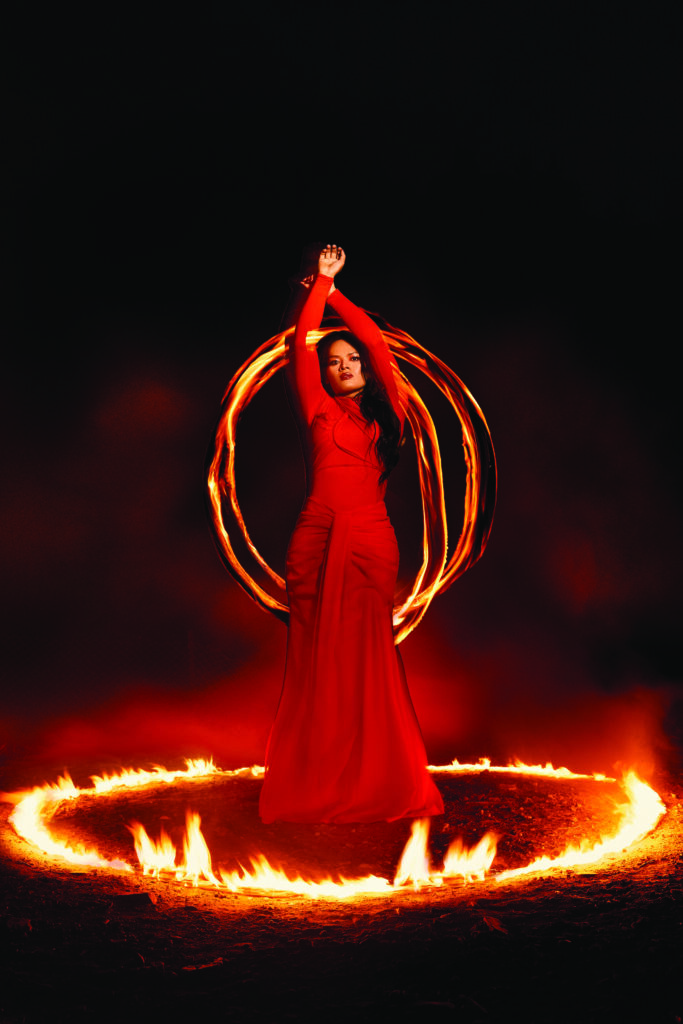
On Nilam: @neonthelabelsofficial @d.srytaa
Standing on the summit of Mount Everest is a dream few people achieve. What was the first thought that crossed your mind when you reached the top?
I was overwhelmed. For a few moments, I could barely speak. Tears filled my eyes as I thought about the many members of our community who continue to face rejection while simply trying to live authentically.
Reaching the summit was not only a personal achievement. It felt like a statement of resilience. Standing there reminded me that determination can overcome prejudice.
You made history as the first transgender woman to summit Everest. How do you balance that milestone with your own personal journey beyond the headlines?
People often see the achievement but not the years that came before it. There were many moments when I questioned myself and wondered whether I was enough. While I am proud of making history, my greatest victory was accepting myself fully and refusing to hide who I am. Before I climbed Everest, I had already overcome many personal mountains.
What lessons from the mountains have helped you navigate life away from them?
The mountains taught me patience. They showed me that progress often happens one step at a time. Even when the destination feels impossibly far away, every small step matters. They also taught me that vulnerability is not weakness. It is simply part of being human.
Was there a moment during the climb when you doubted yourself?
Many times. There were moments when my mind wanted to stop before my body did. I questioned whether I could continue. Then I thought about the transgender young people who have dreams of their own. I wanted them to know that trying matters, even when success is uncertain. That thought helped me keep moving forward.
As someone breaking barriers in adventure sports, what changes would you like to see to make the outdoors more inclusive?
I would like people to be valued for their effort, potential and determination rather than judged through assumptions about identity. Everyone deserves equal opportunities and respect. Human rights should never depend on gender identity. The same opportunities available to one person should be available to all.
What does being part of this WOW cover alongside other transgender women mean to you?
It means more than people might realise. Growing up, I never saw anyone who looked like me featured in magazines or celebrated in mainstream media. If a young person sees this cover and feels less alone because of it, then being here becomes something much bigger than a photoshoot. That thought fills me with gratitude.
People see the summit photograph, but not the sacrifices behind it. What do you wish more people understood about your journey?
The emotional challenges were often harder than the physical ones. Being rejected, underestimated and constantly having to prove your worth can be exhausting.
There were days when I looked strong from the outside while privately struggling with disappointment and self-doubt. Those experiences taught me that courage is not the absence of fear. Courage is continuing despite it.
You have conquered the world’s highest peak. What’s your next mountain?
The next mountain is creating opportunities for others. I do not want my achievement to remain an exception. I want it to become proof that transgender women can pursue any dream they choose.
My hope is that one day the phrase “first transgender woman” will no longer be necessary because equality will be so normal that it no longer needs explanation. That, for me, would be the most meaningful summit
of all.
On the cover: Pushpa Thing Lama, Umisha Pandey & Nilam Poudel
Interview: Ankita Jain (jain.anki)
Photographer: Pawan Joshi (@pawanjoshii
@pj_studio)
Makeup artist: Ashmita Kandel (@asmita_hmua)
Hair artist: Deeya Magar (@hairstylist_deeya)
Stylist: Ashim Ranabhat @ashimranabhat