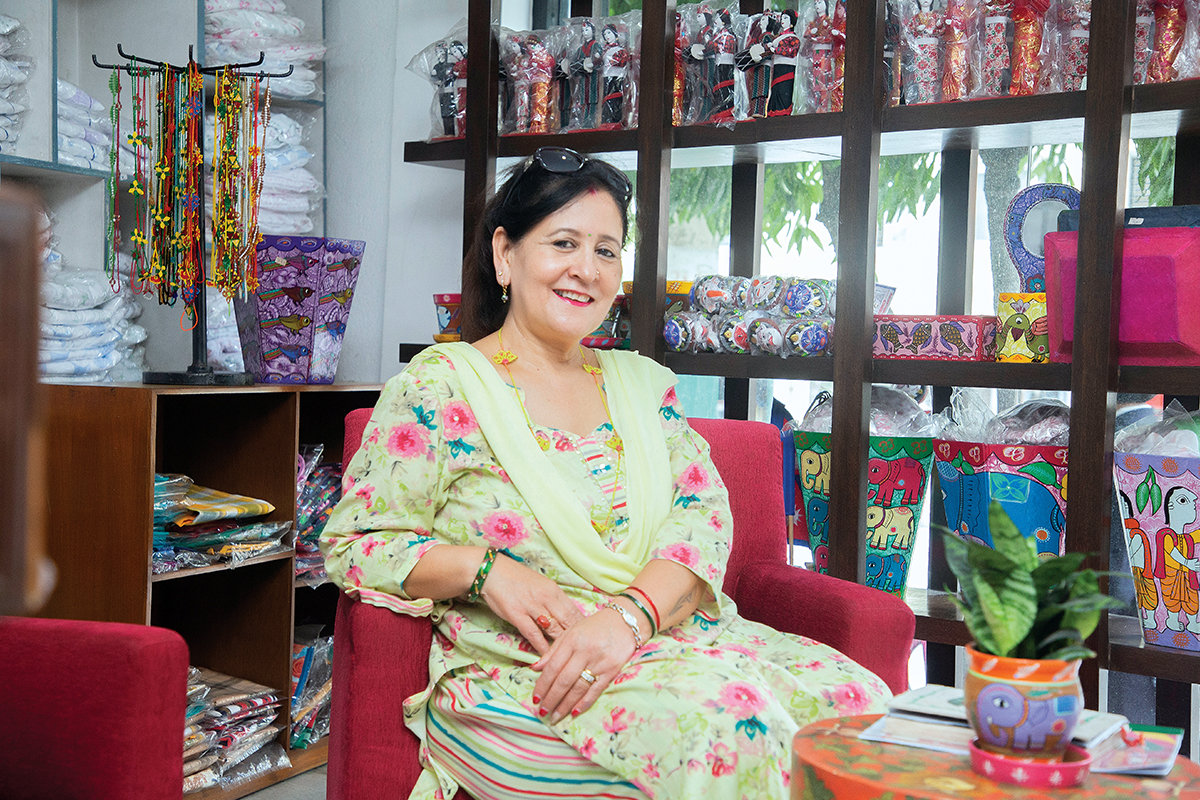


Bkey Agarwal, Host, Director and Producer of Comedy Darbar
If I were teaching my son about feminism, I would begin by keeping it simple, honest, and rooted in everyday life rather than heavy theory. I would explain that feminism is not about women being “better” than men; it is about fairness, respect, and equal opportunity for everyone.
From a young age, I would model equality at home. Children learn more from what they see than what they are told. Sharing household responsibilities, respecting each other’s opinions, and valuing emotional expression would quietly teach him that roles are not defined by gender. I would encourage him to express his feelings openly, helping him understand that strength lies not in dominance, but in empathy and self-awareness.
As he grows, these lessons would become more direct. I would talk about how society can treat people unfairly based on gender, whether in education, work, or daily interactions. I would encourage him to question stereotypes such as “boys don’t cry” or “girls can’t lead”, and help him see how limiting these ideas are for everyone.
Equally important is teaching respect in relationships. I would emphasise consent, listening, and kindness, ensuring he understands that everyone deserves to feel safe and valued. I would also teach him to recognise his own privilege where it exists, not to feel guilty, but to act with awareness and responsibility.
Finally, I would encourage him to be an ally, not just by believing in equality, but by standing up for it. Whether calling out unfair behaviour among friends or supporting the ambitions of others, small actions matter. In the end, teaching my son about feminism is really about raising a good human being, one who respects, supports, and uplifts others, regardless of gender.

Dilip Shrestha, Counselling Psychologist, Certified Gestalt Psychotherapist Ashtanga Yoga Teacher
More than any professional role I play, being a father shapes how I teach my son about feminism. It begins at home, through everyday actions. My wife, an entrepreneur, and I share responsibilities equally, and we do so with care and mutual respect. This balance becomes his first lesson, showing that responsibility is not defined by gender.
I consciously guide him to see his mother not only as a caregiver, but also as a resilient, independent, and assertive individual with her own ambitions. I encourage him to recognise her dedication and to speak to her with respect and warmth.
Some of the most meaningful moments are the simplest ones, when we do household chores together and he insists on taking on tasks himself, whether washing dishes, cleaning, or setting the table. Through this, he begins to understand that work has no gender. These are life skills, not responsibilities assigned to one person.
As a psychotherapist, I know children learn through observation. When he experiences equality and partnership rather than hierarchy, he begins to internalise those values. From a broader perspective, I also emphasise responsibility, self-awareness, and resilience, all of which are grounded in respect for others.

Prabhat Karki, Director, Ramada by Wyndham, Chairperson of Ecohiv Hospitality
As a parent, I have always believed that a child learns not only through textbooks, but through everyday observation. Teaching my son about feminism begins at home, through small and consistent actions.
I grew up in a household where my father led a demanding public life as Pradhan Pancha, while most responsibilities of raising the children and managing the home fell upon my mother. She was the driving force that kept the family moving. Today, I see echoes of that dynamic in my own life, with my wife maintaining a constant and nurturing presence at home while I remain occupied with work.
As I watch my son grow, I recognise that teaching him about feminism begins with acknowledging this imbalance rather than overlooking it. I involve him in everyday responsibilities such as cleaning and organising, so he learns early that caring for a family is a shared responsibility, not one defined by gender.
I also make a conscious effort to frame his mother’s role as leadership. Feminism, to me, is not just a theory, but a practice, one that is demonstrated through respect, awareness, and shared responsibility. I want him to grow into a man who does not simply “help” his future partner, but stands beside her as an equal, carrying responsibilities together with pride.

Prakash Rai, MPhil Scholar of Sociology Tribhuvan University
The family is the primary institution of society. As Mahatma Gandhi observed, it is the first school, and parents are the first teachers. If my son is to understand society, that learning must begin at home.
Feminism highlights how social structures create inequality between men and women, often presenting these differences as “natural” through the lens of biological sex. It helps distinguish between sex and gender, showing that gender roles are socially constructed rather than inherent. As a movement, feminism challenges these inequalities and seeks to create a more just and equitable society.
I want my son to understand two fundamental truths. First, that there is no difference between men and women in their socio-economic potential. Second, that inequality must be actively addressed if we are to build a fair society.
Through this understanding, he should never discriminate against women, whether within the family or the wider community. At home, I ensure he participates in everyday tasks, including kitchen work, while I also share responsibilities with his mother. These small but consistent actions help reinforce that gender should never determine one’s role or value.