Once crowned, forever changed. The women who once wore Nepal’s most coveted titles have stepped beyond the runway, leading businesses, building NGOs and shaping policy. What began as a moment on stage has evolved into movements of purpose and influence. In this issue of WOW, we follow three remarkable women – Nagma Shrestha, Jane Dipika Garrett and Ishani Shrestha – to discover how their crowns became catalysts for growth, leadership and legacy.
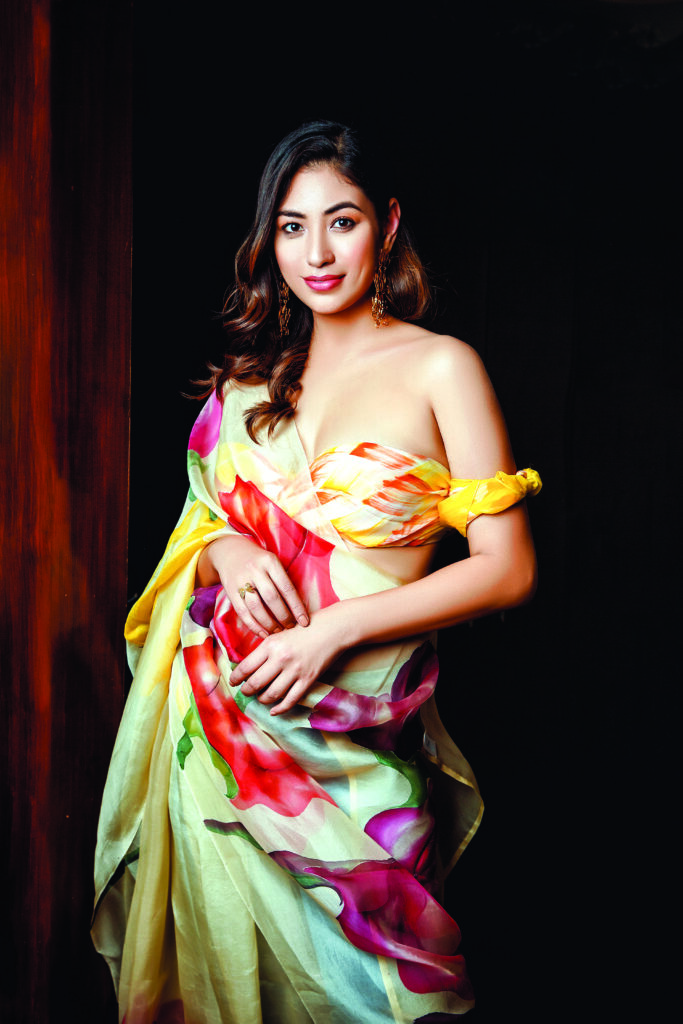
Nagma Shrestha
Miss Universe Nepal 2017 & Former National Director, Miss Universe Nepal (2020–2023)
As the first woman to pioneer and receive the Miss Universe Nepal title, Nagma Shrestha has spent more than a decade redefining what it means to represent a nation from global stages to policy advocacy at the United Nations.
When you think back to your Miss Nepal days, what’s the first thing that flashes in your mind – the thrill, the chaos or the dream that started it all?
I was just 20 when I competed in Miss Nepal but the journey began much earlier when I entered my first pageant at 16. I was young, full of hope and carrying a big dream of representing Nepal on an international stage. I didn’t fully understand the pressure or expectations back then; I just knew it meant something bigger than me. The dream was never just about winning; it was always about becoming.
I remember the small things: carrying a diary where I would practise Q&A by hand, rehearsing late into the night with my mum, my dad dropping me off to training, my brother cheering me on from the UK, and my grandparents quietly praying for me at home. We didn’t have teams or stylists or media hype. What I had was my family, my fire, and a lot of handwritten notes. So, while there was chaos and thrill, what flashes first is that pure dream, and more than anything, the image of my family standing quietly and constantly behind it.
Pageants often get tagged as all sparkle and spotlight, but you have turned that stage into something bigger. What was your turning point from crown to cause?
To be honest, I wouldn’t call it a turning point, because service was always part of the journey. Even before pageantry, I was deeply passionate about working with people and for people. The crown did not start the cause, but it definitely helped amplify it. Of course, there was sparkle, and I am grateful for the visibility it brought. But for me, pageantry was never just about the sash or the stage. It was a platform and a powerful one. I knew early on that if I used it well, I could reach people, build projects and speak on things that actually matter. So, I have simply continued on that path, just with different tools and titles along the way.
Life after Miss Nepal isn’t exactly a fairytale. What were the real-world challenges that made you stronger?
In my case, life after Miss Nepal wasn’t about the spotlight fading, it was about the spotlight evolving. I didn’t stop after the crown. I had started my pageant journey at 16, then again at 18, and by 20 I was competing in Miss Nepal. After that, I represented Nepal at Miss Earth, and then continued on to World Miss University in China, Miss Eco International in Egypt, and Miss Universe in 2017. Eventually, in 2020, I stepped into leadership as the National Director for Miss Universe Nepal.
So, my representation of Nepal, and my identity as a Miss Nepal, never really stopped. It simply shifted form, from stage to strategy, and from participant to leader. The challenges were not limited to after Miss Nepal; they were part of the entire journey. Every stage, every competition, and every leadership decision came with its own lessons. From preparing without proper resources in the early days to dealing with industry politics to organising a national pageant during a pandemic, I had to constantly adapt, grow and build from the ground up.
One of the most personal and powerful lessons I learned was the strength of forgiveness. In leadership, you face criticism, misunderstanding and sometimes, even betrayal. I had to forgive situations and people, not because what happened was okay but because I needed to free myself from the weight of holding on. Forgiveness gave me the clarity to keep going and the space to grow.
Through it all, I realised that while pageants gave me a platform, education and self-development gave me staying power. I went back to school. I began advocating in global spaces. I transitioned into policy and purpose-driven work with the International Association of Youth and Students for Peace (IAYSP) at the United Nations. There, I began advocating for youth leadership, safe spaces, and dignity in the world of work. We often talk about world peace, but forget that peace must start within. I hold that message close: Peace Starts With Me.
No matter the spotlight or the title, it is your values, emotional strength and long-term vision that carry you forward. This journey was not a fairytale. It was real, layered, exhausting, beautiful and deeply personal. Every challenge I faced shaped the woman I am still becoming.
You have swapped gowns for goals, from running businesses to leading advocacy work. How did you find your power beyond the pageant?
My power grew when I stopped chasing visibility and focused on building something real. Pageantry gave me recognition, but beyond that, I had to prove myself through action. Running a business, leading a national platform, and now working in advocacy spaces such as the United Nations, all of these roles required learning, unlearning and stepping into rooms where I had to earn my place.
Education played a huge role in that. I truly believe knowledge is power and it helped me grow from representing a platform to building one. The confidence to lead, to speak up, and to shape long-term impact came from investing in my own learning, both inside and outside the classroom.
That is something I would tell every young girl. The crown can be a beautiful starting point but your voice, your vision, and your willingness to keep learning will take you further. Whether I was creating Nepal’s first digital pageant during the pandemic or advocating today for safe spaces and youth participation in policymaking, I have found strength in understanding systems and building solutions.
Pageantry taught me grace under pressure. Everything after that taught me the value of depth over dazzle. You do not need a crown to lead. You need clarity, skills and a commitment to growth.
If you could give one piece of advice to the next Miss Nepal, what would you tell her about keeping the crown meaningful long after the cameras stop rolling?
Do not be desperate to compete in just anything and everything. Be selective. Understand the organisation behind the pageant. Read the fine print. You are not just joining a competition, you are entering a serious space where your time, energy, image, and rights are involved. Before signing up, make sure you review the terms and conditions carefully. Ask if the organisation has clear policies to address issues such as sexual harassment. Your safety and dignity should never be compromised.
If something feels off or unclear, ask questions. Have your parents, a trusted friend, or a legal advisor go through the agreement with you. Always make sure things are in writing because verbal promises are not enough. Many pageants in Nepal are still run by men, and while some may be supportive, they do not always fully understand the unique pressures and vulnerabilities young women face. The power dynamics are real. Do not let anyone take advantage of your ambition or silence your concerns. Your self-worth is never up for negotiation.
Beyond competitions, my deeper advice is this: keep growing. Continue learning, both academically and personally. Develop your leadership, expand your knowledge, and strengthen your inner world. The crown may open doors, but it is your mindset, your voice, and your values that will shape what you do once you walk through them.
We often talk about world peace but we must remember that peace at a global level begins with peace within. That is something I truly believe – peace starts with me. When you are grounded, when you lead from a place of alignment and self-awareness, your influence becomes more powerful and lasting. Protect your peace, stay informed, choose wisely, and use your platform to create something meaningful. In the end, it is not the crown that defines your reign. It is the legacy you build through your work, your integrity, and your heart.
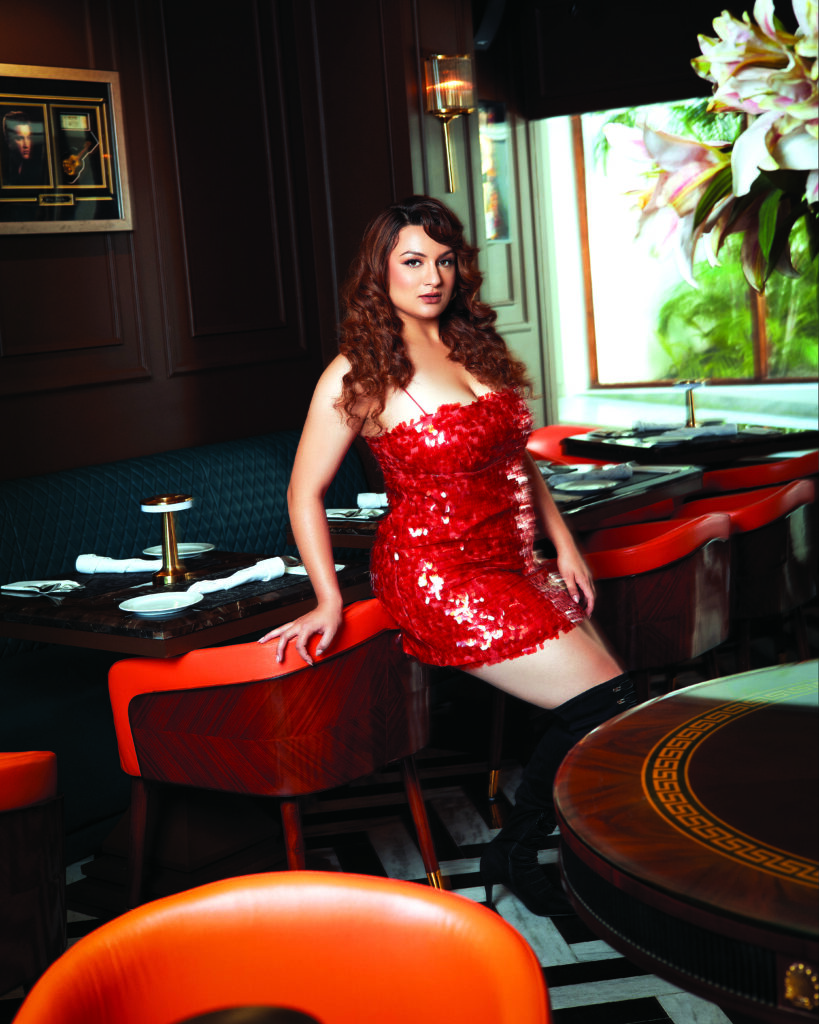
Jane Dipika Garrett
Miss Universe Nepal 2023; Top 20 at Miss Universe & Global Advocate for Body Inclusivity
Jane Dipika Garrett’s journey is one of quiet revolution. As the first plus-size contestant to compete at Miss Universe, she broke global stereotypes and became a symbol of representation and self-acceptance for women everywhere.
When you think back to your Miss Universe Nepal days, what’s the first thing that flashes in your mind – the thrill, the chaos, or the dream that started it all?
Honestly, the first thing that flashes in my mind is the dream. I was a young woman full of hope, trying to find meaning and purpose in a world that constantly told me I wasn’t “enough.” The thrill and chaos came later – the makeup, the lights, the pressure but at its core, it was a dream rooted in wanting to make a difference and to represent women who don’t fit into traditional moulds of beauty. That dream is what truly carried me through everything.
Pageants often get tagged as all sparkle and spotlight, but you have turned that stage into something bigger. What was your turning point from crown to cause?
The turning point came when I realised that beauty fades but purpose doesn’t. After Miss Nepal and Miss Universe, I saw how my story – especially being a curvier woman on an international stage – resonated with so many people. I started getting messages from women saying I made them feel seen and worthy again. That’s when it hit me: this wasn’t just about a title; it was about using that platform to challenge standards, inspire confidence and spark transformation from within. That became my true cause.
Life after winning the title isn’t exactly a fairytale; what were the real-world challenges that made you stronger?
So many. Moving abroad, losing my mum, starting over in a completely new country – it broke me and rebuilt me. I faced financial struggles, burnout, health issues with PCOS and low self-esteem, heartbreak and even identity crises. My confidence shattered. But each challenge forced me to grow up, to find my faith again, and to create stability from within instead of waiting for life to feel “perfect.” Those real-world challenges taught me resilience, emotional strength, and the importance of building a life rooted in purpose, not external validation. Now, I am stronger than I have ever been, a little wiser and braver. Don’t let pain define you; let it refine you into purpose and power.
You have swapped gowns for goals. How did you find your power beyond the pageant?
I found my power when I stopped trying to be ‘Miss Nepal’ and started being Jane Dipika. For a long time, I was attached to that identity but I realised my worth didn’t come from a crown; it came from my ability to impact others, to evolve and to stay authentic even when it’s messy. Whether I am creating content, modelling, running my brand, or helping others transform their lives, I now lead from a place of honesty and purpose rather than perfection. That’s where my true power lies.
If you could give one piece of advice to the next Miss Nepal, what would you tell her about keeping the crown meaningful long after the cameras stop rolling?
Don’t treat the crown like a finish line, it’s just the beginning. The moment you take it off is when you truly discover who you are beyond it. Use that experience as fuel to build your own brand, your purpose, and your freedom. The world doesn’t remember the crown; it remembers the woman who wore it with purpose.
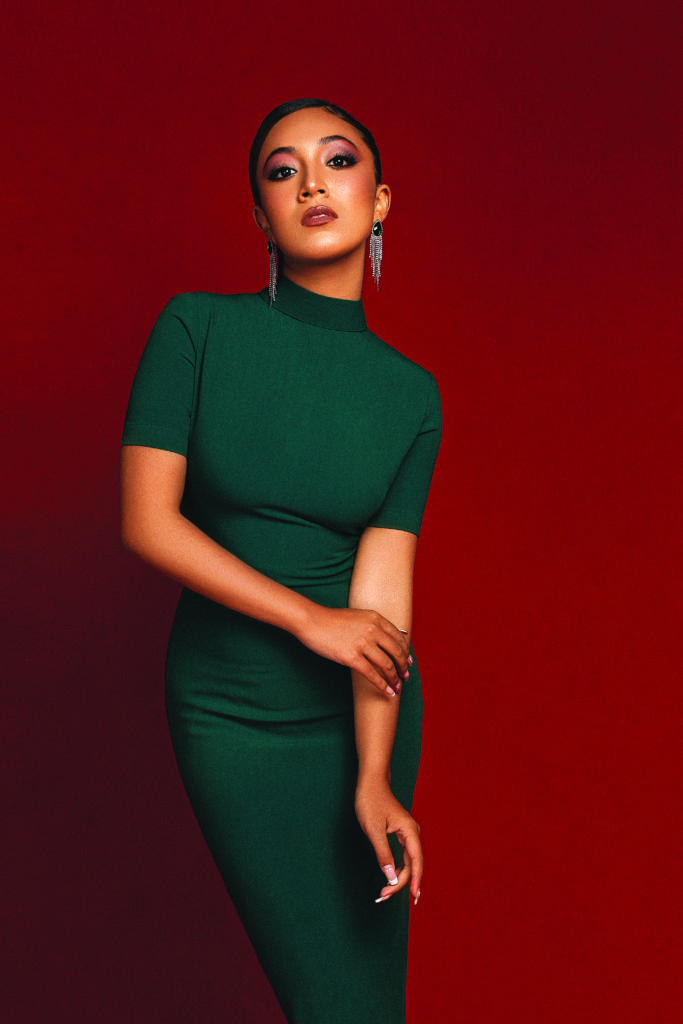
Dr Sareesha Shrestha
Miss Earth Nepal 2022
Dr Sareesha Shrestha’s journey through pageantry was never about the sparkle alone, her passion for social impact and public health propelled her to use the Miss Earth Nepal platform as a springboard for meaningful initiatives. With academic pursuits at Harvard Medical School and Boston University complementing her on-stage experiences, Dr Sareesha continues to fuse advocacy, entrepreneurship and leadership in ways that extend far beyond the crown.
Your legacy is carved in meaning, not merely captured in memory.
When you think back to your Miss Nepal days, what flashes first in your mind – the thrill, the chaos or the dream?
The dream, always the dream. Those moments felt almost cinematic, fleeting in time yet deeply imprinted on my soul. Living them was exhilarating, challenging and profoundly rewarding all at once. I reflect with gratitude that I trusted my intuition, followed my inner compass rather than external noise, and took a bold leap into my destiny. The journey may have felt dreamlike but the courage it demanded was unmistakably real.
Pageants often get tagged as all sparkle and spotlight, but you have turned that stage into something bigger. What was your turning point from crown to cause?
There was never a turning point because for me, the cause preceded the crown. Long before pageantry, I was immersed in social work, community campaigns and leadership platforms that shaped my worldview. What drew me to pageants was not merely the spotlight but the immense potential the platform held: the ability to amplify and transform a personal mission into a wider social conversation. The stage became a larger vessel to carry a purpose I already held close. It also opened doors for me to refine my aspirations further. This calling led me to pursue academic and professional growth: completing a course in Patient Safety, Quality, Informatics and Health Leadership at Harvard Medical School, and currently pursuing a Master of Public Health at Boston University, I also began entrepreneurial ventures and embraced emceeing as a way to connect more deeply with people, stories and ideas.
Life after Miss Nepal isn’t exactly a fairytale – what were the real-world challenges that made you stronger?
It was an honour but also a heavy responsibility. The scrutiny can distort your sense of self, challenge your purpose, and tempt you into a reality built on external validation. As a young woman, navigating expectations was overwhelming. Beyond the emotional terrain, I had to grow quickly – mastering time, mobilising resources, sharpening strategy and building endurance. Each challenge, misstep and quiet moments of doubt chiselled a stronger, more grounded version of me. These experiences later shaped my professional path and ability to step into diverse roles in both personal and professional domains.
You have swapped gowns for goals. How did you find your power beyond the pageant?
I never truly swapped anything. Whether in gowns, suits or pajamas, my aspirations travelled with me, carrying an invisible crown forged from purpose rather than jewels. My power has always stemmed from a larger vision: to create meaningful impact, to keep evolving, and to stay connected to the communities I serve. Through it all, my loved ones have been my anchor, reminding me of humility and humanity.
If you could give one piece of advice to the next Miss Nepal, what would you tell her about keeping the crown meaningful long after the cameras stop rolling?
A crown is not adorned with gold or gemstones; it is adorned with the journey you carve from it. The platform carries the dreams, hopes and expectations of many, so honour it with sincerity. Be authentic, be grateful, and value the trust people place in you. Do not strive to please everyone, but remember why you chose this path. Let even the smallest acts of compassion, integrity and inspiration keep the essence of the crown alive. Your legacy is carved in meaning, not merely captured in memory.