Aarati Thapa
Certified Yoga Trainer & Miss Nepal 2025 Finalist
Over the years, Nepali pageants have evolved tremendously. People have started to see them beyond just beauty and glamour; now, they stand for intelligence, purpose and integrity. Yet, true inclusivity is still a journey in motion.
While we now have contestants from diverse backgrounds representing different ethnicities, regions and life stories, and everyone is welcomed to participate BUT feeling equally seen and supported can still be a silent struggle. Those who come from places with limited exposure or fewer connections will find it harder to feel they belong and that’s where more guidance and encouragement are needed.
Inclusivity in pageantry is not only about opening doors; it is about changing perceptions. When a stage begins to reflect the real Nepal in its diversity, resilience and warmth it becomes more than a competition, it becomes a movement.
I have seen people from various backgrounds and fields of life step forward with courage, and that gives me hope. Pageants today are less about who looks best in the crown and more about who can carry its purpose with authenticity while representing Nepal’s spirit to the world.
Jeevan Tamang
Pageant Blogger & Content Creator
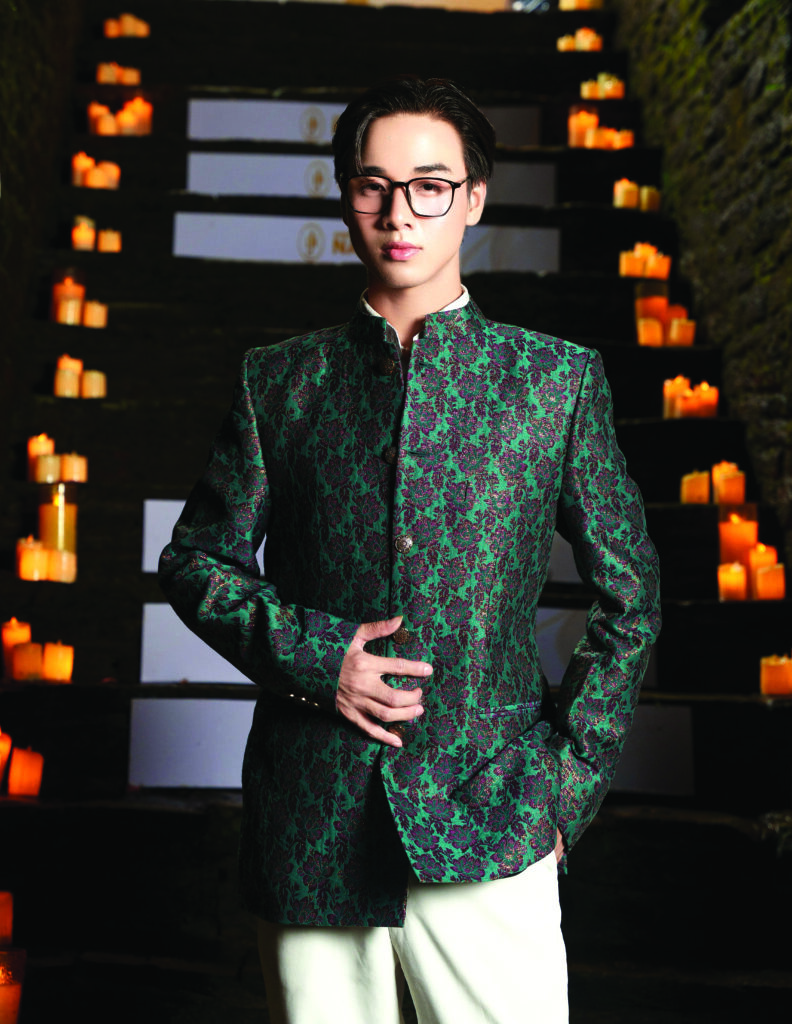
I believe that throughout the long and storied history of pageantry, spanning decades of cultural and social change, we have witnessed remarkable evolution, especially in the ways pageants have begun to challenge barriers of caste, class and gender representation. Today, the industry stands more inclusive and accepting than ever before, embracing individuals from all walks of life.
It truly fills my heart with joy to see married women, women of colour, and women of diverse shapes and sizes standing confidently on national and international stages – unapologetically themselves, proudly representing their identities and their nations. Their courage and authenticity inspire countless men and women around the world to embrace who they are. However, while inclusivity has taken root, it often feels more symbolic than sincere – a gesture rather than a genuine transformation.
I believe the next step for pageantry is to move beyond surface-level representation towards true celebration of individuality. Real empowerment begins when people are not just accepted, but honored for their unique stories, experiences and differences. That is where the true essence of revolution – and beauty – lie.
Prithiviya Thapa
Mrs. Nepal World 2023 & Mrs. World Humanitarian 2024 (Las Vegas, USA)
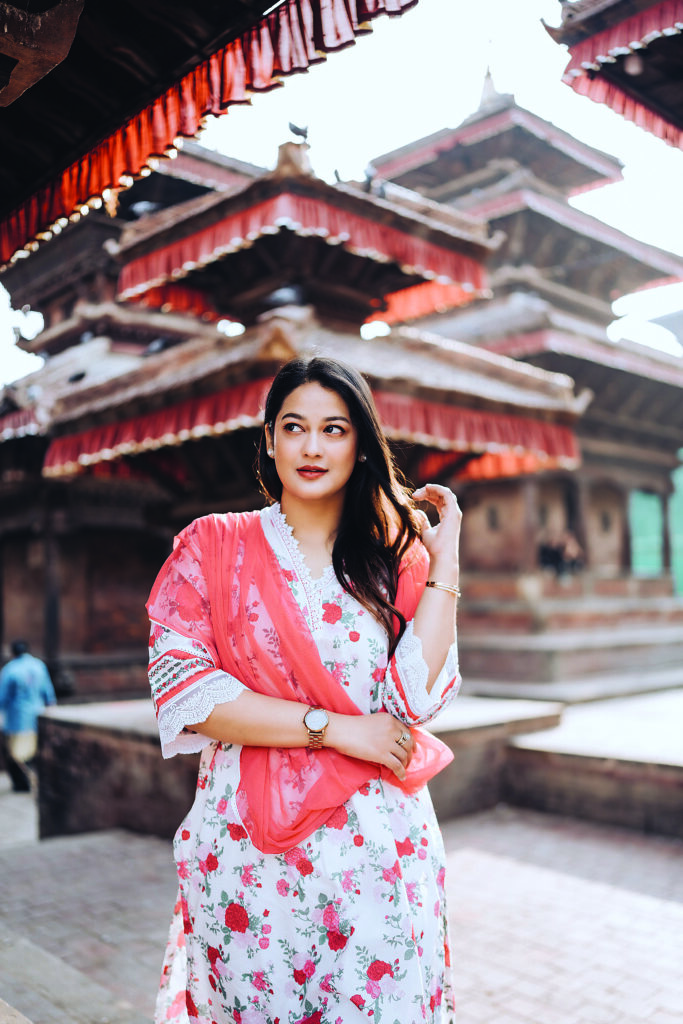
I feel Nepali pageants have come a long way, not just in how they are managed but in how society looks at them. Pageants today are so much more than competitions; they are platforms that bring people together to celebrate culture, confidence and individuality. To me, it’s really about teamwork and unity in diversity.
I do see encouraging changes. More pageants now represent different ethnicities, body sizes and non-binary participants in Nepal. That’s a beautiful progress. But at the same time, I can’t deny that sometimes this representation feels more symbolic than sincere. It breaks my heart when inclusivity becomes just a box to tick rather than a value we truly live by.
I believe real inclusivity must start within us when we genuinely accept and celebrate people for who they are, that energy spreads into society. And when that happens, not just pageants but every space becomes more inclusive. As individuals, we can all do our part by supporting and cheering for those who redefine what beauty really means.
Priya Sigdel
Co-Founder HattiHatti Nepal, Miss Nepal Earth 2018 & Media Personality
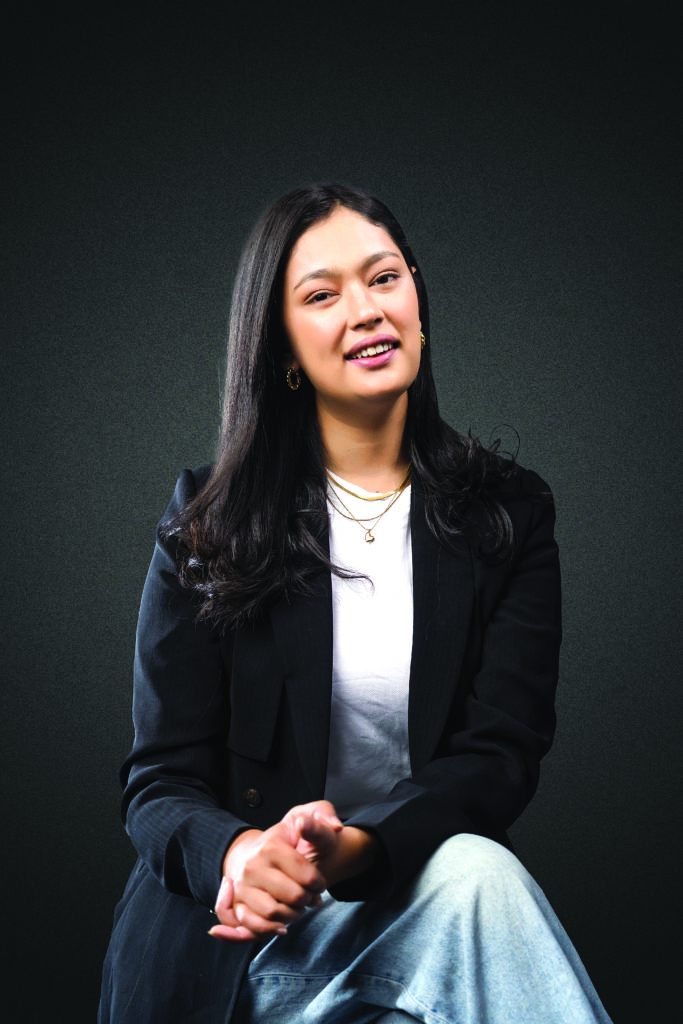
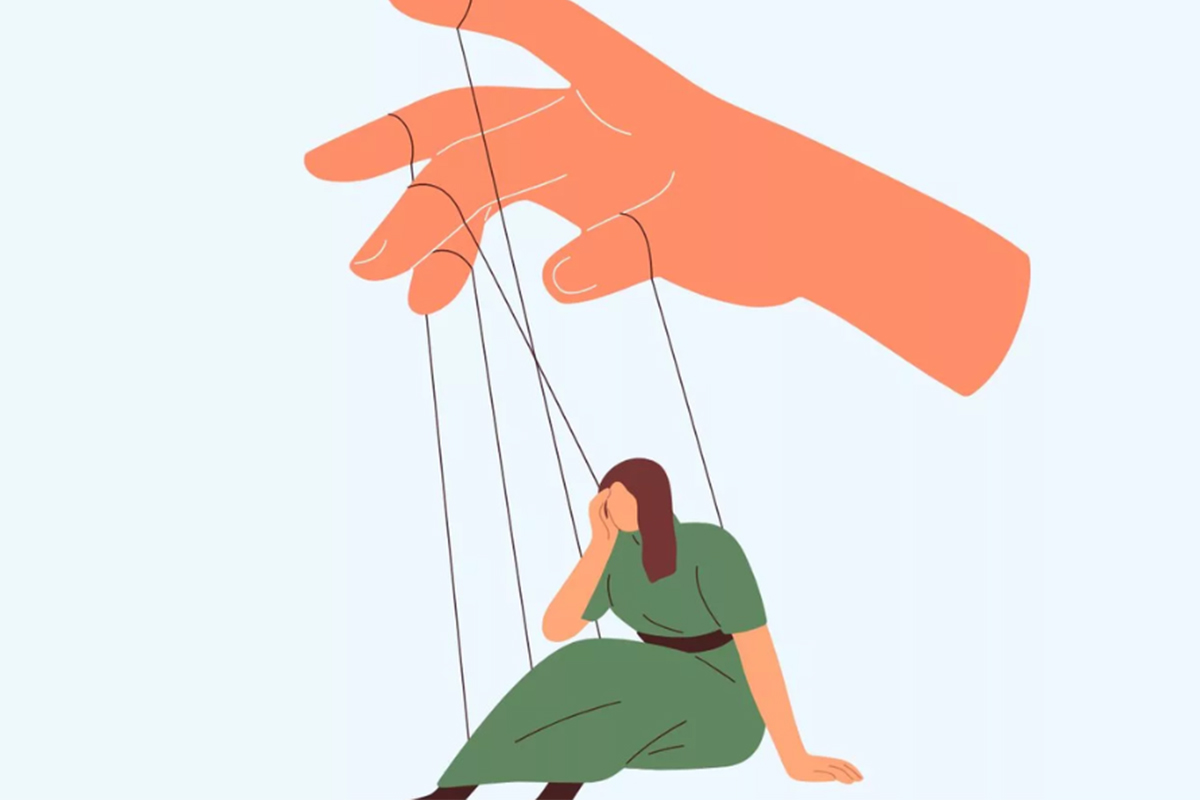
Pageants and their popularity have gradually declined over time as social narratives have evolved. What was once marketed as “women’s empowerment” often turned into a subtle manipulation, conditioning women to fit into stereotypical standards of beauty and behavior in order to be celebrated. However, today’s generation has become more conscious and critical of such narratives, rejecting superficial validation and demanding authenticity.
Nepali pageants, too, stand at a crossroads where an upgrade is essential, not just in format, but in purpose. True empowerment requires acceptance and correction. Inclusivity should go beyond token representation to genuinely reflect Nepal’s diversity in caste, class, size, and gender identity. Pageants should become platforms that celebrate individuality, confidence, and social contribution rather than conformity to outdated ideals. Only then can they evolve from being stages of judgment to spaces of transformation and redefinition.
Paramita Rana
Super model, Actor & Beauty/Fashion Content Creator
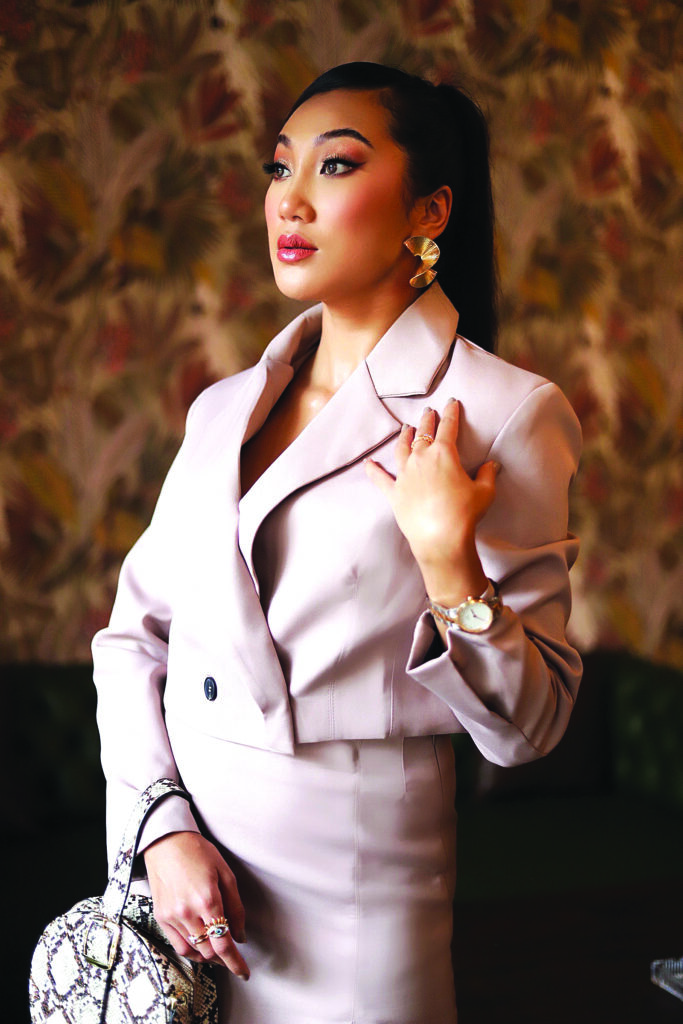
I personally do not support beauty pageants in today’s time and age. While they may have once been seen as platforms for empowerment, I feel that in reality, they often continue to objectify women, reducing their worth to physical appearance, performance, and how well they fit into a narrow, socially constructed idea of “beauty” and “grace.” True empowerment should celebrate individuality, diversity, and authenticity not conformity to outdated standards or competition that crowns one person as “the best” while leaving others feeling unworthy. The idea of having a single winner inherently contradicts inclusivity. It sends a message that validation must come from external judgment rather than self-worth. In a time when women are breaking barriers across every field, I believe we should focus on platforms that uplift every voice equally, rather than those that continue to rank and evaluate them.