Rahul KC, Co-Founder, International Youth Forum
The Gen Z Revolution did not just shake the streets; it motivated something deeper in us. A hunger for fairness. A refusal to accept silence, and a belief that justice must feel personal, not distant.
In this new Nepal, gender justice means more than headlines or hashtags. Yes, we have made history, our first female Prime Minister, a female Attorney General. These are proud moments. However, gender must never be a checkbox or a political endorsement. I believe in balance, absolutely. But I also believe in choosing the right person, someone who leads with integrity and capacity, not just identity. We have seen what happens when representation is misused.
It hurts the cause. It erodes trust. Nepal’s gender demography tells a story of potential. Women make up 51.02% of our population, men 48.98%, and a small but vital 0.01% identify as other genders. These numbers are not just statistics; they are a call to action. We must build systems that reflect this reality, not ignore it. Real justice is quiet and powerful. It is in how we raise our sons to listen and our daughters to lead. It is in how we design laws with empathy, not ego. It is in how we make space for queer voices, for those who have been invisible too long. I have seen young people in Nepal rise, not just with slogans, but with soul. We are not asking for equality anymore. We are living it, demanding it, building it. And in this new Nepal, justice won’t be a performance. It will be a promise we keep with courage, care, and each other.
Now it is time move from policy to action!
Binaya Mishra, Assistant Professor and Program Coordinator, Department of Public Policy and Management, Kathmandu University
While reasons were many, the immediate Achilles’ heel was the tech-jingoistic move by unaccommodating, pseudo-nationalist PM KP Oli assuaged by rival political forces, CPN-UML and NC. The sweeping ban on dozens of social media apps central to Gen Z’s lives and livelihoods sparked the unprecedented September 8 revolution. With 72 martyrs and hundreds still hospitalized after violent clashes during anti-corruption protests, whether current tokenism translates into durable gender justice remains uncertain.
The 2015 constitution ensures progressive provisions for proportional female representation and affirmative action. Yet deep-rooted social values, economic disparity, rural-urban divides, and low female labor participation have created implementation gaps. LGBTQ representation remains distant, while even women’s numerical presence raises questions of meaningful participation. Still, optimism is fueled by techno-savvy young women and other genders breaking taboos and reshaping social norms.
With the first female PM at the helm and prospects of wider portfolios, policy adoption for gender justice seems promising. The anti-nepotism “Nepokids” slogan is equally encouraging. Yet the real test lies in translating protests into organized political victories. For Gen Z, mere representation is not enough; they must become strategists, planners, and organizers. Facing money, muscle, caste and gendered biases, March 2026 elections will determine whether Gen Z can lead Nepal toward genuine gender equality.
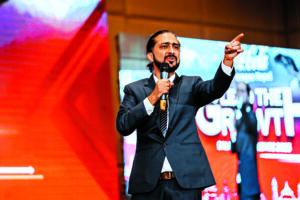
Saunak Bhatta, Speaker, Trainer, Analyst
The question assumes two things: first, that this is the New Nepal, and second, that this is a result of the Gen Z revolution. I hold conflicting views on both.
Whether Nepal is truly “new” can only be answered by time. At present, it feels like another transitional phase. History shows us many such phases, most of which failed to deliver lasting change. As for the “Gen Z Revolution,” the power shift stemmed from the September 9 chaos – burning, looting, mob-led assaults, and killings on an unprecedented scale. People from all ages were involved. While the 8th may be remembered as a Gen Z protest, the broader upheaval was mass driven causing the power shift in our political landscape.
On gender justice, Nepal is relatively progressive in politics, policy and dialogue. The appointment of its first female Prime Minister is historic; few countries share that milestone. Yet, grassroots change in social norms and enforcement will take longer, though pressure can help. My hopes remain cautious. Gender justice must not just follow trends or favour the privileged. This phase should welcome critical evaluation, so policies emerge with wisdom, ensuring true equality for all.
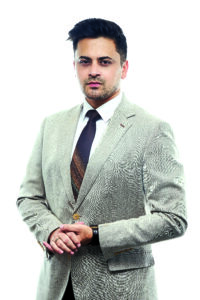
Shrijal Rupakheti, Media Personality
Very optimistic yet a far cry. I envision gender justice and equality in a new Nepal shaped by the Gen Z revolution as a society where opportunities, rights and dignity are not defined by gender but by individual merit, aspirations and humanity.
Gen Z, with its global exposure, digital fluency and progressive mindset, is already questioning outdated norms and breaking silences around patriarchy, discrimination and exclusion. I hope equality will not just mean representation but genuine participation of women, men and gender-diverse individuals co-creating policies, leading businesses and shaping culture on equal footing.
Yet, gender justice needs to extend beyond laws. It needs to reflect in every Nepali’s values, have empathy, inclusivity and accountability.
Intersectionality has to be the heart of this change, ensuring that rural women, marginalized groups, LGBTQ+ communities and people with disabilities are not left behind. Technology and social media will be powerful tools to track progress, amplify voices and hold an individual & institutions accountable. However, rules and policies alone cannot build justice. Everyone must also be the change, transforming their thoughts and actions, knowing their rights and the constitution, practicing empathy and rejecting prejudice. True equality will require people to stop spreading hate and defaming others on social media and instead use technology as a tool for solidarity, awareness and positive changes.