Rita Pokharel on Redefining Women’s Mobility in Nepal
As Country Representative of a leading ride-sharing platform, Rita Pokharel is steering a quiet revolution in how women move through Nepal’s cities, one driven by technology empathy, and a deep belief that freedom begins with safety.
On a crisp Kathmandu morning, the streets are alive with the hum of scooters, taxis, and app-hailed rides weaving through the city’s narrow lanes. Amid this swirl of movement, a subtle yet powerful transformation is underway, one that’s redefining what it means for women to move freely and fearlessly through Nepal’s urban spaces.
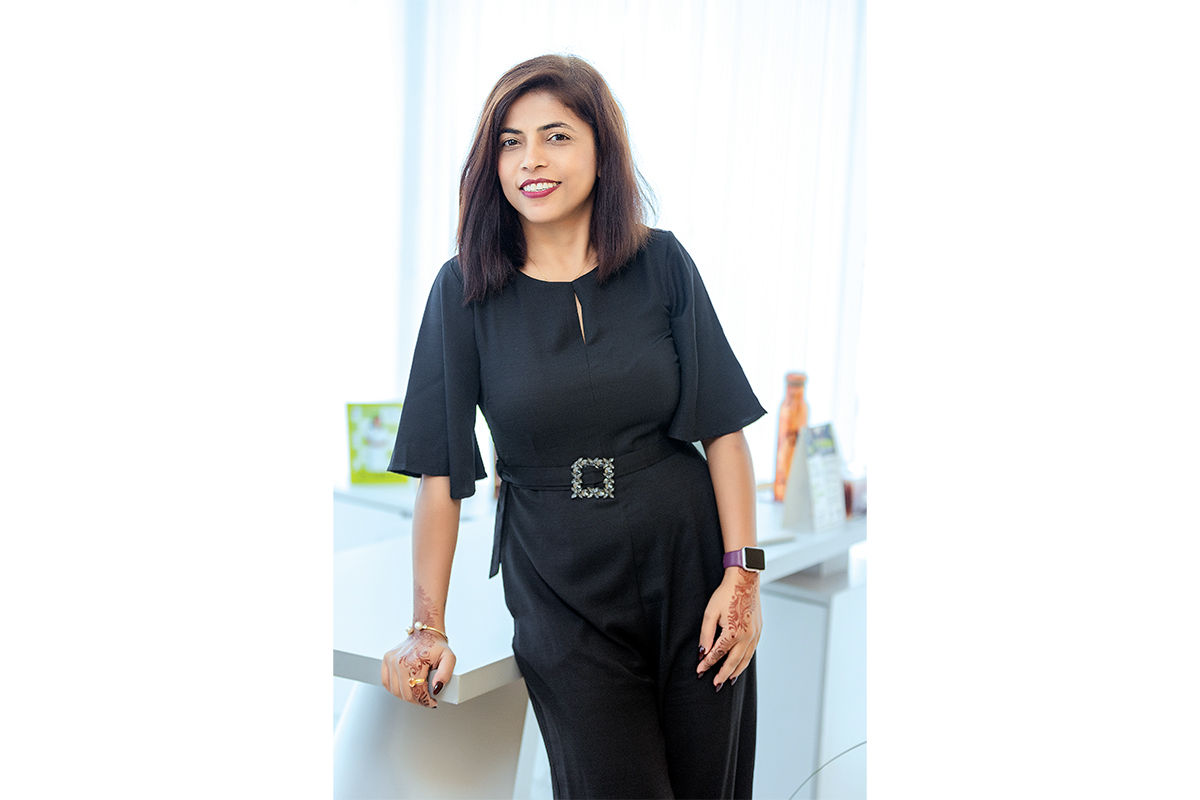
At the center of this shift stands Rita Pokharel, Country Representative of inDrive Nepal. Calm, articulate and purpose-driven, Rita has become a leading voice in Nepal’s evolving mobility landscape. For her, the mission is simple but profound: to make transportation not just accessible but safe, especially for women.
“Safety has to be more than a feature; it has to be our foundation,” Rita says. “Technology gives us the tools but safety is built through trust, accountability and cultural change.”
Transforming Nepal’s Ride-Sharing Landscape
Rita’s vision for Nepal’s ride-sharing future is ambitious. “Over the next five years, the industry will become more competitive and innovative,” she predicts. “We’ll see new players enter the market, offering specialised services and helping to shape a comprehensive urban mobility ecosystem.”
Her eyes light up as she describes a future where electric vehicles, intercity rides, and even parcel delivery are seamlessly integrated within a single digital platform. But for Rita, the most transformative change won’t just come from technology. “Government regulation will play a vital role in formalising and standardising the industry,” she says. “That’s what ensures sustainability, and safety.”
Nepal’s diverse geography and unpredictable road conditions pose challenges, but Rita sees equal opportunity. “We have a young, digitally-savvy population and a growing demand for reliable, affordable transport,” she notes. “It’s the perfect environment for innovation.”
The Personal Touch Behind Policy
Rita’s daily work is a careful balance between strategy and empathy. She oversees business development, marketing and partnerships but a large part of her focus lies elsewhere. “A big part of my job is building trust,” she says. “I work closely with government bodies, law enforcement and local communities to ensure that our platform is seen as both safe and reliable.”
Her commitment goes beyond policy meetings and strategy decks. “I see my role as creating a supportive environment for both our driver-partners and passengers,” she adds. “It’s about fostering respect, not just compliance.”
Putting Women’s Safety at the Center
Rita doesn’t shy away from addressing the issue that looms largest over the industry: women’s safety. “We have all heard stories of women feeling unsafe during rides, and that’s something no one should experience,” she says.
To combat that fear, her company has implemented multiple safety layers: real-time trip tracking, emergency buttons, verified driver IDs and a transparent feedback system. “Passengers can share their live location with trusted contacts,” she explains. “Every driver undergoes background checks, and we enforce a zero-tolerance policy on misconduct.”
Every journey, she notes, is designed to be safe from start to finish. Before booking, passengers can view the driver’s name, photo, vehicle type and rating. During the trip, the in-app tracking allows real-time monitoring. “If a car stops unexpectedly, the app automatically checks in with the rider – asking if they are okay and giving them the option to call an emergency contact,” she says. “That’s how we use tech to give women control.”
Rebuilding Trust, One Ride at a Time
Rita acknowledges that late-night travel remains a major concern. “As a woman, I understand that hesitation personally,” she says. “That’s why we are focusing on robust driver verification for night shifts and making sure women know how to use our safety tools effectively.”
Her team has also partnered with Fight Back, an awareness and training initiative on harassment prevention. “Technology must go hand in hand with empathy,” Rita says. “We train our driver-partners on gender sensitivity and respectful communication. We want to make sure they understand the responsibility that comes with this job.”
Driver workshops, in-person meetings, and continuous training sessions reinforce these values. “Our message is clear: any form of harassment leads to immediate deactivation,” she says. “We want to create an ecosystem where respect is non-negotiable.”
Faster, Fairer, More Transparent
Rita knows that for many women, the true test of safety comes when something goes wrong. “We have heard concerns about how complaints are handled,” she admits. “That’s why we are building a dedicated support channel for women’s safety-related issues with trained personnel who handle cases with empathy and urgency.”
The platform now prioritises transparency and faster resolutions. “Complainants are informed about what’s happening every step of the way,” Rita says. “We want women to feel reassured that their concerns are taken seriously and acted upon quickly.”
Beyond Technology: A Cultural Revolution
When asked if technology can solve safety challenges alone, Rita shakes her head. “Technology can create the structure,” she says, “but safety requires a cultural shift. We must change how we think about women’s right to mobility.”
For her, that means promoting a mindset where moving freely is seen as a right, not a privilege. “It shouldn’t be considered unusual for a woman to be out late at night,” she asserts. “Safety isn’t just the company’s responsibility, it’s everyone’s. Drivers, passengers, communities, and authorities all have a role to play.”
The Freedom to Move
For Rita, mobility is about more than just movement, it’s about freedom. “Safe and inclusive transport means the freedom to pursue education, work, or personal dreams without fear,” she says. “It’s about creating a system where everyone – regardless of gender – feels respected and empowered.”
Her long-term goal is to bring more women into the mobility ecosystem, not just as passengers but as active participants. “We are encouraging women to become driver-partners and entrepreneurs,” she says. “When women are part of the system, they help make it safer for others.”
As the sun sets over Kathmandu and the city lights flicker on, thousands of rides continue across the valley – some driven by women, many carrying them home safely. For Rita, each of those journeys represents something larger than an app or a business metric. “Every safe ride,” she says, “is a small act of freedom.”