Swastika Neupane, Agriculturist, Research and Development Officer
In Nepal, most women grow up hearing the same advice from people who love us the most: “Don’t stay out late, don’t walk alone, don’t trust too easily.” These words are spoken with care, fear and responsibility. They come from experience. Yet, when repeated every day, they begin to shape not just our safety, but our freedom. At first, this advice feels protective. We learn to be alert, cautious and prepared. But slowly, it becomes a quiet rulebook for how much space we are allowed to take. We start planning our lives around risk: choosing routes, timing our dreams, and shrinking ourselves before the world even asks us to. Freedom becomes something we manage, not something we own.
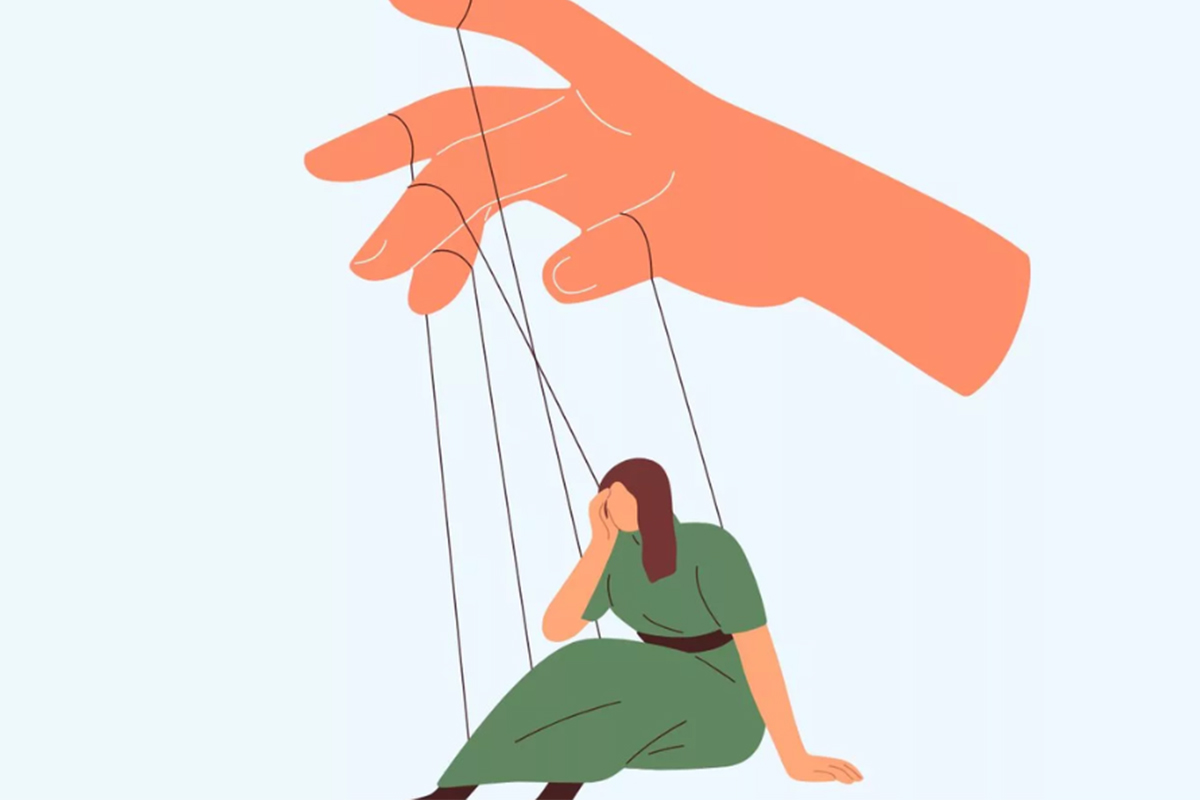
What is rarely questioned is why women must constantly adjust. The burden of safety is placed on our movement, our clothes and our silence. Meanwhile, unsafe streets remain unsafe and accountability rarely shifts. Women are taught how to survive, while society avoids the harder work of change.
True empowerment is not fear dressed as advice. It is trust, dignity and shared responsibility. Safety should not be a warning that follows women everywhere; it should be a right built into our homes, workplaces, transport and public spaces. When safety advice helps women move freely, it empowers us. But when it teaches us to live smaller, it quietly limits our choices. Nepali women deserve more than constant caution, we deserve a world where safety is not something we have to earn every single day.

Ajay Thapa Magar, Video Editor & Content Creator, AJXT Production
I think there are two parts to this conversation, and both need to be acknowledged honestly. On one hand, we should always push for an ideal world where everyone, especially women, can move freely and safely at any time and in any place. The fact that the world is not ideal should never stop us from fighting for safer systems, better laws, cultural change and accountability. That effort must continue, regardless of how slow or difficult it is.
At the same time, the reality is that the world we live in today is not that ideal place. Ignoring this does not make it safer. While we are working toward long-term change, it is also important to talk about practical safety. This includes awareness and precaution in workplaces, at home, while travelling or during nights out. These conversations are not about limiting freedom but about surviving and navigating an imperfect world.
On a personal level, I would genuinely prefer if my wife, my sister, and my mother could roam freely without having to think about time, place or risk. Sadly, that is not the reality yet. Acknowledging this does not mean accepting injustice. It simply means recognising that harm exists while still challenging the systems that allow it.
The problem begins when safety advice turns into fear-based restriction or when responsibility quietly shifts onto women instead of being shared by society as a whole. We cannot blindly follow ideology while ignoring the fact that we live in a world where evil can coexist among us.
True empowerment lies in doing both at once: continuing to fight for a safer world while equipping people with the awareness they need to live in the one we have today.

Dr Merina Joshi, Orthodontist, Kasthamandap Dental, Guheshwori Dental Multispeciality and Implant hub, Implaesthetica
The National Demographic and Health Survey 2022 shows that the prevalence of physical violence experienced by women since age 15 has remained unchanged around 22%-23% over the past decade. What is particularly troubling is that physical and sexual violence against women is often committed by the people they know: husbands, relatives and close friends. This raises a critical question. Is limiting women from going out to work, socialise and pursue education truly a solution, or is empowering women through awareness of their safety, legal rights and physical and mental well-being the real path forward?
This reality exposes the deep flaws in narratives that frame women’s safety as a matter of controlling their movement rather than addressing the behaviour of perpetrators.
It is therefore absurd to focus on placing limits on women in every aspect of life, from household roles to societal boundaries, in the name of empowerment when women themselves bear the heaviest cost of others’ moral, social and institutional failures. Instead of confronting the root cause of violence, we are restricting women’s mobility, education, employment and social participation.
Special attention should be given to ensure the safety of female employees in their workspaces alongside public spaces. Encourage them to communicate their problems without fear of stigma and retaliation. Different empowerment programmes focusing on addressing the physical and sexual harassment against women, long-term rehabilitation of women, legal support and social reintegration for survivors should be done.
True empowerment cannot exist where freedom is conditional and autonomy is curtailed for the comfort of others. Protection that comes at the cost of liberty is not protection, it is control.

Swastika Rajbhandari Founder, Swastika Hair and Makeup Studio
Advice about safety often comes from care and being aware is important. But when women are constantly told to be careful, it can limit their choices. It shifts the responsibility onto women to change their lives instead of fixing the world around them. Real empowerment isn’t about more caution; it’s about financial security, real support and accountability. A truly safe world is one where women can make everyday decisions freely, without fear guiding their choices.

Shrija Shrestha, Entrepreneur, Creator & Director, Ambassador Designs, Essence and Arambha
For most women, safety advice begins early and quietly. It arrives as concern, love, and protection – words spoken by families, communities, and society at large. Be careful. Don’t stay out too late. Think twice. Over time, these reminders become internal rules. Not because women are incapable, but because they are constantly reminded that the world is not designed with them in mind.
At first, safety advice feels empowering. It gives a sense of preparedness and awareness. But when caution becomes constant, it slowly shapes behaviour. Choices are filtered, ambition is softened, and confidence is negotiated with fear. Without realising it, many women learn to adjust their dreams instead of expanding them, choosing what feels permitted rather than what feels possible.
This is where safety stops being guidance and starts becoming a boundary.
Empowerment does not come from being told what to avoid; it comes from being trusted to decide. Women are not reckless, they are perceptive, resilient and capable of assessing risk. When safety advice replaces encouragement, it teaches women to doubt their instincts instead of strengthening them.
As a woman entrepreneur, I have learnt that every meaningful step forward involves risk – visibility, judgement, failure. Had I allowed fear to dictate my decisions, I would never have built my own path. Growth demands courage, not permission. Safety should be a foundation, not a ceiling. When women are trusted with choice, they don’t just stay safe, they rise.

Dipesh Maharjan, CEO, Nepa Events
The impact of safety advice on women is a complex psychological journey that depends heavily on an individual’s personality and their upbringing. When a woman is raised in an environment that treats safety as a proactive “self-responsibility,” advice transitions from a list of restrictions to a strategic toolkit. Learning these skills at home such as situational awareness, setting firm verbal boundaries, and physical self-defence allows safety to become a proactive habit rather than a reactive fear. In this mindset, being “safe” is not about hiding; it is about becoming stronger, more aware and mentally prepared to fight if necessary. This brand of awareness fosters a sense of agency, where a woman feels capable of navigating a complex world because she possesses the skills to manage its risks.
However, there is a significant risk of demotivation when safety advice is delivered as a constant, repetitive stream of “don’ts”. This “safety fatigue” can be paralysing, making the world feel so inherently hostile that the easiest choice seems to be withdrawal or self-censorship. When advice focuses solely on what a woman should avoid, it quietly limits her choices and can lead to a sense of defeatism. The burden of being one’s own constant security detail can become exhausting, potentially causing a woman to shrink her social or professional life just to escape the mental weight of constant vigilance.
Ultimately, the difference lies in whether the advice is used as a wall that limits a woman’s choices through fear or as the armour that allows her to walk through the world with her head held high. True empowerment is found when safety education stops being about “staying out of trouble” and starts being about the right to take up space, equipped with the strength and the will to defend it. In conclusion, while systemic change is needed to make the world safer for everyone, the individual’s journey toward safety is most successful when it builds competence and confidence rather than anxiety and avoidance.