In an age where workouts are often documented as much as they are performed, the culture of fitness is evolving in complex ways. Social media, changing lifestyles and shifting beauty standards have reshaped how people approach exercise and health. Yet beneath the transformation posts and viral routines lies a deeper question: are we training for genuine well-being, or for validation?
In this conversation, fitness professionals, entrepreneurs and a student reflect on the tensions within modern fitness culture, from the influence of digital applause to the balance between discipline, longevity and authentic self-care.
Has modern fitness culture shifted from promoting well-being to promoting visibility?
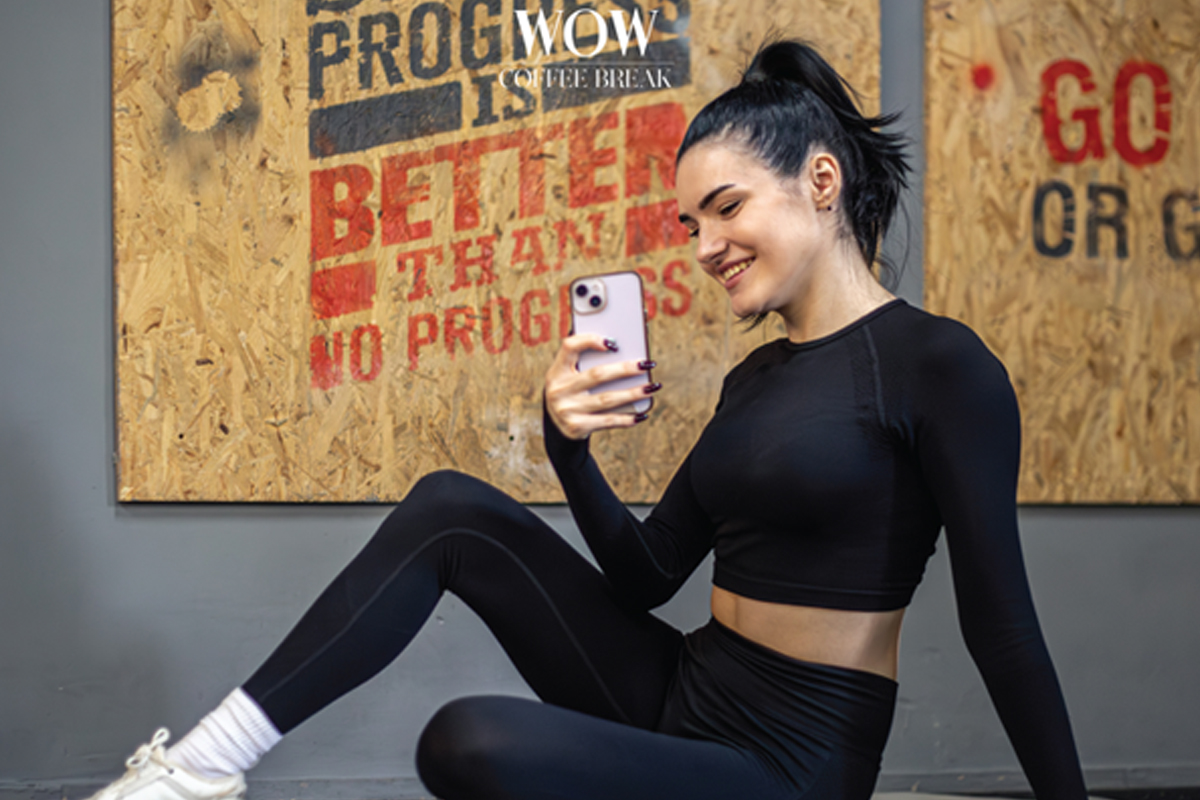
Sanjog: Walk into most gyms today and you will notice how many people set up their phones before they even touch a weight. That small moment says a lot about how fitness culture has changed. Exercise once centred on feeling stronger, moving better and maintaining long-term health. Gradually, however, the focus shifted toward appearance and documentation.

Sanjog Koirala, Finance Educator Entrepreneur, Creator of IdeaPreneur
The language of health and wellness remains the same, but the intention often feels different. The workout becomes content and the body becomes something to present to an audience. Social media has undoubtedly had positive effects. It has inspired people who might never have exercised before, and it has helped create communities around shared interests in health.
However, inspiration that relies heavily on comparison can be exhausting. When the idealised bodies on our screens become the standard, motivation can slowly turn into discouragement. Real well-being is less visually dramatic. It looks like consistency, proper rest, manageable stress levels and a body that continues to function well over decades.
Shabana: As I celebrate five years of running my ladies’ gym, I have noticed a clear shift in how people approach fitness. Compared to a few years ago, far more people are interested in exercise and wellness today. However, many are also more inclined to share their workouts online rather than simply experience them privately.
At the gym, I see two different approaches. Some women enjoy posting their workouts and celebrating their progress on social media. Others prefer to focus on their training without sharing it publicly. Both approaches are valid, as everyone engages with fitness in their own way.
Social media can also be motivating. When people share their routines or progress, it often encourages others to begin their own journeys or stay consistent. At the same time, many women quietly arrive, train hard and leave without posting anything at all.
In the end, what matters most is that people are choosing to prioritise their health, whether they share that journey publicly or keep it personal.
Roshita: Modern fitness culture has not replaced well-being with visibility. Rather, it has expanded the reach of fitness. Visibility has certainly become louder, but the core idea of well-being still exists.
The advantage of this visibility is that more people are now exposed to fitness and feel encouraged to begin. What was once considered niche or intimidating has become far more accessible, especially for women who were previously discouraged from entering fitness spaces. However, visibility should serve as an entry point rather than the ultimate goal.
The true purpose of training remains the same: to build strength, confidence and a body that functions without pain.
When individuals reconnect with that purpose, their relationship with fitness becomes more sustainable. Visibility may inspire someone to begin, but well-being is what keeps them committed over time.
Kriti: Modern fitness culture feels as though it stands at a crossroads. On one hand, there is a growing emphasis on genuine health and well-being. On the other, social media often highlights appearances, dramatic transformations and external approval.
For many young people, these two narratives coexist. Social media has made it easier to observe progress and discover new routines, but it has also subtly reshaped how success in fitness is perceived. Transformation posts and viral trends can make visibility appear just as important as physical health.
Generational differences also play a role. Older individuals often approach fitness as part of a broader lifestyle that includes outdoor activities and general well-being. Younger, digitally connected communities sometimes engage with fitness in ways that are more visually driven. Ultimately, the challenge lies in maintaining awareness. Social media can offer inspiration, but personal health and long-term vitality must remain the central focus.
When progress is measured in likes, comments and transformations, is health still the primary goal?
Sanjog: When progress is measured primarily through likes and transformation photos, health often becomes secondary. A before-and-after image taken under better lighting or from a strategic angle can easily create the illusion of dramatic change.
There is nothing wrong with wanting to look good. That desire is natural. The problem arises when appearance becomes the only signal people listen to while other indicators of health are ignored. Energy levels, sleep quality, emotional balance and long-term recovery rarely appear in photographs.
Real health progress is usually quiet. It looks like sleeping well, recovering properly from workouts, lowering stress and gradually improving physical capacity over months or years. Unfortunately, these milestones rarely receive attention online.
When validation becomes the primary measure of success, the deeper purpose of fitness can be lost. A body may look impressive on screen, yet still struggle with exhaustion or imbalance behind the scenes.

Shabana Khatun, Fitness Trainer and Founder of Shabana Fitness Studio
Shabana: In the past, many people felt shy about recording their workouts. Today, platforms such as TikTok and Instagram have changed that culture. People are more comfortable sharing their fitness journeys and celebrating their progress online.
In many ways, this has made exercise more engaging. Seeing others train can encourage people to stay consistent or begin their own routines. Social media has become a powerful tool for motivation and community building.
From a business perspective, digital platforms also help gyms reach more people. Sharing workouts and member progress allows us to showcase the positive environment within the gym and inspire others to join. However, it is important to maintain balance. The goal should never be to chase approval alone. Social media works best when it motivates individuals to remain consistent and build healthy habits that extend beyond the screen.
Roshita: External validation can feel exciting, but it should never define progress. Every individual’s fitness journey unfolds differently, and comparing timelines often leads to unnecessary frustration.
True progress appears in many forms that cannot be measured online. Increased strength, improved posture, reduced pain and greater confidence are meaningful milestones that no algorithm can capture.
Many of the women I train initially arrive with aesthetic goals, which is perfectly valid. Over time, however, their understanding of success often changes. They begin to value mobility, comfort and control over their bodies far more than appearance alone.
These quieter achievements may not attract attention online, but they represent genuine transformation and long-term health.
Kriti: Sharing fitness journeys online has become increasingly common. When a post performs well, it feels rewarding, and that reaction can gradually influence how people present their progress.
Transformation posts attract attention because they offer dramatic visual contrast. Yet they rarely reveal the full story. Behind those images lie discipline, hormonal changes, physical stress and emotional effort.
When creators begin prioritising aesthetics alone, health can sometimes become secondary. In extreme cases, it may even be compromised in pursuit of a specific look. That said, social media is not entirely negative. Many creators use their platforms responsibly by sharing evidence-based advice and openly discussing challenges. When content focuses on education rather than spectacle, it becomes genuinely valuable.
Are today’s fitness standards encouraging longevity and strength or comparison and performance?
Sanjog: The standards that receive the most attention online often prioritise aesthetics rather than longevity. The bodies celebrated as ideal are frequently young and supported by lifestyles that many people cannot realistically maintain.
When these images become the reference point, perceptions of health can become distorted. Longevity-focused training rarely appears dramatic. It involves steady progress, sustainable routines and practices that support joint health and mobility well into later life. This type of training rarely produces viral moments. Instead, it produces individuals who age well and remain physically capable over decades.
Comparison-based fitness has a clear limit. Longevity-based fitness compounds slowly over time. Yet many people choose the former because it is more visually striking.
Shabana: One of the biggest challenges to health today is the widespread availability of highly processed food. Convenience has made unhealthy choices easier than ever, which is why fitness has become increasingly important.
Many people now lead sedentary lifestyles compared to previous generations. As a result, exercise has become essential for maintaining strength, mobility and overall health. Interestingly, younger generations are also encouraging their parents to adopt healthier habits and become more active. This shift shows that fitness is gradually becoming part of family culture rather than an isolated pursuit. While appearance can be a motivating factor, many people ultimately begin exercising because they want to remain healthy, strong and energetic as they grow older.
Roshita Rayamajhi, Head Trainer and Owner of Strong and Lean by Rosetta
Roshita: Many current fitness trends encourage comparison, and this can influence how individuals perceive their bodies. Constant exposure to idealised physiques can create the impression that one’s own body is inadequate.
Some programmes even rely on highlighting perceived flaws to create urgency around change. While this strategy may generate short-term engagement, it often damages confidence rather than building it. A longevity-focused mindset offers a healthier alternative. Instead of chasing rapid transformation, it prioritises building strength, resilience and mobility over time.
When individuals shift their focus from comparison to ownership, their fitness journey becomes far more empowering.
Kriti: Today’s fitness standards often encourage both positive and problematic behaviours. On one hand, the visibility of exercise motivates many people to begin moving and building healthier routines. On the other hand, comparison-driven environments can replace personal goals with group expectations. People may start measuring themselves against others rather than understanding what their own bodies truly need.
This culture can sometimes lead to overtraining or unrealistic expectations. Fitness should ultimately support longevity, mobility and long-term well-being. When individuals shift their attention away from performance for an audience and toward building a resilient body, fitness becomes far more empowering.
In a results-driven world, has exercise become more about proving discipline than nurturing the body?
Sanjog: Phrases such as “no days off” reflect a growing culture that equates constant effort with discipline. Yet rest and recovery are essential components of genuine health.
A body exposed to continuous stress will eventually respond through fatigue, hormonal imbalance or injury. Despite this, many people feel pressured to push through discomfort in order to appear dedicated. True discipline involves listening to the body. Some days, the most intelligent decision may be to rest, walk or prioritise recovery rather than pursue intense training.
The goal of exercise should not be to prove something to others. It should be to develop habits that support long-term health and resilience.
Shabana: For many people, exercise reflects both discipline and care for the body. Members who attend the gym consistently demonstrate commitment to their health. However, fitness should never become a source of pressure. As a new mother, I have personally experienced how challenging it can be to balance recovery, nutrition and exercise after childbirth.
During this stage, the focus should be on nurturing the body rather than rushing toward visible results. Mothers especially need patience, proper nutrition and gradual movement rather than extreme expectations. When a woman feels healthier and more balanced, that well-being benefits her entire family.
Roshita: Discipline is important, but it must always be balanced with awareness. True strength is not about pushing endlessly. It is about training intelligently. Effective training requires understanding when to challenge the body and when to allow it to recover. This balance is what produces sustainable results.
Exhaustion is not proof of dedication. Consistency, recovery and attentive training are far more meaningful indicators of progress. Especially for women, overtraining can sometimes do more harm than good. Structured training, proper recovery and understanding the body’s signals are essential.
Kriti: Modern culture often promotes the idea that rest reflects weakness. Social media frequently reinforces this message by highlighting extreme discipline and visible results.
However, this narrative overlooks an important reality. Individuals who pursue appearance alone often experience cycles of intense training followed by burnout. Those who prioritise genuine well-being tend to develop quieter but far more sustainable routines. Their motivation comes from internal care rather than external approval.

Kriti Bhattarai, Youth Activist and Master’s Student, Tribhuvan University
When exercise is approached as a form of self-respect rather than punishment, it becomes something that strengthens life rather than exhausting it.
If digital applause disappeared, would the collective approach to fitness become more balanced or lose its momentum?
Sanjog: If digital applause disappeared, some of today’s visible motivation might fade. A significant portion of online fitness culture revolves around performance and recognition. Without an audience, many people might stop documenting their routines. Yet that shift might also encourage a healthier relationship with movement.
Exercise could return to something quieter and more personal. Individuals might train because it genuinely improves their well-being rather than because it performs well online. The momentum built on validation may fade, but what remains could be more authentic and sustainable.
Shabana: For fitness businesses, promotion is important, and today much of that promotion happens through social media. Sharing gym activities and member progress helps create visibility and encourages new people to join.
Digital platforms have therefore played a significant role in expanding the fitness community. They help people discover gyms, learn new routines and feel motivated to remain active. At the same time, balance is essential. People should not feel pressured to perform for an audience.
If sharing a workout online encourages someone to wake up early, exercise and remain consistent, it can still be a positive influence.
Roshita: Without digital applause, fitness culture might become more honest. The reason for exercising would shift from being seen to genuinely feeling better. External momentum might slow, but internal motivation could grow stronger. People would begin training with greater awareness and intention.
When motivation comes from within, it becomes stable and sustainable rather than dependent on trends. Fitness would become less about visibility and more about personal growth.
Kriti: Digital applause can certainly motivate people and create a sense of community around health and fitness. Removing it entirely might not necessarily strengthen fitness culture. However, without the constant pressure of online approval, routines might become more balanced and sustainable. Highly dramatic workouts designed for visual impact might give way to practices that prioritise long-term health.
In such a scenario, individuals might focus more on how their bodies feel rather than how they appear. Fitness culture could become quieter, more personal and more grounded in genuine well-being.
Text: Kreenjala Pyakurel