YUNITA KHATRI
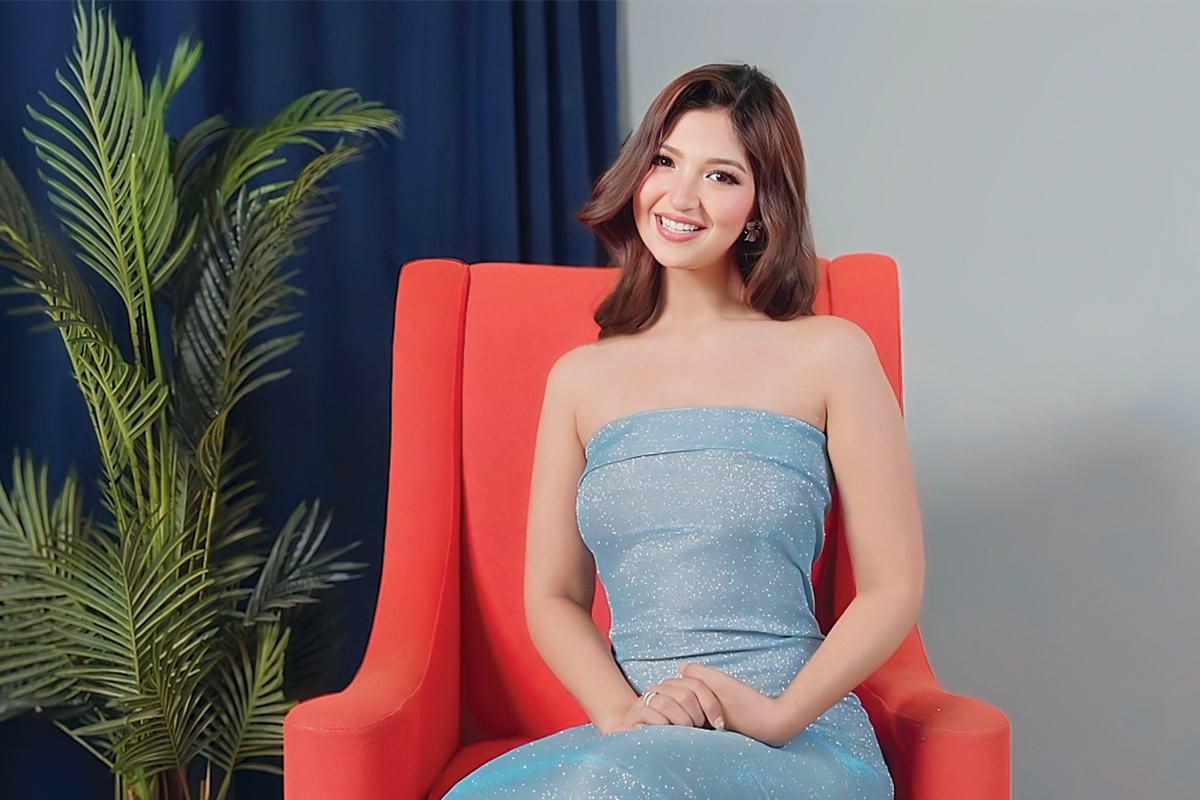
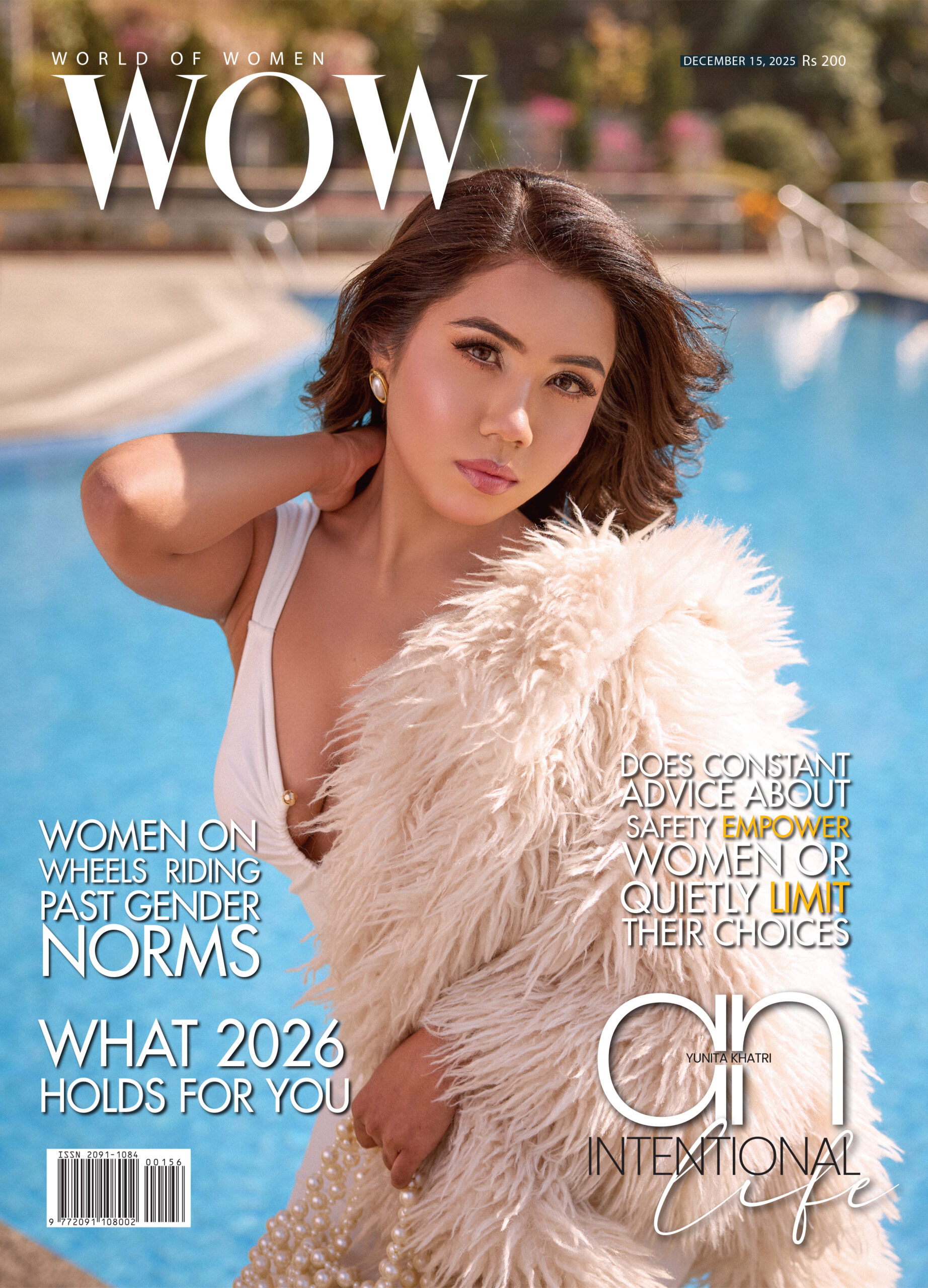
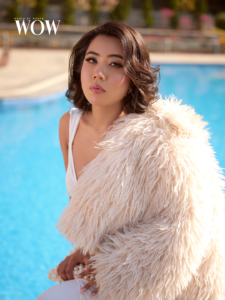
On most mornings, Yunita Khatri wakes up before the city does. Kathmandu, still half-asleep, feels gentler then. The streets are quieter, the mirrors kinder. In those early hours, before salon chairs fill up and phones begin to buzz, Yunita chooses stillness. For a woman whose life has unfolded through discipline, reinvention and self-awareness, calm is not incidental, it is intentional.
Today, at 25, Yunita is recognised as a beauty entrepreneur, the Founder of The Sugar Mama Salon and the Co-founder of Beauty Bar – two spaces that have quietly reshaped Kathmandu’s beauty culture. She is also Miss World Diversity 2018 and a former digital show host who once led unfiltered conversations on Jhola Bhitra K Hola, long before digital dialogue became mainstream. Yet beyond the titles lies a woman who has consciously stepped away from spectacle, choosing instead to build a life – and a legacy – on her own terms.
I have never been interested in being loud,” she says, her voice calm, measured. “I am more drawn to what lasts.
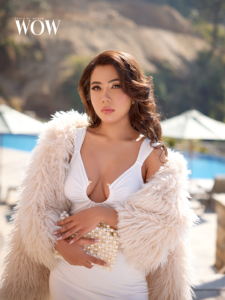
Living two worlds
Yunita often describes her life as existing between two creative worlds. One is tactile and intimate, rooted in hands-on work, in skin and hair, in confidence restored quietly, one client at a time; the other is expressive and reflective, shaped by conversation, storytelling and observation. “Both worlds keep me balanced,” she explains. “One keeps my hands grounded, the other keeps my mind curious. Together, they remind me to stay present while still imagining more.”
Her salons reflect that philosophy. They are not loud, intimidating spaces driven by trends or excess. There is no urgency to transform into someone else. Instead, they offer permission to pause, to choose what feels right, to leave feeling lighter rather than altered. “This approach did not come from branding manuals or borrowed aesthetics. It emerged from self-inquiry. From learning when to push forward and when to step back. From understanding that beauty, like identity, is most powerful when it feels personal,” she says.
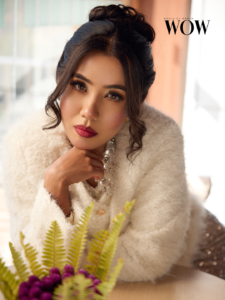
Beauty without validation
In an industry that often equates beauty with perfection, Yunita’s definition is refreshingly grounded. “Beauty autonomy,” she says, “is the freedom to choose what feels right for your face, your comfort, your energy, without needing validation.”
At The Sugar Mama and Beauty Bar, beauty is not sold as aspiration. It is offered as agency. Clients are encouraged to listen to themselves rather than chase trends. Minimalism is not a compromise here; it is a choice. Simplicity is not a lack, it is refinement. “Self-care isn’t indulgence anymore,” Yunita observes. “It’s responsibility. Women are finally allowing themselves that space, without guilt.”
She has witnessed a visible shift among Nepali women, more confidence in decision-making, more awareness of boundaries, more willingness to invest in themselves emotionally as well as financially. Yunita has grown alongside this evolution, shaping spaces that respond to it rather than dictate it.
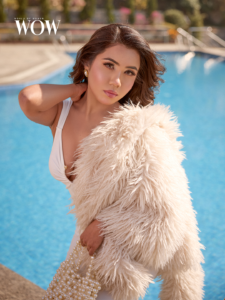
Building a brand grounded in awareness
At just 25, Yunita Khatri occupies a space many take years to arrive at, not through speed but through clarity. Building and sustaining beauty brands at such a young age has shaped her leadership style early on, teaching her discernment long before impatience could take root.
“There’s an assumption that youth equals impulsiveness,” she says. “But starting young taught me responsibility faster than anything else could.” With The Sugar Mama Salon and Beauty Bar, Yunita learned how to balance creativity with accountability, how to make decisions that affect not just a brand, but people, livelihoods and trust.
Her age, rather than being a limitation, became an advantage. She adapted quickly, listened deeply and evolved intuitively alongside her clientele, many of whom grew with her. “I didn’t have the luxury of waiting to be ‘ready’,” she reflects. “I learned by doing. And I learned early.”
What distinguishes Yunita is not that she built businesses young but that she built them thoughtfully. Without rushing scale. Without copying formulas. Without losing sight of herself in the process. At 25, she stands not as a prodigy chasing momentum, but as a founder grounded in patience, self-awareness and long-term vision.

Meaningful conversations
Before entrepreneurship took centre stage, there was Jhola Bhitra K Hola? a digital show Yunita hosted nearly seven years ago. At a time when Nepal’s digital content ecosystem was still finding its voice, the show stood out for its curiosity and emotional honesty. “That phase shaped my ease with presence and storytelling,” she recalls. Even today, when she speaks about future plans, her eyes light up at the thought of returning to the screen, not for visibility but for connection.
“I am working towards building my own studio. A space where conversations are intimate yet expansive. Where stories unfold without performance. Where women, especially, can speak without being reduced to sound bites,” she tells. “I don’t want noise,” she says. “I want meaning.”
Rebellion against curated perfection
There is an effortless humour to Yunita’s honesty. When asked about the biggest myth surrounding the glamour industry, she laughs. “That we wake up looking flawless,” she says. “We don’t. We are human. We have under-eyes, texture and moods.”
This candour is her quiet rebellion against unrealistic standards, against curated perfection, against the pressure to always appear unshakeable. Authenticity, for Yunita, is not about oversharing, it is about alignment. “I don’t chase trends,” she says. “I pay attention to what feels real.”
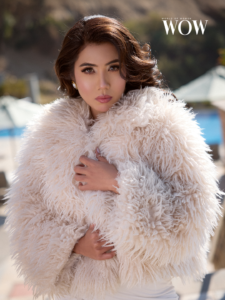
To be today’s Nepali woman
What does it mean to be a modern Nepali woman today? Yunita pauses before answering. “It means being soft without being fragile,” she says. “And strong without being aggressive. It’s about balance.” That balance defines her presence. She does not command rooms; she steadies them. Her confidence is not performative. It is lived, earned and quietly assured.
The future
Looking ahead, Yunita envisions a Nepali beauty culture rooted in individuality. A landscape where restraint is respected and beauty feels like freedom rather than obligation.

Her own future is layered. More salons, certainly but also storytelling. Digital projects that value nuance. A studio that becomes a creative home. Work that honours both her evolution and her values. Asked about the boldest thing she wants to attempt in the coming years, her answer is characteristically understated. “To stay true to myself,” she says. “Even when the world gets loud. Quiet boldness still counts.”
Creating a rhythm
Yunita Khatri is not here to impress with grand declarations or dramatic narratives. She matters because she builds with intention. Because she leads without urgency. Because she proves that ambition does not have to be exhausting to be effective.
In a world obsessed with constant reinvention, Yunita reminds us of the power of continuity – of becoming, without erasing who you already are. At 25, she is not chasing timelines or comparisons. She is creating a rhythm that feels sustainable, personal and deeply hers.
Text: Ankita Jain