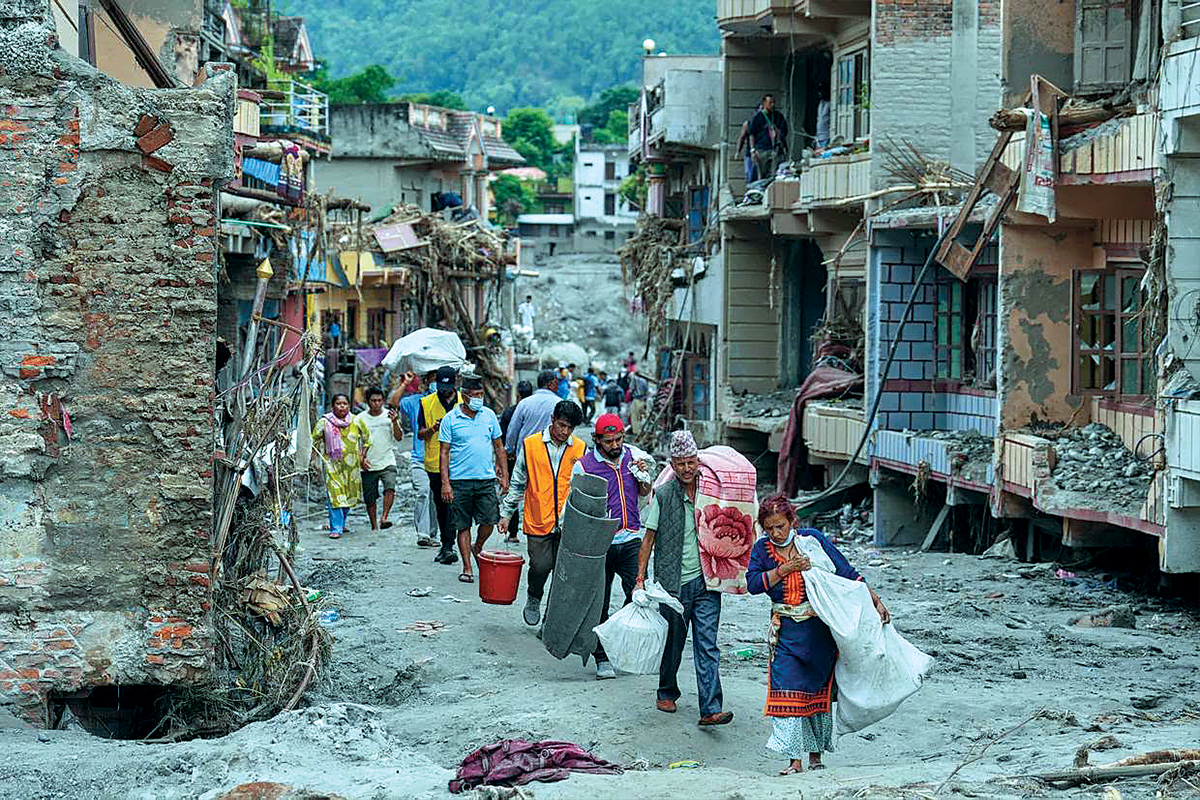

In 2005, Nepal welcomed its first baby conceived through in vitro fertilisation (IVF) marking a turning point in the country’s reproductive healthcare. For couples who had struggled to conceive, it opened a door that had once seemed firmly closed. Just over two decades on, fertility treatment in Nepal has changed considerably, with advances in technology, greater awareness and more specialised care. Yet doctors say significant gaps remain.
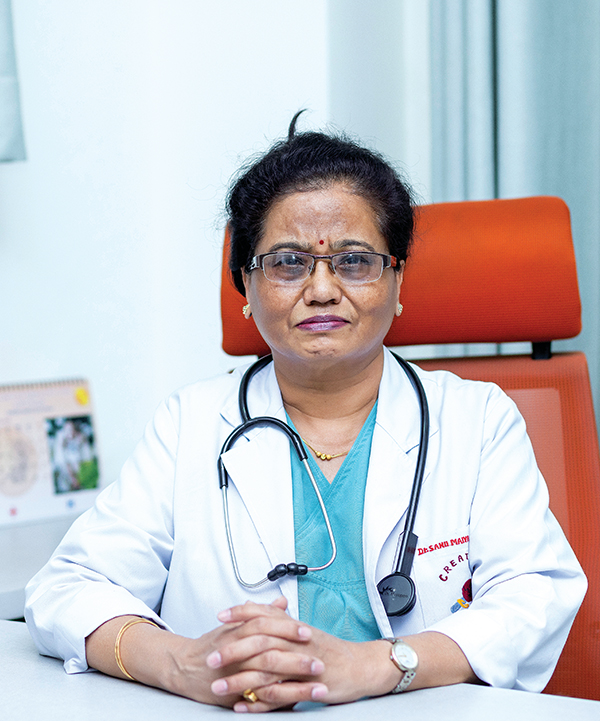
Dr Sanu Maiya Shrestha Pradhan, Chairman, Clinical Director and Managing Director of Creator’s IVF Nepal, and a Senior Fertility Specialist, was among the medical professionals involved in Nepal’s early IVF journey. Her own experience with infertility shaped the direction of her career.
“I realised how emotionally difficult the experience can be for women and couples,” she says.
According to Dr Sanu, when Nepal’s first IVF programme began at Om Hospital, 17 patients underwent treatment, resulting in three successful deliveries. At the time, fertility medicine was still a relatively new and highly specialised field in Nepal. Dr Sanu had returned after training in reproductive medicine in Australia to enter a field that was still in its formative stages at home.
Since then, attitudes towards infertility have shifted. What was once rarely discussed openly is increasingly part of conversations between couples and families.
“Awareness has improved drastically,” Dr Sanu says.
Treatment options have also expanded beyond conventional IVF to include procedures such as intracytoplasmic sperm injection (ICSI) and pre-implantation genetic testing.
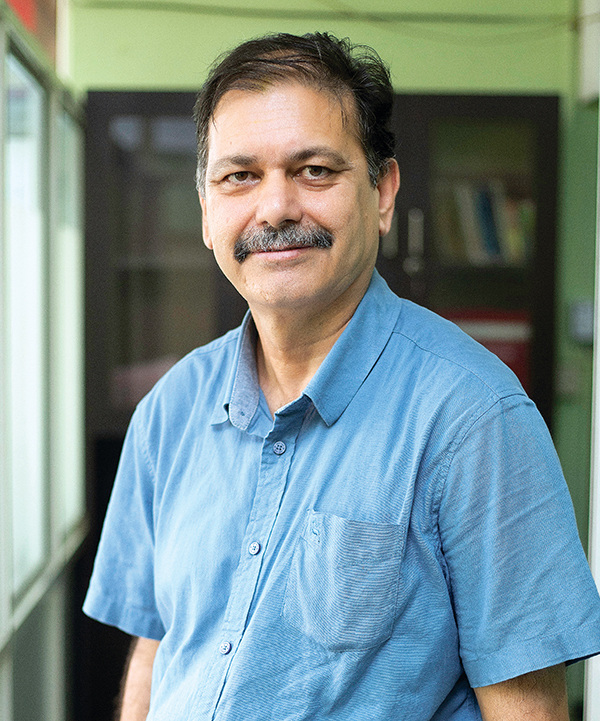
Dr Ganesh Dangal, Senior Consultant in Obstetrics and Gynaecology at Kathmandu Model Hospital and Principal Consultant and Head of the Department of Obstetrics and Gynaecology at Nepal Mediciti, has witnessed similar changes during more than two decades in the field.
For Dr Ganesh, one of the most significant shifts has been in the way patients approach medical decisions.
“Patients are no longer simply saying yes to everything a doctor recommends,” he says. “They want to make informed decisions and approach healthcare collaboratively.”
That growing awareness, however, has come with a flood of information online. Social media has made fertility information more accessible, but doctors warn that it can also blur the line between awareness and misinformation.
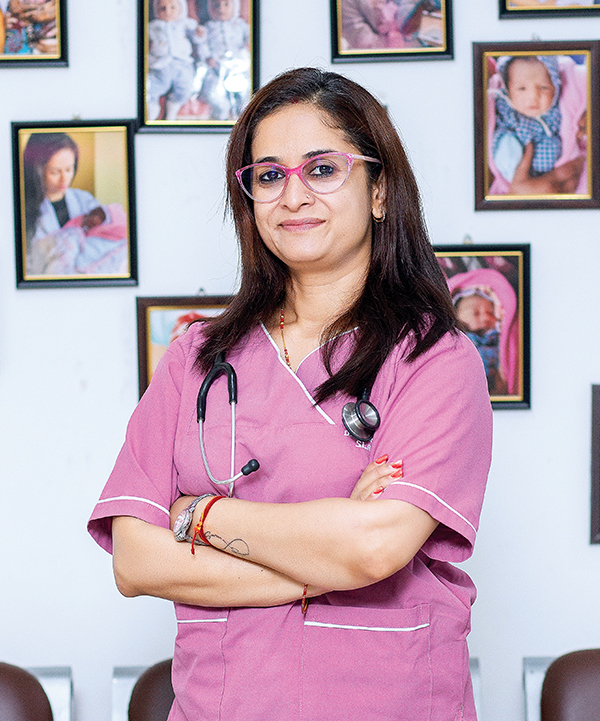
Dr Nikita Dhakal, an obstetrician-gynaecologist and IVF Specialist at Slavica IVF & Research Center, sees this change among her patients as well. People are now more comfortable discussing infertility and seeking treatment, she says, but misinformation remains a concern.
“Every patient’s situation is different, so treatments that work for one person may not be right for someone else,” she explains.
Another persistent challenge is the tendency to place responsibility for infertility primarily on women. Dr Ganesh recalls a time when women were blamed for childlessness and men sometimes entered additional marriages, only for the underlying cause later to be identified as male-factor infertility.
Dr Nikita stresses the importance of evaluating both partners.
“I always encourage couples to come for evaluation together because fertility is a shared journey,” she says.
The reasons couples struggle to conceive have also become more complex. Dr Ganesh points to infections, including tuberculosis, which can contribute to tubal damage and infertility. Lifestyle factors such as smoking can also affect reproductive health, including sperm quality.
Dr Nikita highlights delayed marriage and childbearing, career priorities, stress, weight-related factors and conditions such as polycystic ovary syndrome (PCOS) as some of the issues increasingly encountered in fertility clinics.
For her, one of Nepal’s biggest fertility challenges is delayed treatment. Some couples wait in the hope that pregnancy will happen naturally, while others first seek traditional or alternative remedies. By the time they reach a fertility clinic, age-related declines in fertility may have made treatment more difficult.
Technology, meanwhile, has transformed what doctors can offer. Dr Ganesh points to the growing use of artificial intelligence in areas such as embryo assessment, while Dr Nikita notes that procedures once available mainly through treatment abroad are increasingly accessible in Nepal.
“We have come a long way since the early days, when doctors from India would come to perform many of the procedures,” she says.
Still, all three doctors agree that technology cannot replace good clinical judgement and compassionate patient care.
“We cannot just rely on technology,” Dr Sanu says. “We need skilled humans treating patients.”
The next chapter, therefore, is not simply about newer machines or more advanced procedures. Nepal needs wider access to fertility services, more affordable treatment, better reproductive health education and stronger, more comprehensive standards governing assisted reproduction, including questions around donation, informed consent and patient rights.
For Dr Sanu, the emotional dimension of fertility treatment remains central.
“Counselling is a huge part of fertility treatment,” she says. “Doctors must learn not only the science but also how to support patients with compassion.”
From the country’s first IVF baby to today’s expanding range of fertility services, Nepal has travelled a considerable distance. The challenge now is to ensure that this progress reaches more people through accurate information, timely care and a deeper understanding that infertility is a medical condition, not a source of shame.
Text: Kreenjala Pyakurel