The Names We Don’t Know But Must Not Forget
Most of those who lost their lives during the Gen Z movement on September 8 and 9 remain unknown to many of us. We did not grow up with them. We do not know their stories, their laughter, or the quiet ambitions they carried. We do not know what they wanted to become, what they feared, or what finally pushed them onto the streets on those days.
But their anonymity does not make their loss any smaller.
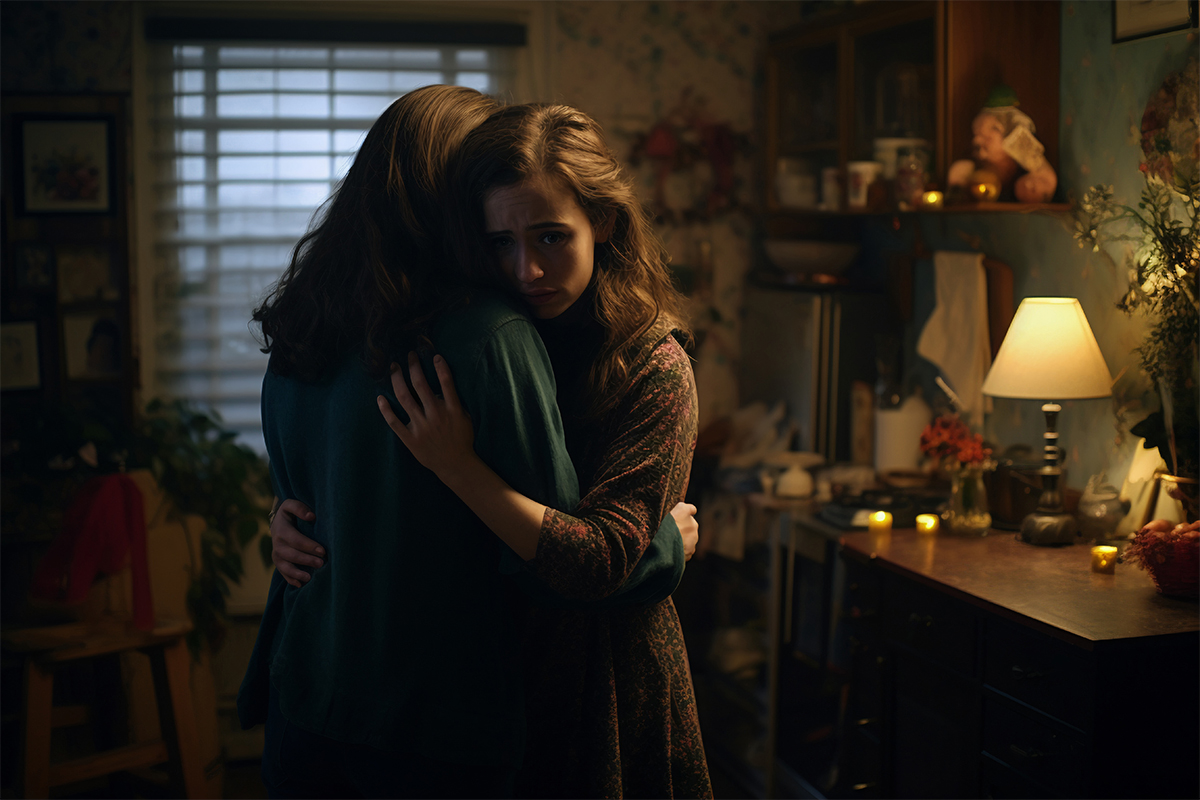
What we do know is this: somewhere in Nepal, there are homes that have been permanently altered. There are parents now learning how to live with an absence that cannot be filled, siblings staring at empty chairs, friends and lovers replaying final conversations they did not know would be the last. There are unfinished plans, unanswered calls and futures that have been abruptly cut short. Grief, in these homes, is not symbolic. It is daily, intimate and relentless.
And yet, as this grief continues, a different performance unfolds in public. Politicians move through streets, gallis, neighborhoods, social media and speeches speaking the word “martyr” with practiced ease. Photos of the fallen appear in speeches and posts and campaigns, transformed into tools for persuasion, into moments designed to evoke sympathy and trust.
And this is where the discomfort must begin.
Because these lives were not given so they could be reduced to political messaging. Their deaths are not stepping stones for electoral gain. To speak of them without accountability is to strip them, once again, of dignity.
If their memory is to be invoked, it must come with honesty. It must come with responsibility. And above all, it must come with a willingness to confront a difficult question:
What is the change being promised, and who will bear its cost?
For too many families, that cost has already been paid, completely and irreversibly. No speech can return what has been lost. No slogan or seat can fill the silence left behind. The least that can be done now is to ensure that these deaths are not used, but understood. Not displayed, but honoured through truth and action.
Anything less is not remembrance. It is exploitation.