
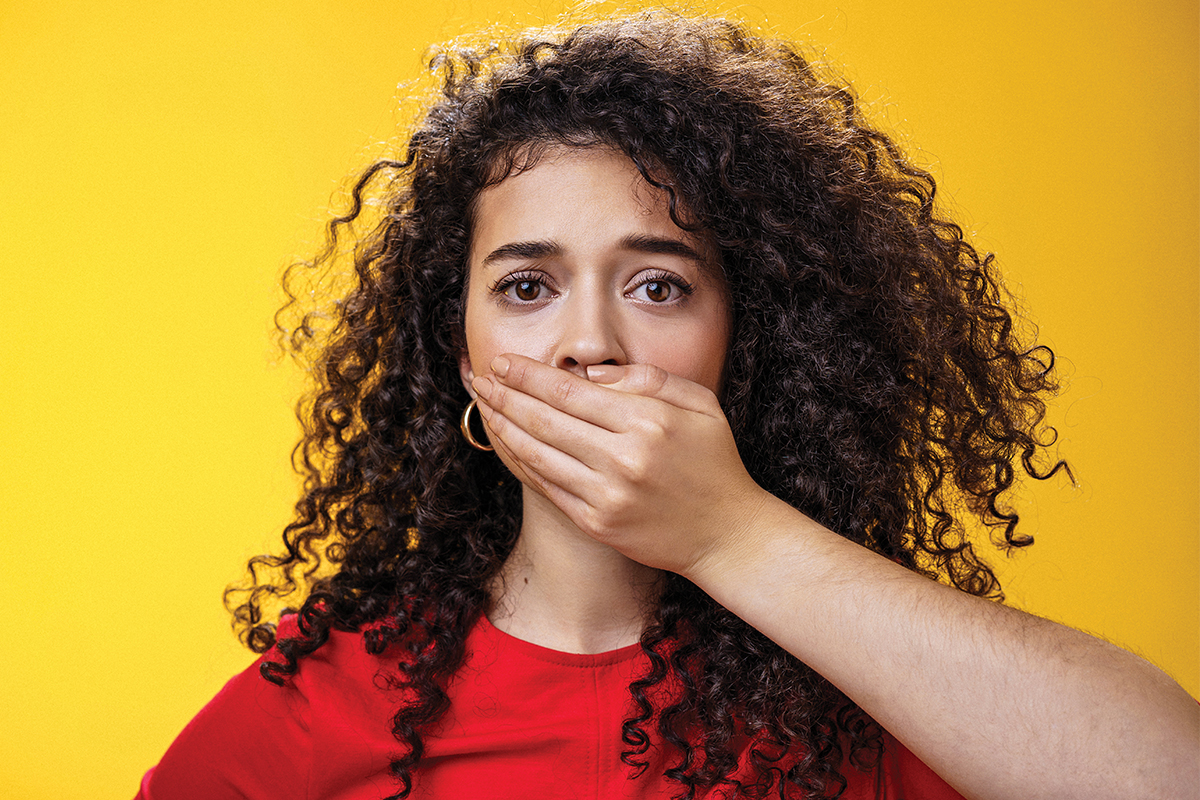
As Nepal moves closer to another election cycle, conversations about participation begin to surface, about voting, turnout and civic duty. Yet beneath these discussions lies a reality many women recognise immediately: while women participate, their voices are often missing from the conversation. Women stand in lines at polling stations. They carry voter cards in their purses. They show up. And yet, for many, participation does not always mean being heard.
When Representation Remains Limited
Despite women making up nearly half of the voting population, their presence among candidates remains limited.
Even when women step forward, they continue to be outnumbered in nominations and leadership positions.
This imbalance is not new. Past election cycles in Nepal have repeatedly shown that while legal provisions encourage inclusion, women’s political participation often remains symbolic rather than substantive. Many are nominated late or placed in less competitive positions, reducing both visibility and opportunity.
For young women observing from the outside, this sends a quiet but powerful message: participation is permitted, but leadership remains contested territory.
How Women Candidates Are Seen and Framed
The challenges do not end with candidacy. Women who enter politics are often portrayed differently in public discourse and media coverage.
While male candidates are assessed on experience, policy, or strategy, women candidates are frequently discussed in relation to appearance, tone, family roles, or emotional expression. Confidence may be labeled arrogance. Firm opinions may be framed as aggression. Personal lives become public material.
Global research on gender and political communication shows that such framing shapes public perception and credibility. Beyond outcomes, it also carries an emotional cost. To lead, women must be visible. To survive, they must remain acceptable. This double bind makes political participation emotionally demanding long before election day arrives.
Participation Without Voice
On the other side are the women who show up on election day, yet whose participation often happens without full autonomy or confidence.
Some vote according to family influence because disagreement feels risky. Others stay informed but hesitate to share opinions publicly. Many hold strong beliefs privately yet contain them to avoid being labeled argumentative, political, or “too outspoken.”
What is often mistaken for indifference is, in reality, participation shaped by years of learned restraint. When choices are guided more by fear of disagreement than by conviction, participation loses its empowering quality. The act is completed, but the agency behind it remains limited. The ballot is marked, but the voice stays contained.
This form of engagement creates emotional dissonance between what one thinks and what one feels permitted to express. Over time, this disconnect weakens self-trust and nurtures doubt about whether one’s perspectives truly matter.
How Silence Is Learned
Silence around politics is rarely accidental. It is learned gradually through everyday interactions rather than direct instruction. From a young age, girls absorb subtle messages about what is considered appropriate for them to speak about. Politics is framed as “too complicated,” “too aggressive,” or “not suitable for women”, through reaction, tone, and repetition.
In many households, political discussions are dominated by elders or male family members, while women listen quietly, serve tea, or remain in the background. Their silence is interpreted as respect. Over time, silence becomes associated with safety, from conflict, criticism, or misunderstanding.
This learning unfolds slowly through what is encouraged, corrected, or ignored. By adulthood, silence feels familiar. Staying quiet seems easier than risking tension at home or judgment in social spaces. Political conversations become something to observe rather than shape, something to hear rather than join. And once internalised, this silence often follows women into public life as well.
The Emotional Cost of Being Unheard
And for those women who finally decide to enter public or leadership spaces, pressure is rarely singular. Many carry layered expectations, representing their gender, managing scrutiny, protecting their families, and continuously proving legitimacy in spaces not designed with them in mind. The challenge is not only structural, but psychological: the constant need to justify one’s presence.
This pressure is felt even earlier by women whose voices are repeatedly sidelined. When opinions are withheld or overlooked, doubt quietly settles in. When perspectives are rarely sought, a message forms that their thoughts matter less.
Many women describe an internal conflict: wanting to speak, yet stopping themselves from learned caution. Silence becomes emotional protection. Yet what protects in the short term often burdens in the long run. Suppressed expression creates fatigue, tension, and disconnection.
When leadership spaces feel conditional, younger women struggle to imagine themselves there at all. Representation then becomes not only a political concern, but an emotional one shaping who feels entitled to dream, to speak, and to lead.
Reclaiming Voice as Emotional Wellbeing
At the same time, subtle shifts are unfolding. Younger women are asking questions their mothers were rarely allowed to ask. They are forming opinions, engaging online, and naming discomfort even when certainty feels fragile.
This does not always look like loud activism. Sometimes it looks like curiosity. Sometimes hesitation. Sometimes simply refusing to remain uninformed.
Having a voice is not about confrontation. It is about inner permission to think freely, to question, and to choose intentionally. From an emotional wellbeing perspective, agency matters deeply. When people feel even small control over their decisions, their sense of self strengthens. When voice is suppressed, emotional disconnection often follows.
Reclaiming voice can begin quietly: forming personal opinions, asking questions at home, speaking with trusted peers, and recognizing that disagreement does not equal disrespect. These are emotional practices as much as civic ones.
Moving Forward with Awareness
As elections approach, perhaps the question is not only how many women participate but how many feel heard, represented, and emotionally safe to engage.
Because democracy does not begin at the ballot alone. It begins much earlier; in kitchens, classrooms, friendships, and the inner belief that one’s thoughts are worth expressing.
When women move from silence to voice, participation shifts from obligation to agency. And that shift is quiet, internal, deeply personal, matters not only for the country, but for women’s emotional wellbeing.