AAYAM POUDEL
Ason has several queer-coded references in its Kamasutra art that most people overlook. I weave in food, art, hiking and interactions with the local queer community and travellers realise that Kathmandu’s queer history has always been there, just hidden in plain sight
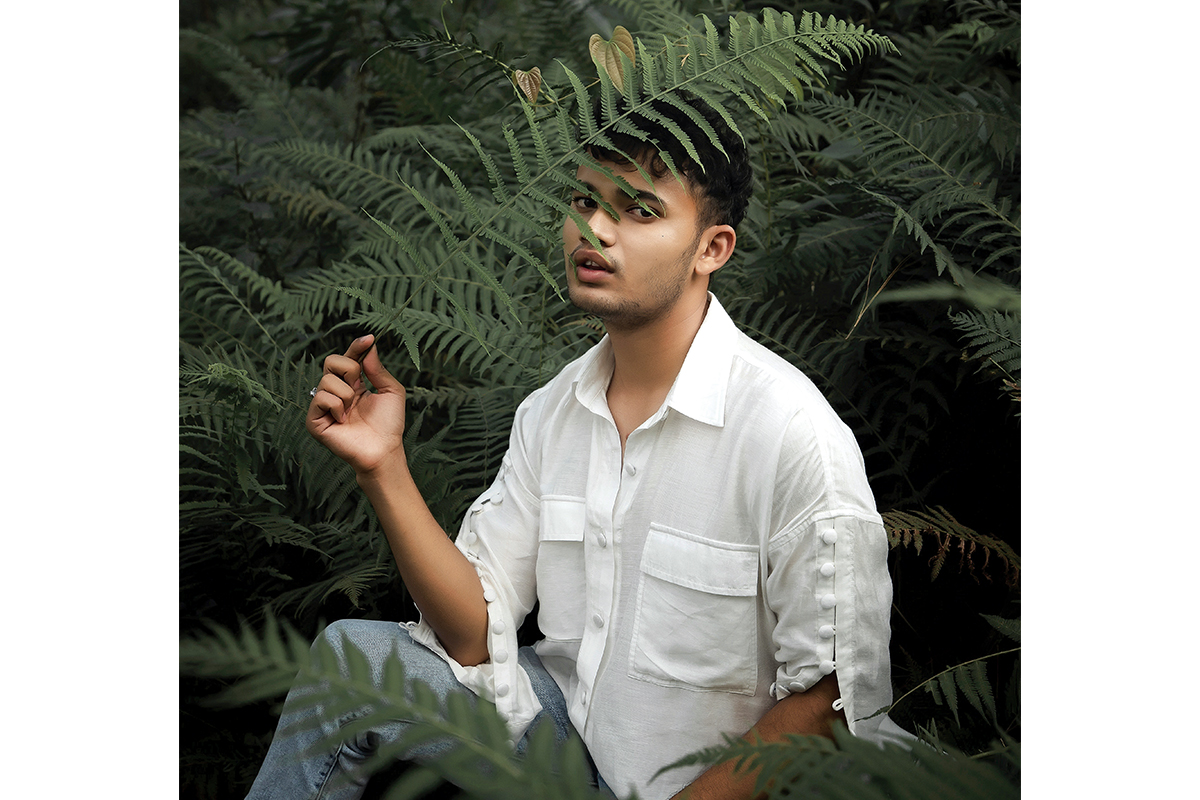
At 26, Aayam Poudel stands at the helm of Queermandu, one of Nepal’s pioneering gay-owned and gay-registered tour companies, reshaping how travellers experience Kathmandu and beyond. What began as a personal search for belonging has become a movement that blends storytelling, heritage, and queer visibility in a country still finding its footing with LGBTQ+ rights. With offerings like the playful Homo Momo cooking class, the unapologetic Gurkha Slays, and winter hikes, Queermandu isn’t just selling tours; it’s creating a cultural shift.
In this candid conversation with WOW, Aayam opens up about his Chitwan childhood, the challenges of building queer infrastructure in Nepal, his partnership with co-founder Prajeet Budhathoki, and his vision for a global queer future that rises from the heart of Kathmandu. Excerpts:
You grew up in Chitwan, a region known for its culture, biodiversity and community-rooted values. How did your early years there shape your worldview and, eventually, your understanding of identity and belonging?
Chitwan is a lovely place but my childhood there was marked by confusion. I didn’t feel a sense of belonging nor did I have the language or the courage to ask questions about my identity. I was always curious, always wanting to understand, to explore who I was. Those early years planted that hunger for self-discovery, even if I didn’t fully understand it at the time.
Before Queermandu, you worked as a tour guide in Nepal’s mainstream tourism industry. What did those early years teach you about the gaps and possibilities for queer representation in travel?
I worked as a tour guide for nearly three years with a mainstream travel company on very minimal pay. When Covid hit, the company had to shut down. Even back then, many of my guests were queer travellers and I could sense their need for safer, more personalised itineraries. I eventually started connecting with queer people through dating apps and ended up planning tours for them. That opened my eyes to a huge gap and an even bigger opportunity.
Queermandu is Nepal’s pioneering gay-owned tour company. What motivated you to formalise a queer-focused travel experience in a country that is still negotiating its relationship with LGBTQ+ rights?
Honestly, Queermandu was born out of necessity. There was and still is a complete lack of queer infrastructure. No pink tourism, no regular queer parties, and just one gay bar in Kathmandu. Managing queer logistics was incredibly challenging. Formalising the company felt like the only way to create a system that queer travellers could rely on.
You co-founded Queermandu with Prajeet Budhathoki. How did the partnership come about?
Prajeet and I are best friends. He’s currently based in the US and handles our social media and marketing presence. I am on the ground doing field work which is what I genuinely love. We share the same vision, and our strengths balance each other perfectly.
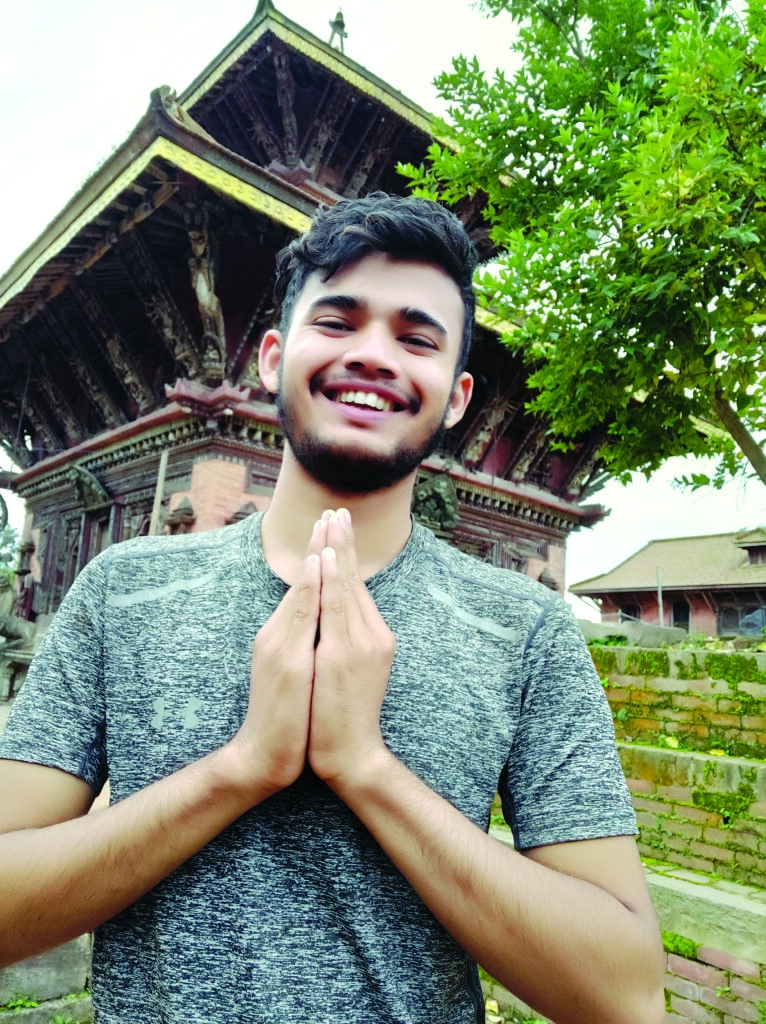
Your tours range from the ‘Homo Momo’ cooking experience to ‘Gurkha Slays’ and winter treks. What do these offerings reveal about the intersection of culture, identity and tourism in Nepal?
Our tours offer a fresh perspective on the city and its stories. We work closely with local experts who guide us with their knowledge whether it’s culture, cuisine, history or queer narratives. Each experience reflects how deeply culture and identity intersect in Nepal.
Kathmandu through the queer eye sounds like the city’s glow-up moment. What’s one thing travellers only understand about Kathmandu after seeing it through a queer lens?
The storytelling changes completely. For example, Ason has several queer-coded references in its Kamasutra art that most people overlook. I weave in food, art, hiking and interactions with the local queer community and travellers realise that Kathmandu’s queer history has always been there, just hidden in plain sight.
Founding a queer-led business in Nepal’s tourism industry carries both logistical and political challenges. What systemic barriers have you and Prajeet had to navigate?
Opening a company in Nepal is a long, tedious process. I spent almost 5–6 lakhs just on registration. Tourism itself is tough because the infrastructure is minimal, and there are very few licensed local professionals in the sector. The Nepal Tourism Board knows queer travellers visit Nepal in large numbers but they haven’t invested in the infrastructure to support them.
How do you ensure that your tours aren’t just inclusive but also genuinely safe and affirming for queer travellers exploring Nepal beyond Kathmandu?
Most of our tours are centred around Kathmandu which is comparatively safe. Rural areas can be trickier, so we avoid routes that could put travellers at risk. So far, I have successfully completed 200 tours and safety has always been the priority.
What myths about queer life in Nepal are you most excited to break for international visitors?
That Nepal isn’t queer-friendly. In reality, it is a beautiful destination for queer honeymoons and romantic getaways. Visitors are often surprised by how warm and accepting people can be.
Queermandu has given visibility not just to queer travellers, but to queer Nepalis in tourism. What responsibilities come with being one of the first to occupy that space?
There’s a lot of responsibility. We have to remain socially aware, politically sensitive, and mindful of the divides that exist within Nepal’s queer community. At Queermandu, we try to bridge those gaps and spread happiness while doing it.
What’s one underrated queer history or cultural moment in Nepal that you wish more people knew about?
Nepal’s 2023 milestone when same-sex marriage was legally recognised. There are already a few certified same-sex marriages, and Prajeet himself is one of those lucky ones. It’s a moment that deserves global attention.
If you could design the ultimate dream tour for the global queer community – budget, logistics, and altitude no bar – what would it look like?
It would be a 10-day adventure covering Chitwan, Pokhara, Bhaktapur and Ghandruk, all by road. The budget would range between USD 600 to 1000, depending on the accommodation. It would be equal parts culture, nature, and community – the perfect Nepal experience.
Text: Ankita Jain