No matter how much concealer you pat on or how many filters you swipe through, there’s no hiding tired, puffy eyes. They are the first thing people notice and the hardest thing to disguise. Whether it’s from late-night scrolling, too many cocktails, allergies or just plain genetics, under-eye puffiness is one of the most common beauty concerns, and one that isn’t always as simple as a cold spoon fix.
So, what actually causes those under-eye bags and how can you keep them from stealing your glow? Experts say it’s a mix of lifestyle, skin health and simple habits that make all the difference.
The skin around your eyes is the thinnest on your body, which means it’s also the most delicate. Because of this, it’s prone to showing changes in circulation, water retention, and fatigue first. When you wake up with puffy eyes, it’s often due to fluid pooling under the eyes overnight, especially if you have slept face-down or consumed too much salt or alcohol the night before.
Dermatologists explain that as we age, the muscles and tissue structure supporting the eyelids weaken, allowing fat that normally helps cushion the eyes to move into the lower lids. This can create that perpetually “tired” look, even when you have had a full night’s rest.
The good news? You don’t need an elaborate skincare routine or expensive gadgets to manage it. What your eyes really need is a little care, consistency and conscious living.
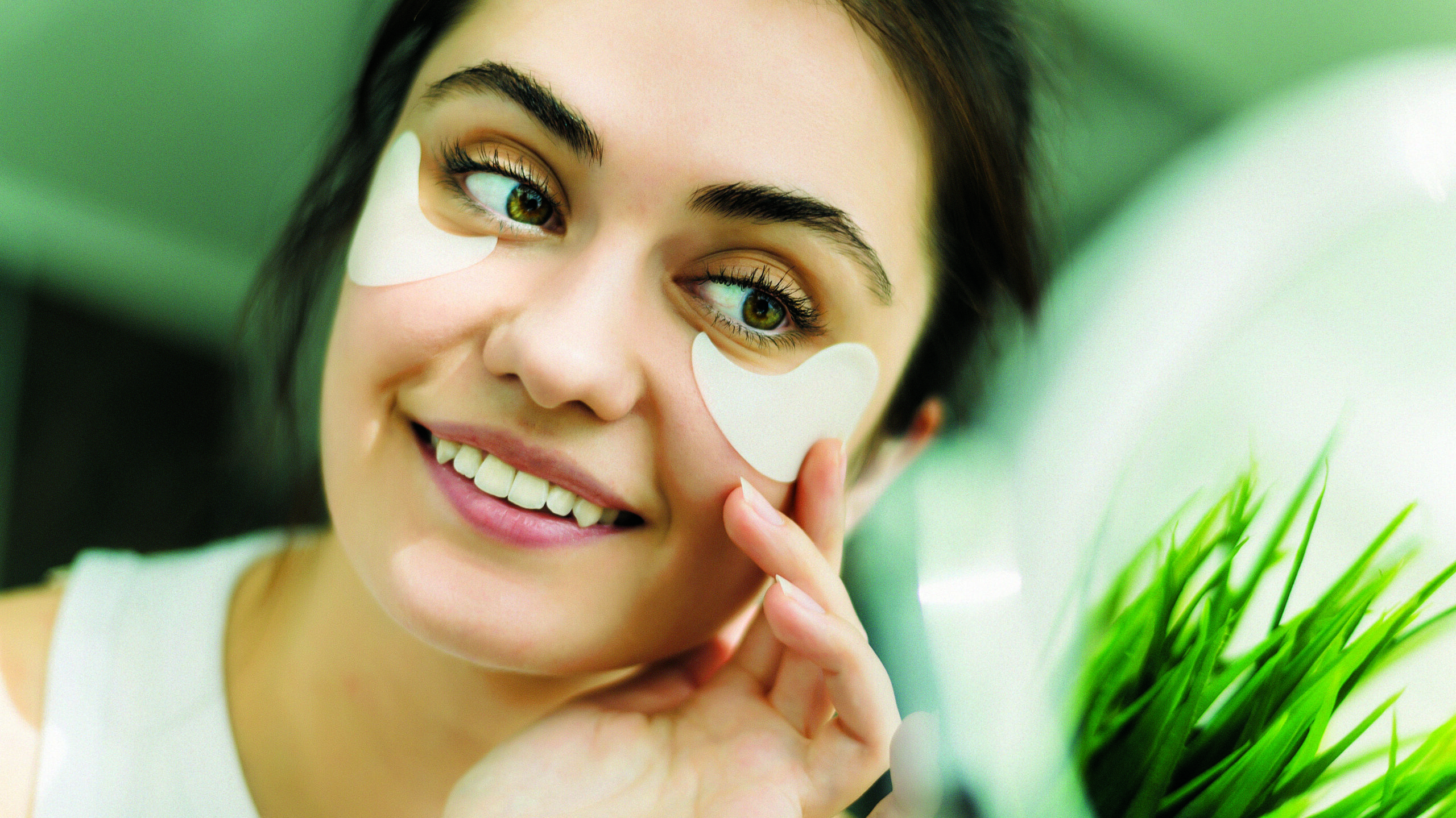
Beauty experts swear by chilled spoons, jade rollers and under-eye masks straight out of the fridge. And the reason is that cold constricts blood vessels and reduces swelling which helps your eyes look more awake. Instead of reaching for random DIY hacks, a simple morning ritual can do wonders: keep a clean face cloth in the fridge and press it gently under your eyes for a few minutes. It’s an instant de-puffing trick that fits even the busiest routine.
Experts also advise adjusting how you sleep. Elevating your head slightly with an extra pillow can prevent fluids from settling around your eyes overnight.
Ironically, dehydration is one of the biggest culprits behind puffiness. When your body senses a lack of water, it tends to hold onto every drop it can leading to swelling and bloating, even under the eyes.
Drinking enough water throughout the day keeps your lymphatic system working efficiently and your skin looking supple. Pair that with a hydrating eye cream or gel containing humectants like glycerine or hyaluronic acid, and you’ll help your under-eye skin retain moisture without feeling greasy.
Experts say to be gentle while applying any product around the eyes. Use your ring finger – it naturally applies less pressure – and tap, don’t rub. This prevents tugging on the delicate skin, which can lead to fine lines and further irritation.
Puffy eyes are often a reflection of what’s happening in the rest of your body. Lack of sleep, late-night bingeing, excessive screen time, and even stress can all show up on your face. A consistent sleep schedule gives your body the time to repair and rebalance fluid circulation. Reducing your salt intake can also make a noticeable difference. Experts note that high-sodium diets cause water retention, which is why you might wake up looking a little puffier after a pizza night.
Screen fatigue is another modern-day trigger. Hours spent staring at digital screens can strain your eye muscles and slow lymphatic drainage. Following the 20-20-20 rule – every 20 minutes, look at something 20 feet away for 20 seconds – can relieve strain and improve circulation.
A few natural remedies can also work like cold green tea bags which are rich in caffeine and antioxidants that help constrict blood vessels and calm inflammation. Cucumber slices also remain a beauty classic for a reason: they are cooling, hydrating, and refreshing after a long day.
Massage is another underrated fix. Gentle tapping or circular motions with your fingertips around the orbital bone can stimulate lymphatic drainage and boost circulation. Doing this daily for a few minutes, especially after applying your eye product, can make a visible difference over time.
If your puffiness persists despite lifestyle changes, it might be due to allergies, sinus issues or hereditary factors. In such cases, dermatologists suggest consulting a professional rather than experimenting endlessly with creams or home treatments. Targeted therapies, dietary advice or medical-grade treatments can help identify and address the root cause.